Campredó prepares biogas plant with 93 GW/h of renewable gas
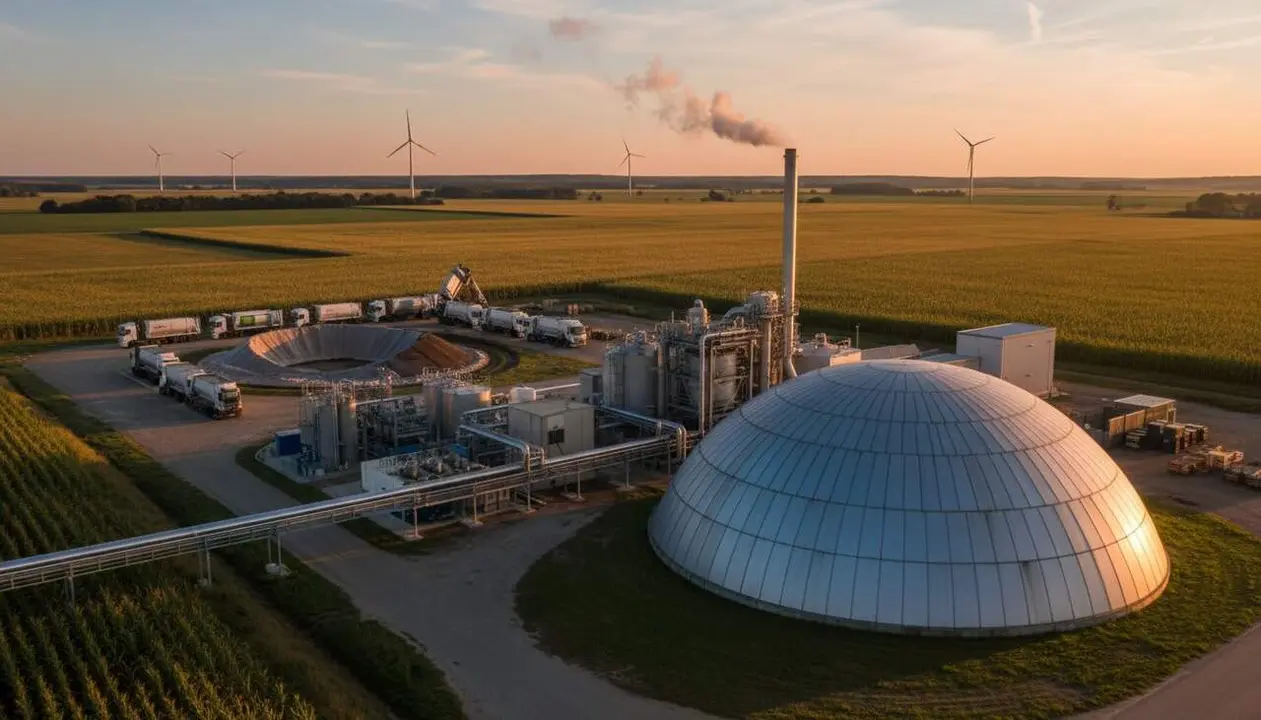

Campredó will host a biogas plant capable of generating 93 GW/h annually of renewable gas. This project will not only produce clean energy but will also reuse 127,000 tons of organic waste to inject bioCO2 into the gas network.
The BIO SALAS SL plant installed in Tortosa represents a clear commitment to the local energy transition with a new 300-meter infrastructure and a budget close to 308,000 euros.
Project details and its local impact
What does this plant mean for Campredó and the region?
Producing renewable gas on an industrial scale here means reducing dependence on fossil fuels and managing agricultural and livestock waste sustainably. For residents, it means a direct impact on environmental management and possibly an improvement in the local economy due to new job opportunities.
How will the gas be injected into the network and what is the cost?
A 300-meter infrastructure will connect the plant to the RAA-08 network with an investment of 307,823.02 euros. This connection is key to ensuring that the biomethane and bioCO2 generated reach the end users.
Processes and production capacity of the BIO SALAS SL plant
What raw materials will the project use?
The center will process 127,000 tons of slurry, poultry manure, pruning residues, and other organic waste. This mixture is essential for anaerobic fermentation that generates biomethane and bioCO2, closing local recycling cycles.
What is the expected energy capacity?
With a forecast of 93 GW/h annually, the plant can supply renewable energy equivalent to thousands of homes. This volume is a remarkable milestone for a facility of this size.
Environmental impact and future of the project
How does this project affect sustainability in the area?
It contributes to the reduction of greenhouse gases by reusing waste and substituting fossil fuels. This makes the project a clear example of circular economy applied to the territory.
What steps follow after public approval?
Once the public information phase is closed, connection works and start-up will be carried out. The plant is expected to begin operation in the coming months, marking a tangible energy change.
| Aspect | Detail |
|---|---|
| Area | 85,000 m² |
| Annual production | 93 GW/h biomethane and bioCO2 |
| Waste treated | 127,000 tons (slurry, poultry manure, pruning) |
| Connection infrastructure | 300 meters |
| Budget | €307,823.02 |
This BIO SALAS SL project is a tangible example of how the region can lead renewable energy production and manage waste in a practical and profitable way.
The plant not only provides energy but also turns waste that was once a problem into an opportunity. This means that, in addition to the environmental impact, the initiative can generate employment and economic activity in the area.
Source of the article: Editorial | ACN