
119 new ambulances in Camp de Tarragona: healthcare coverage
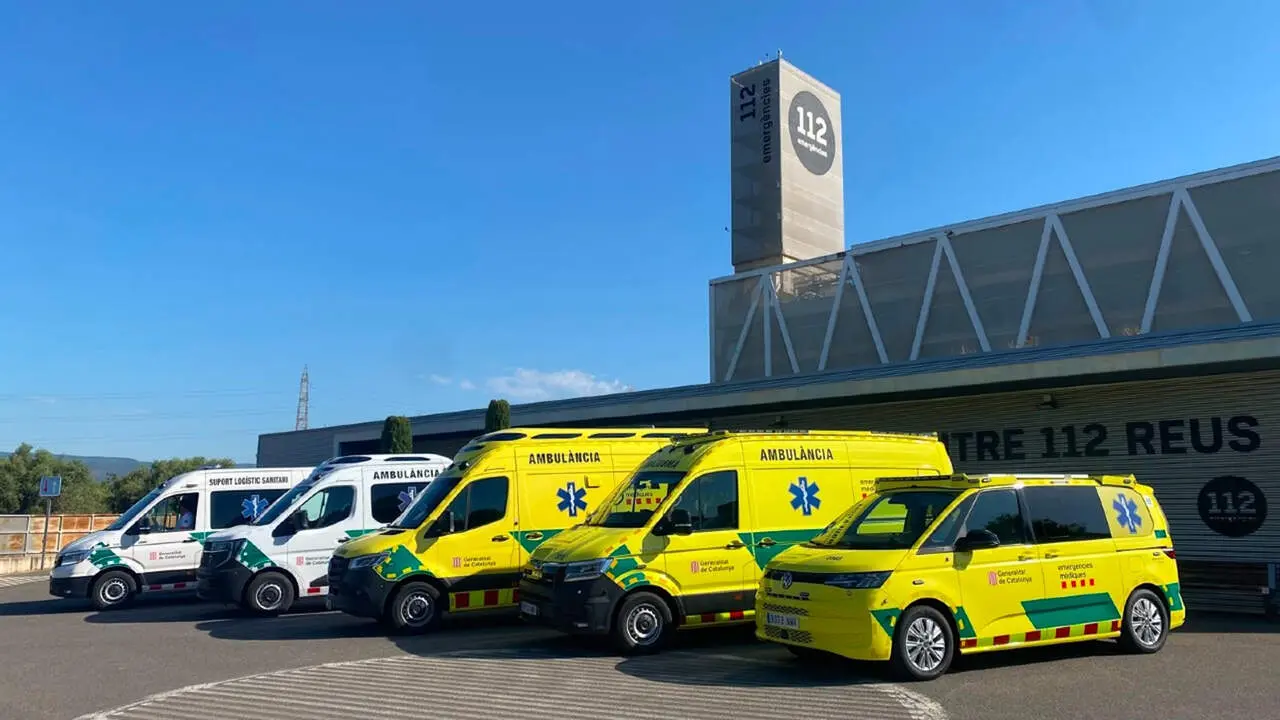

The Medical Emergency System (SEM) expands the fleet with 119 new ambulances in the Camp de Tarragona. This reinforcement represents a 12% increase in vehicles and more coverage hours, improving the healthcare response in the region.
The deployment starts on the night of June 9, 2026, and translates into an investment of 155.1 million euros over five years, with new types of vehicles and more healthcare resources.
What does this ambulance increase represent for the Camp de Tarragona?
Why does this change matter to residents?
A 12% increase in ambulances means reducing waiting times and improving the capacity to attend emergencies. For a territory with diverse geography like ours, this can make the difference between a life saved and a lost opportunity.
How are they distributed and what novelties does the new mobile fleet include?
The new model incorporates different types of vehicles adapted to specific situations, from conventional ambulances to specialized units. This allows a more effective response depending on the healthcare need and location within the region.
What changes does this new healthcare transport model imply?
Which service hours are extended and what is affected?
The reinforcement is not only seen in the number of ambulances but also in the increase of operating hours. This means more response availability during critical times of the day, a key aspect to improve urgent care.
What investment is allocated and how is it reflected in the territory?
With more than 155 million euros allocated over five years, the project not only involves new vehicles but also training, maintenance, and infrastructure improvements. All this translates into a real boost to local public healthcare.
What questions do citizens have about this deployment?
How will this affect emergency waiting times?
With more ambulances and more service hours, waiting times should decrease significantly, especially in hard-to-access areas or those with high demand, improving the area's healthcare coverage.
What about coordination between emergency services?
The new model considers better integration between different services and teams, which favors coordination in emergency situations, ensuring more agile and effective care.
| Aspect | Before | Now |
|---|---|---|
| Number of ambulances | 106 | 119 |
| Percentage increase | 12% | |
| Planned investment | 155.1 million euros (5 years) | |
| Types of vehicles | Limited | Variety and specialization |
| Service hours | Less | Increased |
The 119 new ambulances do not just add numbers but change how public healthcare responds to the reality of the Camp de Tarragona. For any resident, this means that in case of emergency, the likelihood of rapid and effective care is now higher.
If local healthcare management has shown anything, it is that you cannot rely only on the number of vehicles but on how they are organized and adapted to the territory’s real needs. This deployment is, therefore, a step forward but not the end of the road.
Source of the article: Editorial staff | ACN