The surprising message you will see when blocking websites in Spain

Imagine trying to access a website and, instead of seeing what you expected, you find a striking message with a black background and a red warning triangle. This is already common in Spain, where website blocking has become routine for many users without a judge’s authorization.
Many have not realized that these blocked pages are not always suspicious, but that there is a protocol that determines when and how access is restricted, related to piracy and copyright protection. Do you want to know what lies behind these warnings and how this affects your browsing?
The protocol that imposes the new blocking message
Origin and signatories of the Protocol
The message that many Spanish users already see is no coincidence. It is based on a 2021 agreement signed by the Creators Coalition, DigitalES, and operators such as Movistar, Vodafone, and MásMóvil. This Protocol seeks to strengthen the protection of intellectual property rights in the country.
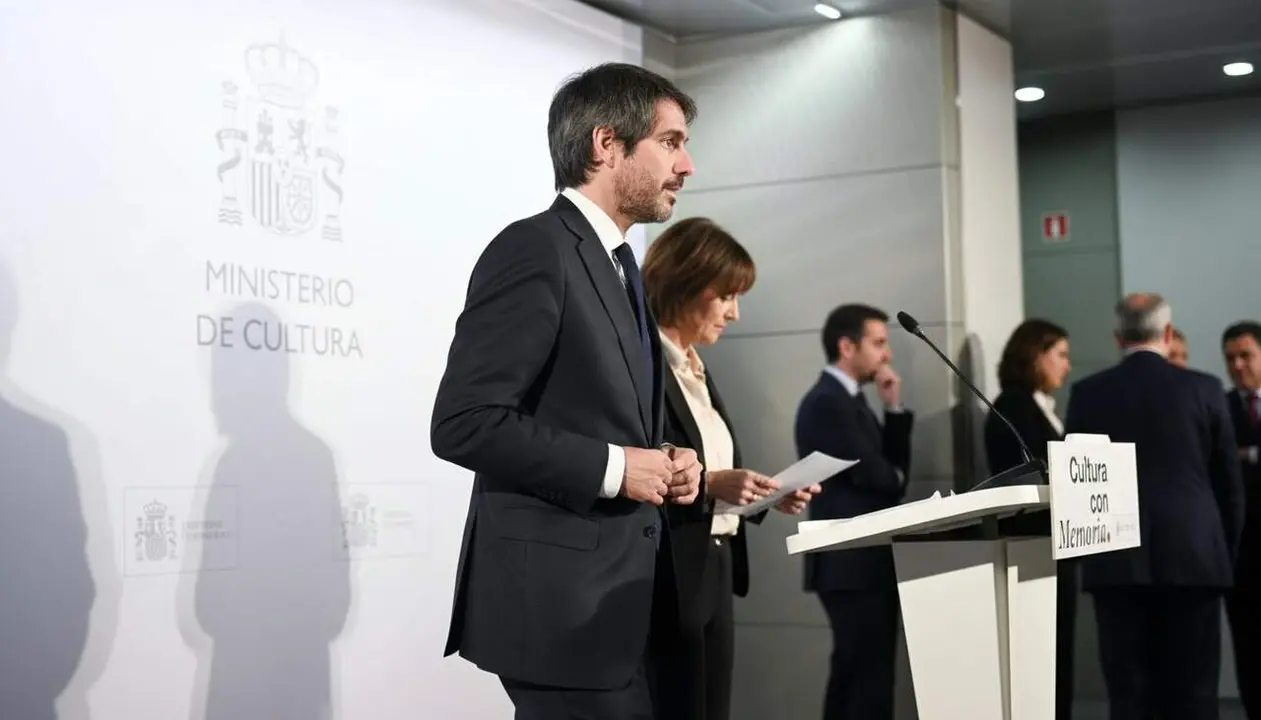
But it’s not all so recent: the Ministry of Culture and Sport promoted this initiative as part of its strategy against digital piracy, with the Second Section of the Intellectual Property Commission acting as a key body.
What exactly does the blocking message say?
When a website is blocked, the message states that "the website you were about to access contains illegal content protected by intellectual property rights." This notice appears with a black background and a red triangle that immediately alerts the visitor.
In addition, it explains that access is restricted to eradicate illegal activities and invites users to consult the official list of blocked websites that the Ministry updates periodically.
How the Second Section works and blocking without a judge
The power of the Second Section
The Second Section can order blocks directly after receiving a complaint from a copyright holder, without the need for a judge to first assess the impact on fundamental rights. This has caused controversies but also a notable increase in blocks.
This agility has been key to LaLiga’s legal victory, which can now order blocks by IP address, a more forceful measure against piracy.
The practical effects of these blocks
With this system, operators like Movistar or Vodafone implement blocking at the network level, displaying the warning message when users try to enter prohibited websites. This covers very well-known pages like The Pirate Bay but also sites that, although not specifically pirate, may facilitate downloading protected content, such as certain portals to download YouTube videos.
But, really, whenever you see the message, are you accessing illegal content? Not at all. Many times these are innocent websites affected by too broad a criterion or restrictive interpretations.
The current situation and the repercussions for users
The official list and its updates
The Ministry of Culture maintains a public list of blocked websites that is reviewed and updated often, especially during 2026. This transparency helps to understand which websites are affected and why, but it also exposes the magnitude of Internet control.
Moreover, it should be noted that the current blocking message is different from the one the Government implemented in 2025, and it is still unclear whether they will coexist or if the new one will completely replace it.
How does this affect freedom of access to the Internet?
Many users feel they lose fundamental rights such as freedom of expression or information when a judge is not required to block websites. Furthermore, the warning message can create the impression that any attempt to access these websites is dangerous or illegal, although this is not always true.
Therefore, the issue is not only technical, but also social and political: how can we ensure a balance between the protection of copyright and Internet freedom?
| Aspect | Detail |
|---|---|
| Protocol Signatories | Creators Coalition, DigitalES, Movistar, Vodafone, MásMóvil |
| Blocking Message | "Illegal content protected by intellectual property rights" with black background and red triangle |
| Body ordering blocks | Second Section of the Intellectual Property Commission (Spanish Government) |
| Notable cases | The Pirate Bay, websites for downloading YouTube videos |
| Impact on the user | Access limitation to websites, feeling of warning, and possible impact on fundamental rights |
The reality is that this new message is just one more piece of a system that aims to combat piracy but also raises doubts and various reactions about digital freedom. If you ever see this warning, you already know that behind it there is much more than a simple block.
In any case, it will continue to be interesting to see how this policy evolves and whether a fair balance between protection and freedom is achieved. Meanwhile, the user must stay alert and understand what this message that is already part of their online experience implies.