One lane closure on the AP-7 in Ametlla de Mar due to a broken-down truck: slowdowns and stops heading toward Tarragona
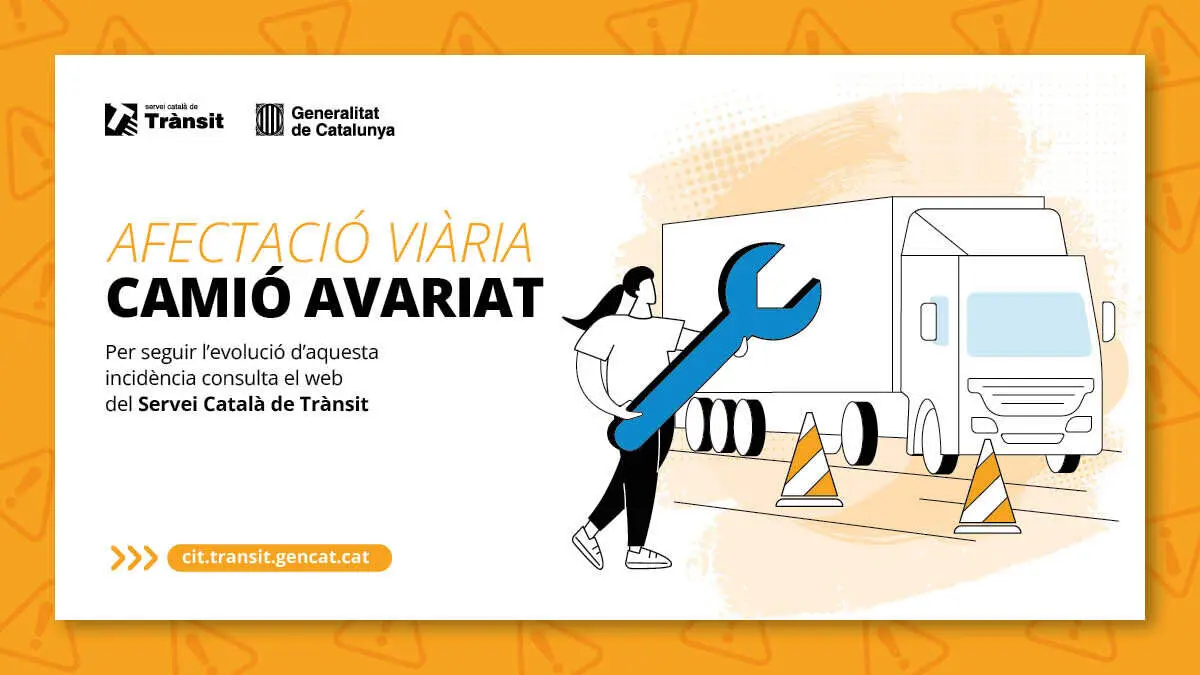

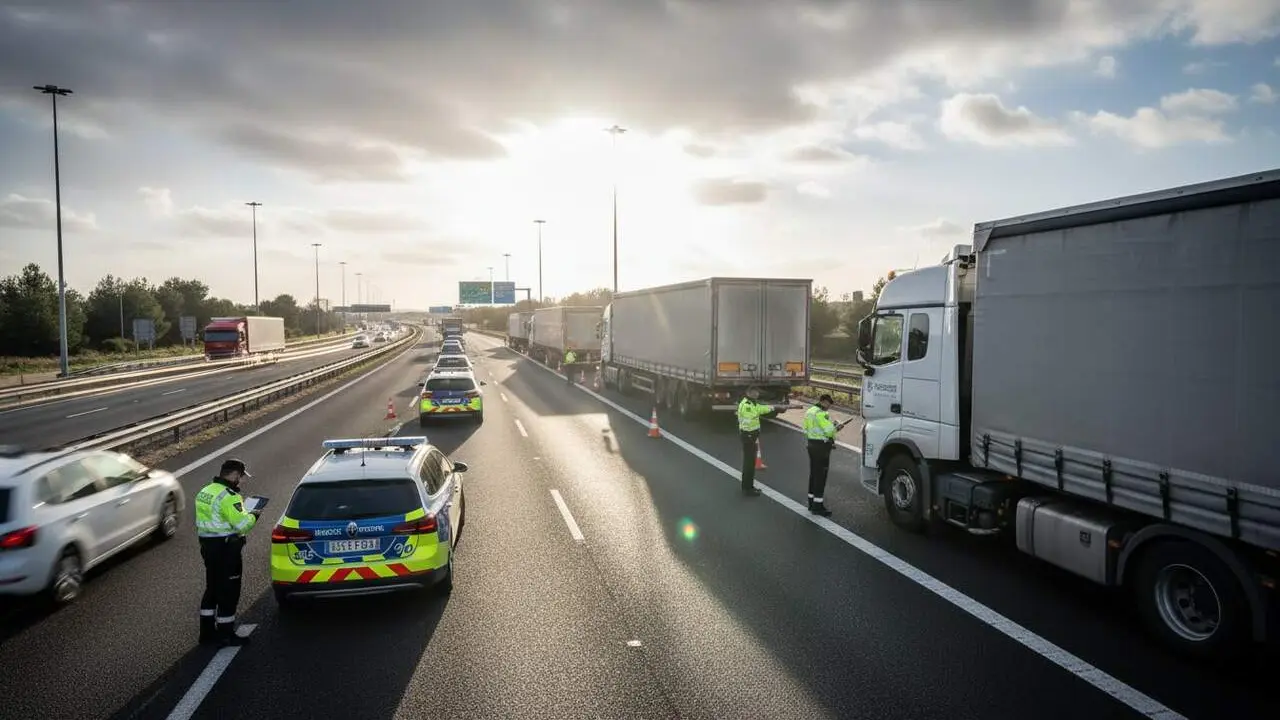
A broken-down truck has caused the closure of one lane on the AP-7 at l'Ametlla de Mar heading towards Tarragona. This incident is causing significant slowdowns and stops in northbound traffic.
The situation directly affects drivers traveling on this road, especially in the Baix Ebre region, where this stretch is one of the main connections to access Tarragona and the rest of the Costa Daurada.
Local impact and causes of the closure
Why does this incident at l'Ametlla de Mar matter?
The closure of one lane on the AP-7 at l'Ametlla de Mar directly affects residents and regular drivers, who face delays that can significantly extend their travel time. Moreover, this point is key for mobility between coastal municipalities and the city of Tarragona.
Specifically, the AP-7 is the main highway connecting the north and south of Catalonia along the coast, and l'Ametlla de Mar is one of the points where traffic intensity can be highest, especially on weekdays and during holiday periods. This means that any incident, no matter how small it seems, results in a chain reaction that affects traffic flow over a very wide area.
What is the cause of the closure?
The cause is a truck that has broken down and is occupying a lane heading towards Tarragona. This breakdown limits the circulation space and forces a reduction in speed, causing stops and slowdowns on the road. Although the exact cause of the breakdown has not been specified, it is common for these types of incidents to arise from mechanical problems or some sudden failure that prevents the vehicle's continuity.
Traffic authorities have informed about the situation through their official Twitter profile, indicating the existence of the closure and the delays. This immediate communication is essential to warn drivers and prevent more vehicles from accumulating in this area.
Alternatives and recommendations for drivers
How does reducing one lane affect traffic?
Reducing one lane on a busy highway like the AP-7 causes congestion that can extend for kilometers. Cars and trucks must decrease speed and queue, with the consequent impact on travel time. This bottleneck effect is usual when a fast road loses one lane, especially during peak hours, since traffic capacity is drastically reduced.
Additionally, this situation can increase the risk of minor accidents due to sudden stops and vehicle concentration, making the management of the incident a priority for emergency and maintenance services.
What options do drivers have?
It is recommended to avoid the area if possible and look for alternative routes that bypass the AP-7 at the height of l'Ametlla de Mar. It is also advisable to pay attention to information from the Catalan Traffic Service to monitor the incident's development and possible detours.
For light vehicle drivers, a possible alternative is to use the N-340 road, which runs parallel to the AP-7, although it should be considered that this route is slower and may be affected by increased traffic resulting from detours.
Drivers can also plan their trips avoiding peak hours or consult traffic apps that provide real-time information on road conditions.
Response and management of the incident
When is resolution expected?
So far, no exact time has been communicated to fix the truck breakdown, but emergency and maintenance services are working to restore normality as soon as possible.
It is common in these situations to prioritize removing the affected vehicle with a tow truck and cleaning the road to ensure user safety and permit the normalization of traffic.
Which services manage traffic on the AP-7?
The Catalan Traffic Service constantly monitors this incident and informs drivers through its official networks and channels to minimize impact on mobility. Immediate and transparent communication allows adapting travel plans and prevents the effect of delays from extending beyond the incident point.
The Mossos d'Esquadra may also intervene to regulate traffic if required, especially to avoid secondary accidents or to facilitate emergency services.
These types of incidents remind us that, although the AP-7 is a fast road, it is not exempt from unforeseen events that can complicate drivers' lives.
Article source: Catalan Traffic Service