The Popular Procession of Tarragona: 7 centuries of tradition and celebration at Santa Tecla 2026
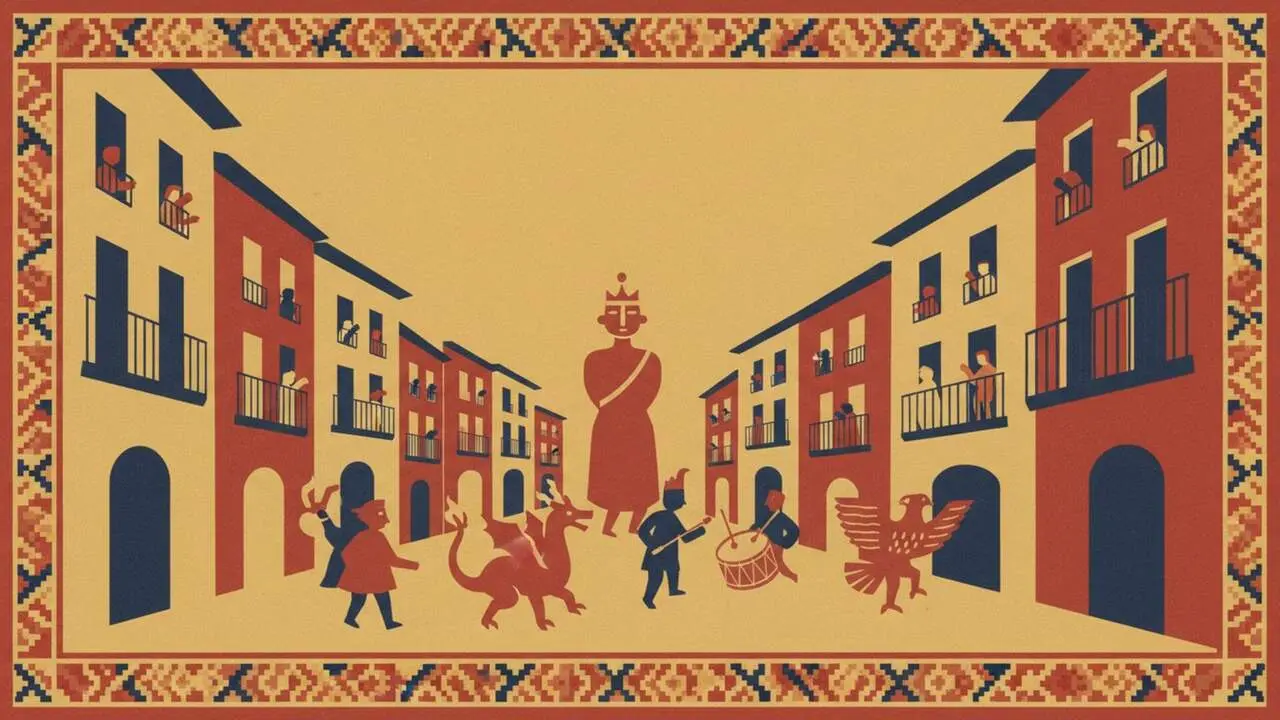

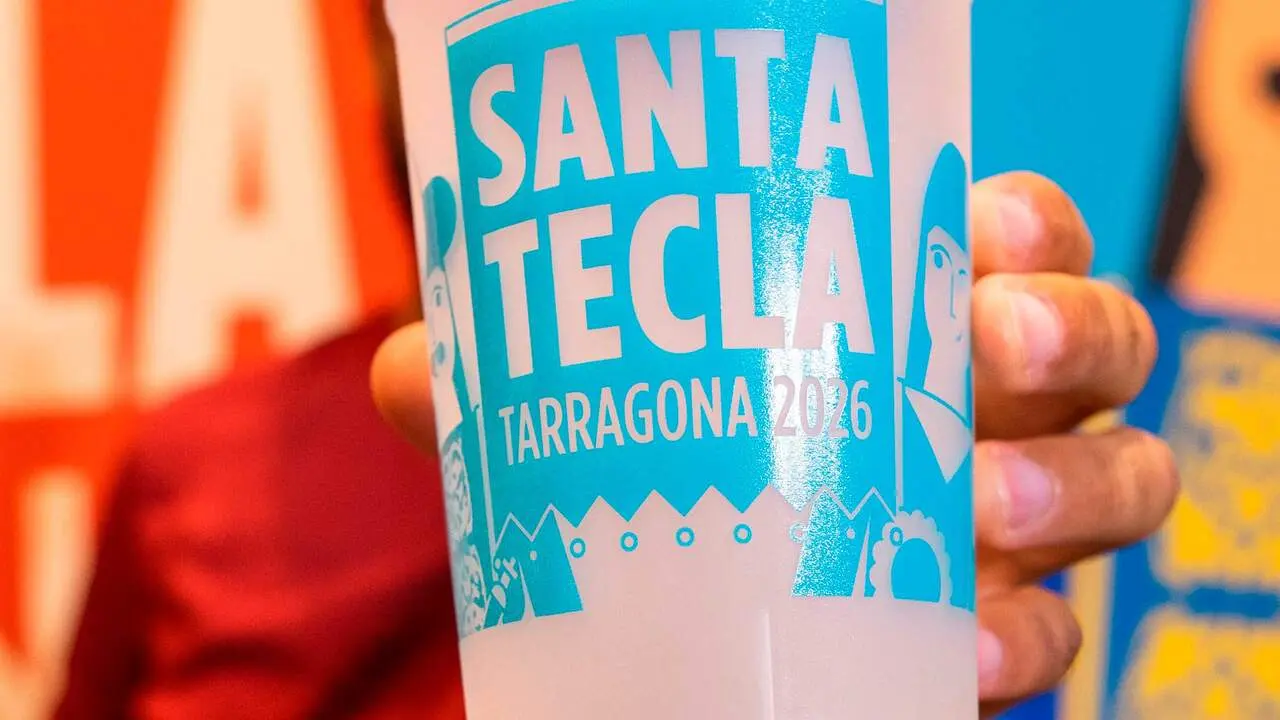
The Seguici Popular of Tarragona is the backbone of the Festes de Santa Tecla, with over seven centuries starring in the city. This unique tradition combines figures, dances, and beasts that have been maintained and recovered since the 14th century, becoming an essential element to experience the festival like a true Tarragonan.
If you have ever wondered what makes this procession so special and who takes part in it, here you will find all the keys to understand it and truly enjoy it. Let’s prepare to journey through the history, characters, and curiosities that make Santa Tecla an unforgettable festival.
The Seguici Popular of Tarragona: history and local relevance
Why is it key to know the Seguici Popular in Tarragona?
Understanding the Seguici Popular is essential to connect with the essence of Santa Tecla, the city’s major festival. This tradition transmits collective identity and Tarragona’s popular culture, strengthening the sense of belonging to the territory and keeping medieval roots alive.
Origin and evolution over seven centuries
The Seguici Popular dates back to the 14th century, when Archbishop Pere Clasquerí established its ritual scheme in 1370 for the days of September 22 and 23. Despite changes over the years, its basic structure has been maintained, with figures added or recovered until it became one of the largest processions in the Catalan Countries.
The protagonists of the Seguici: who takes part?
Which characters and figures make up the Seguici Popular?
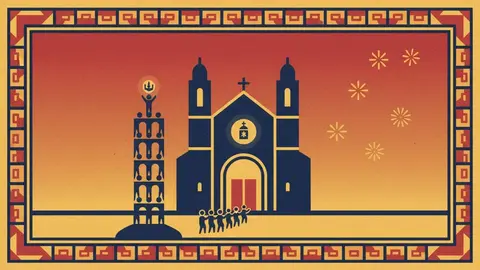
The Seguici is made up of a fascinating combination of giants, dwarfs, beasts, and spoken dances that create a lively and varied spectacle. Each element has its own history, function, and symbolism within the festival.
Details of the main elements of the Seguici
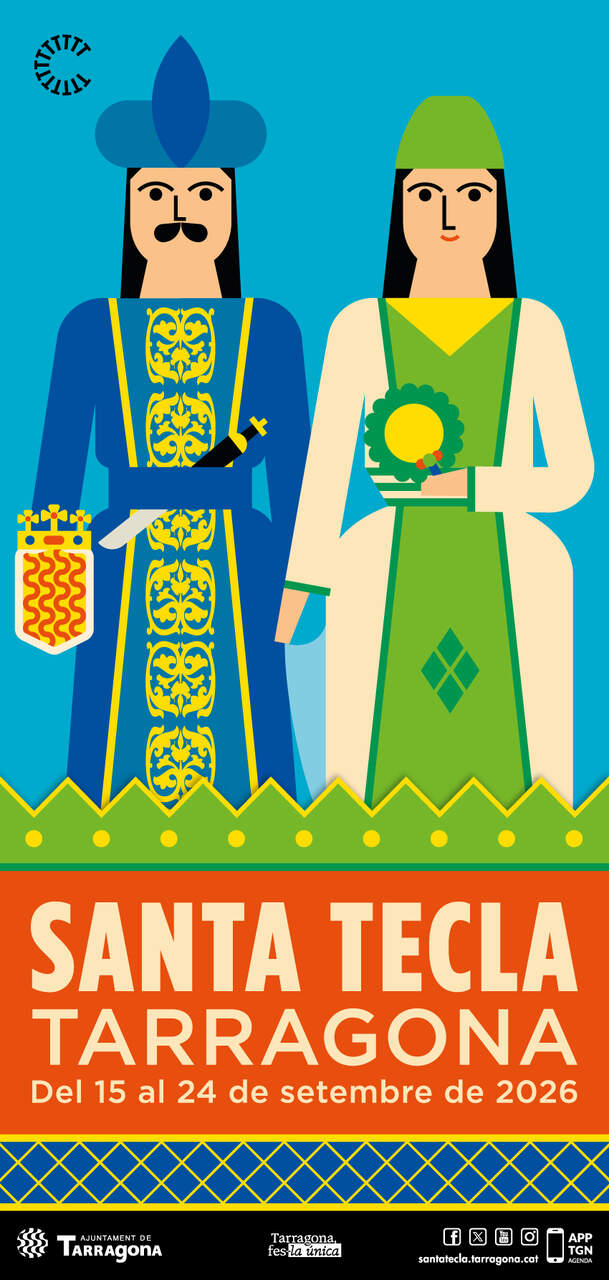
- The City Giants: three pairs including the Moorish Giants (175 years in 2026), Old Giants, and Little Black Giants, carried by historic families skilled in dancing.
- The Old Dwarfs: 13 dwarfs, led by the Captain Dwarf, known for greeting by shaking hands and much loved by children.
- The Eagle: solemn symbol of the city, documented since 1531, recovered in 1986 after a period of absence.
- The Gryphon: creature with the body of a lion and eagle wings that breathes fire, incorporated into the procession in 2014.
- The Devils and fire beasts: Dance of Devils, Dragon, Bull, Viper, and others that close the festival with the Correfoc.
- The spoken dances: historical and theatrical performances dating from the 15th to 19th centuries, some recovered, others lost.
The vitality of the Seguici: recovery and future
How has the Seguici Popular been recovered in Tarragona?
The procession lives thanks to the work of groups and entities that have worked to recover and preserve disappeared figures and dances, with a municipal protocol since 1991 that guarantees the authenticity and continuity of the tradition.
What are the challenges and perspectives for Santa Tecla?
The main challenge is to grow the Seguici without losing its medieval essence, maintaining its appeal to new generations and visitors. This ensures that Tarragona preserves one of the richest and most emblematic popular festivals in Catalonia.
| Element | Year of origin | Outstanding characteristic |
|---|---|---|
| Moorish Giants | 1851 | 175 years in 2026, carried by historic families |
| Old Dwarfs | 1865 | 13 dwarfs, greetings to the public |
| Eagle | 1531 (recovered 1986) | Solemn symbol of the city |
| Gryphon | 14th-century iconography, incorporated 2014 | Fire beast with 13 launch points |
This journey through the Seguici Popular of Tarragona allows for a better understanding of the Santa Tecla festival and connection with its values and traditions. To delve even deeper, do not hesitate to consult the complete Santa Tecla 2026 guide and discover the official poster starring the Moorish Giants, as well as the spectacular Correfoc.
The life and spirit of the Seguici Popular reflect the identity of Tarragona, the Roman city that fills with festival, culture, and living history every September. Enjoying it is not only watching a show, but feeling the festival from within.