Cookies will forever change their nutritional quality in 2026: what happens?
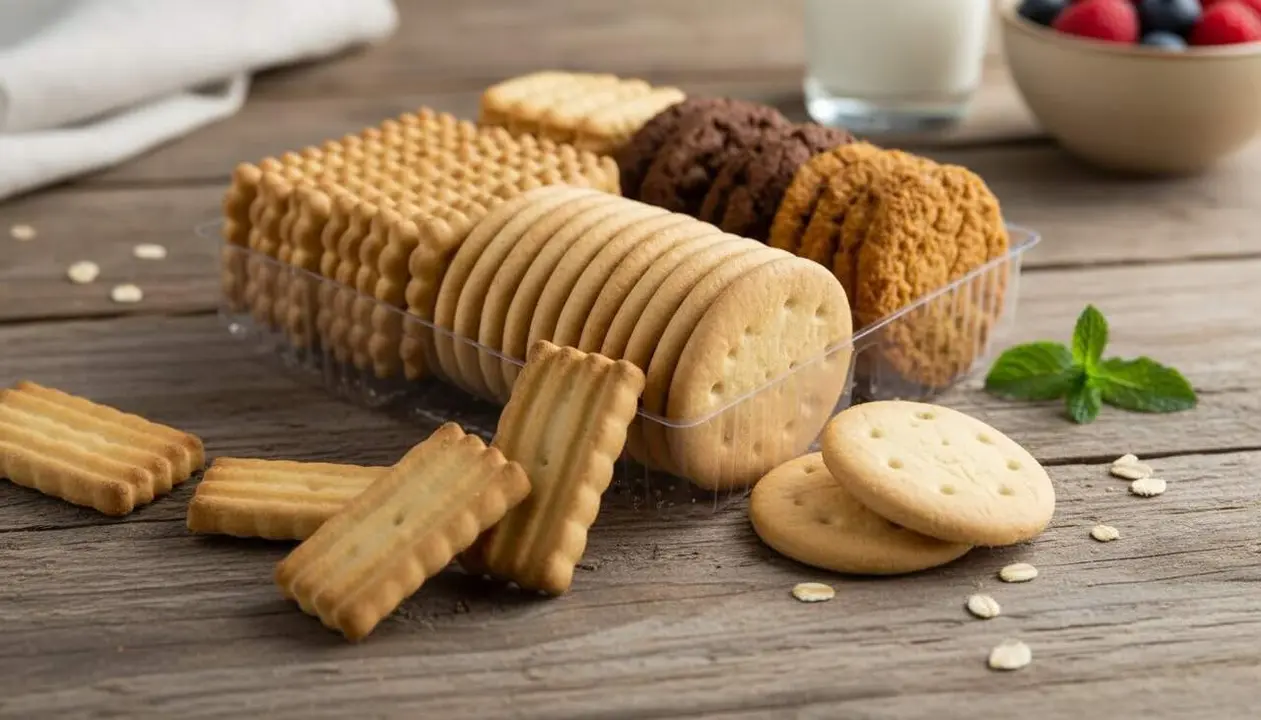

Cookies in Spain are about to undergo a metamorphosis that no one expected a few years ago. It is not just a rule update; it is a transformation that responds to the pressure of increasingly demanding consumers about their diet. The maximum ash limit restricting the use of whole ingredients disappears in 2026.
This measure will allow cookies to incorporate whole rye, spelt, oat flours and seeds like chia, flax, or sesame, with more fiber and minerals. And no, this does not mean they will stop being cookies, but rather they will be healthier and more functional.
Legal and technical changes in food quality
The ash limit and its history
Until now, the ash parameter—the inorganic residue after burning a food—served to measure the "purity" of refined flours. A high ash level indicated the presence of whole components or questionable safety. This limited innovation and the use of more complete cereals in sweet products.
With the new regulation, this limit disappears, opening the way for cookies with richer and more complex ingredients without sacrificing the denomination. Whole flours and other fiber-rich components cease to be a legal problem.
Impact on other products and the food chain
The decree also affects foods such as turkey ham, stuffed olives, and horchata, but it is in cookies where the transformation is most palpable. Furthermore, traceability throughout the food chain is strengthened, improving trust and safety for the consumer.
This means each product will have to guarantee clear information about its origin and process, facilitating the management of health alerts and avoiding mishaps.
Reactions and expectations from the sector and consumers
The industry celebrates the regulatory update
For years, the cookie manufacturing sector had called for this update. They will be able to create more nutritious recipes, aligned with WHO recommendations on whole grains and fiber.
According to industry sources, this change will help compete against imported products that already used similar ingredients. The Spanish consumer, increasingly aware, demands more quality and precise information.
Consumers facing the new era of cookies
Buyers can expect cookies with a greater variety of healthy ingredients, but also with clear guarantees about their origin. The new regulation elevates transparency and food safety.
But, as always, the question is: are we willing to accept cookies that leave behind that "classic" taste for more nutritious ones?
Regulation and the future: towards more transparent and innovative food
Alignment with global and technological trends
Spain updates its food regulation to keep pace with advances and global demands. The cookie sector is strengthened to be more competitive and innovative. This regulation will allow companies to experiment without fear of breaking old limits.
The change is seen as a step forward to adapt to a market that no longer tolerates outdated or opaque products in terms of information.
Official protection and traceability as pillars
The strengthening of traceability requires guaranteeing official documentation and exhaustive control of raw materials. This is very similar to the logic followed by officially protected housing, but now applied to the food industry.
With this measure, the consumer can trust that what they buy meets more rigorous standards, not only in taste but also in nutritional quality and transparency.
The Spanish cookie industry is preparing for a 2026 where innovation and health will begin to walk hand in hand. And in the end, the winner is the palate that does not have to choose between flavor and well-being.
But who says you can’t have it all?