Sant Fèlix lives the best day in history with 13 extra high-range castles completed
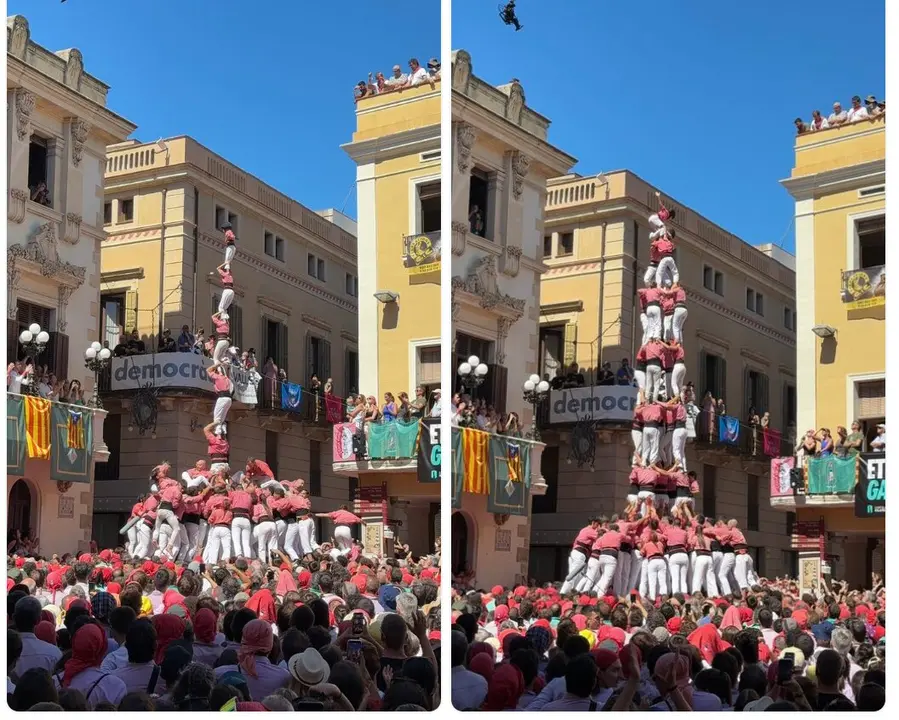

Els Castellers de Vilafranca have achieved an unprecedented record this Sant Fèlix with the completion of the first 9-high pillar with folre, manilles, and puntals in the casteller world. This historic milestone capped a memorable day where the teams successfully completed 13 extra-high towers.
The Plaça de la Vila in Vilafranca was the stage for a day that breaks all expectations and that fans will remember as the best in the history of Sant Fèlix. But, what makes this day so exceptional? We analyze it below.
A record-breaking day: why does it matter to the people of Vilafranca?
Which extra-high towers were successfully completed?
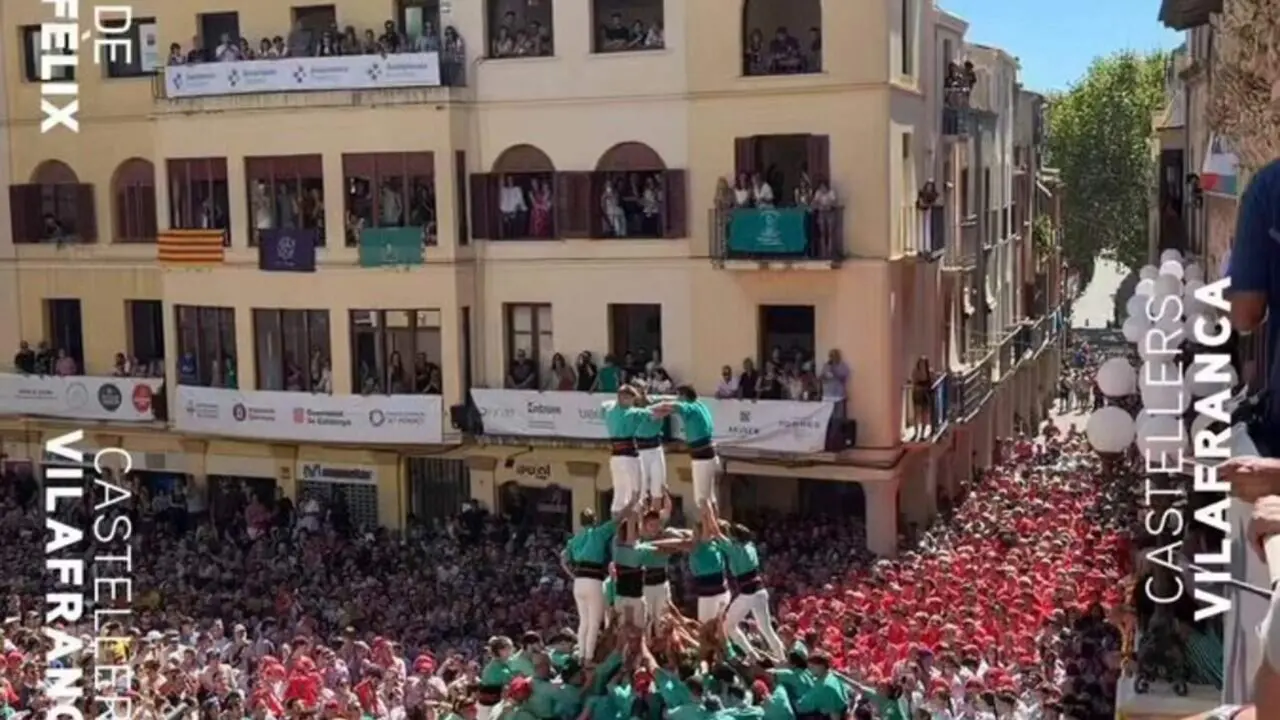
The day saw 16 extra-high towers, of which 13 were successfully completed, a figure that makes this event the most successful Sant Fèlix to date. Among them, four 10-high towers stand out, with the greens simultaneously completing the 3 and the 4 of 10, a technical and organizational feat that highlights the great quality of the team.
How did the 9-high pillar impact the event?
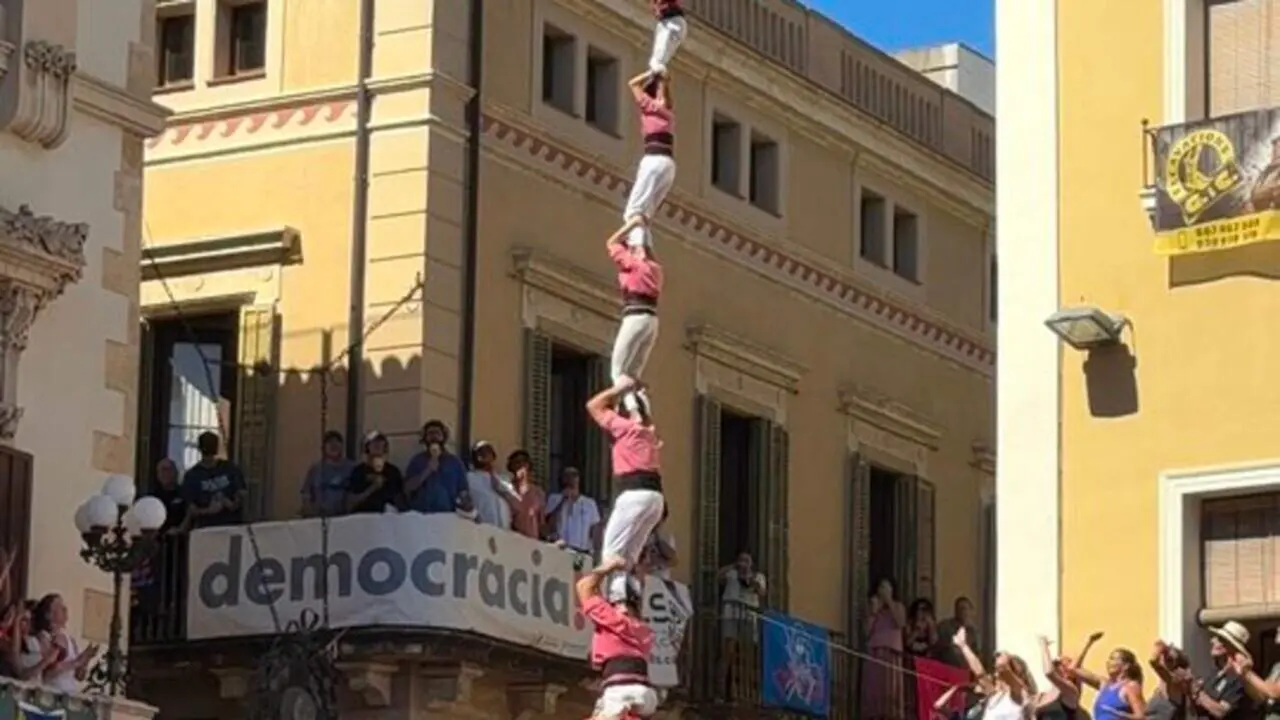
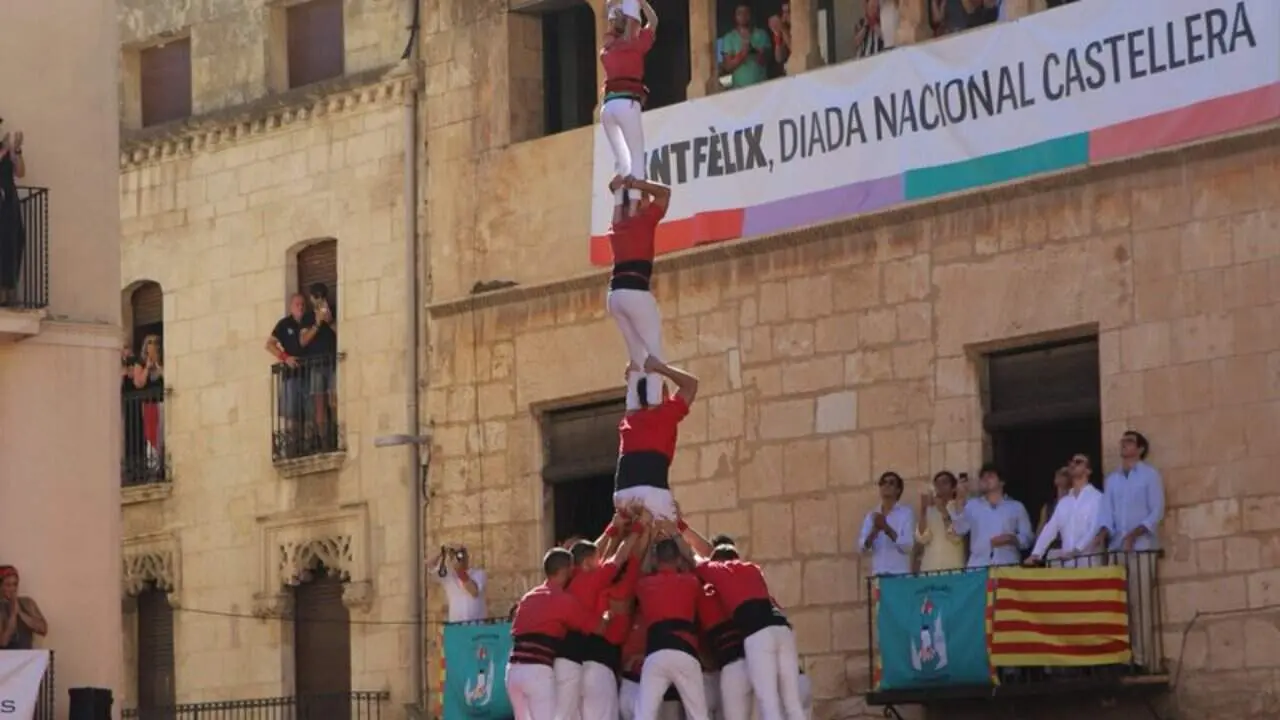
The 9-high pillar with folre, manilles, and puntals, completed for the first time by the Colla Vella de Vilafranca, elevated the day to another level. This tower, considered a casteller Everest, has been the object of more than a decade of attempts and four years since it was first loaded. The achievement is not only a technical milestone but a symbol of perseverance and excellence that connects with local pride.
The role of the pillars: why was the final round decisive?
What was the key to success in the final round of pillars?
The round of pillars was a titanic battle against gravity, with three 8-high pillars with folre and manilles completed by the Collas Vella, Joves de Valls, and Jove de Tarragona. Colla Vella led with an 8-high pillar that, despite shaking after the alleta, was completed with flawless execution and full of tension that captivated the square.
What does this round represent for the casteller tradition?
This round showed that the casteller tradition is not only maintained but surpassed. The security and confidence shown in the extra-high pillars were key for the day to be called the best in history. The shout of “and all completed” was the culmination of a performance that highlighted the commitment and passion of the participating teams.
The technical details that explain this day
How did the ten-high towers develop?
The second round, dedicated to the ten-high towers, demonstrated the immense difficulty of maintaining stability. Els Castellers de Vilafranca and Colla Vella suffered collapses in towers such as the 4 of 10 with folre and manilles, while Jove de Tarragona managed to complete the 3 of 10, showing fierce defense and great control despite the tremors.
Which constructions closed the ordinary rounds?
Joves de Valls attempted the 2 of 8 without folre, the most fragile tower of the day, which ultimately fell at the exit of the enxaneta. On the other hand, Colla Vella and Els Castellers de Vilafranca closed with needle towers, while Jove de Tarragona completed a 9-high tower with folre and manilles, showing a high level of confidence and preparation before the final round.
The reality is that this day has been a clear example of how the combination of experience, effort, and passion can take a centuries-old tradition to new heights. The people of Vilafranca have not only enjoyed a sporting day but a collective celebration that strengthens identity and community spirit.
Source of the article: Jordi Pujolar / Catalan News Agency