Sony reduces the PS6 RAM to avoid a price that is too high
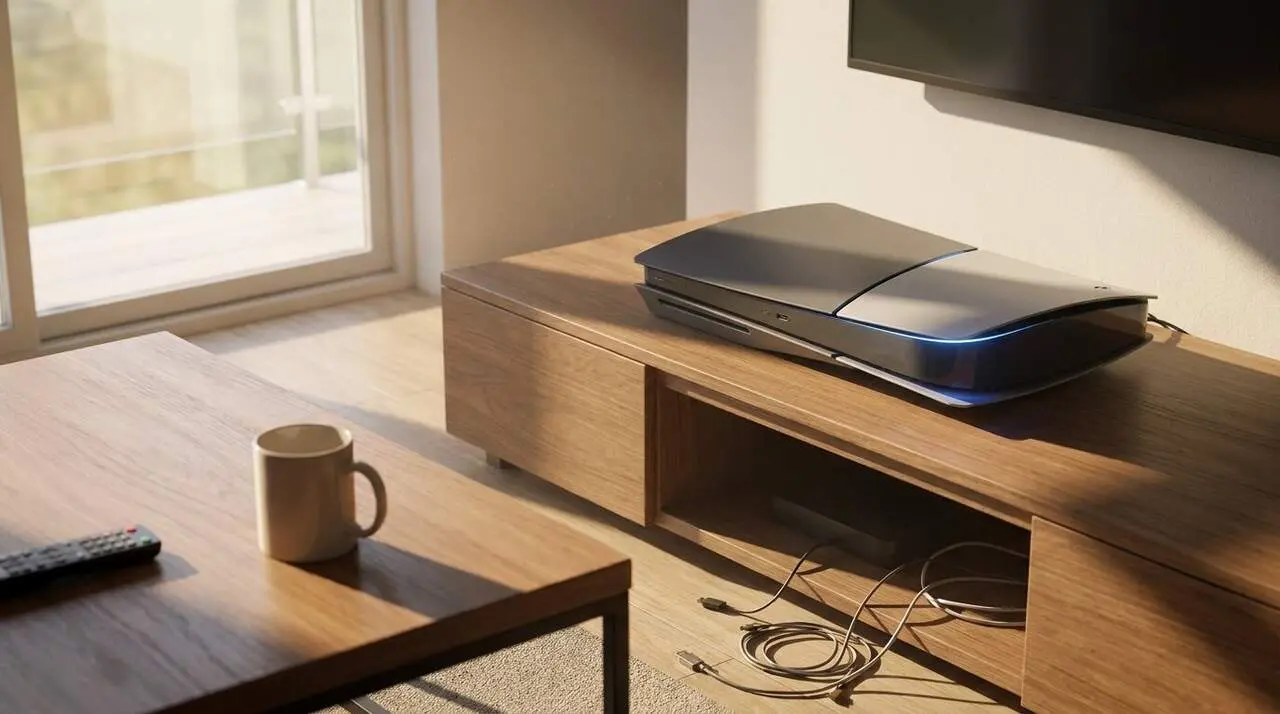

When Sony announced the PlayStation 5, many expected its successor, the PS6, to far exceed its power. But, what happens when technical decisions clash with market reality? Sony has opted for an unexpected move: reducing the PS6’s RAM to 24 GB, a step aimed at preventing the console from becoming an inaccessible luxury item.
This decision not only responds to global issues in component production but also shows that Sony wants to maintain a balance between console performance and an affordable final price for players. But, how will this affect the gaming experience? Let’s take a closer look.
The reasons behind the RAM reduction in the PS6
Global context and component crisis
Contrary to initial expectations, where the PS6 might have arrived with up to 32 GB of unified memory, Sony has revised this figure downward. The worldwide crisis in DRAM memory production and other essential components has forced changes across the entire tech industry.
Reducing the RAM from 32 to 24 GB is not just a technical issue, but also an economic one. With this decision, Sony aims to save about 60 dollars per unit, a key saving to avoid shooting the sale price and stay competitive.
Optimization and reuse of components
Beyond the amount of memory, Sony has adjusted the memory bus, moving from 160 bits to 128 bits. This allows optimizing the SoC design without affecting core performance, while increasing production efficiency by using chips that were previously discarded.
These measures are a bit radical, but necessary to prevent the PS6 from becoming a console too expensive for the majority of players. Sony plays with the idea that more is not always better if technology can be used more intelligently.
How Sony will maintain performance despite the RAM reduction
The power of GDDR7 memory and AI
Although the RAM capacity decreases, the speed of XDDR7 will be significantly higher, which compensates for the reduction in gigabytes. This faster memory will allow the PS6 to better manage performance in demanding tasks such as ray tracing and AI integrated into games.
Developers already see 24 GB as an adequate figure to ensure a smooth experience with high graphic detail, without being trapped by technical limitations.
Trade-offs with neural compression and efficient SSD
One of the most innovative points is the AI-based neural compression system for the 1 TB SSD. This technology allows games to occupy less physical space on the disk, while textures and models are completed dynamically in real time.
To put it into perspective, a game that currently takes up 150 GB could be reduced to only 40 or 50 GB on the PS6, which multiplies the real disk capacity and offsets the lower amount of RAM.
Impacts and future prospects for the PS6
More competitive prices and broader access
If Sony manages to keep production costs low with these adjustments, the PS6 will be accessible to more players without sacrificing too much power. The reality is that an exorbitant price could leave many outside the new generation.
The RAM reduction is, therefore, a smart move to ensure commercial sustainability. Technology doesn’t always mean increasing numbers, but knowing how to manage resources.
Launch and future challenges
According to the latest leaks, the PS6 could arrive in 2027 or later, depending on how the memory sector crisis evolves. This delay also reflects the complexity of preparing a top-tier product in such an uncertain environment.
In short, Sony is betting on a console that is not only powerful but also viable for the average consumer, with a combination of innovation in memory, AI, and optimization that promises to change the way we play.
The reality is that the PS6 wants to be much more than a simple upgrade: it is prepared to redefine the gaming experience at a sensible price.