Discover why the holes in plugs are key to avoiding problems
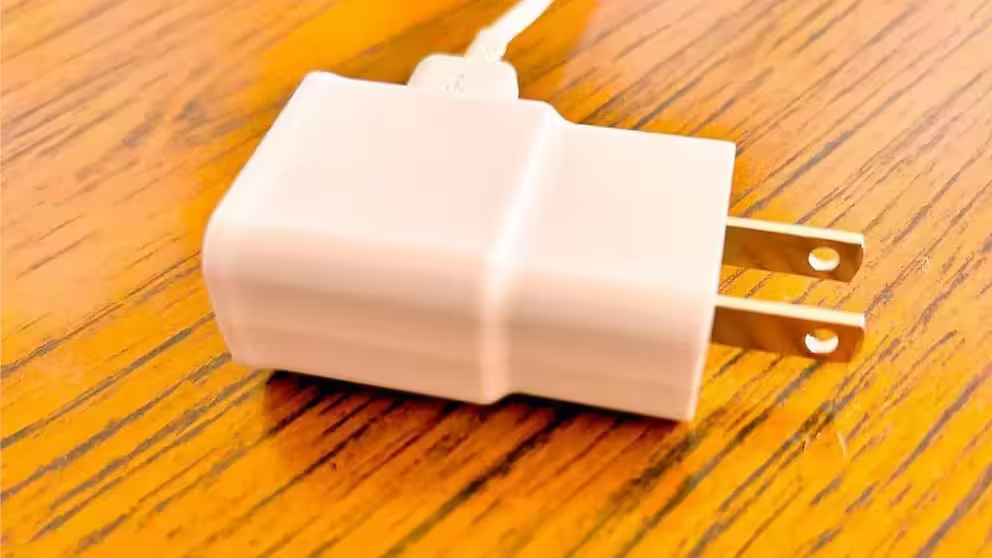

Can you imagine connecting an electrical device and suddenly it turns off due to a faulty connection? Many times we have seen those small holes in the plug prongs, and if you are like most people, you may have never wondered why they are there. These details are more than just a simple design; they are key to the safety and reliable operation of electrical devices.
Type A and B plugs, common in North America and parts of Latin America, incorporate these holes for very specific reasons. In this text, we will explain why these small holes are essential to prevent accidents and ensure a better electrical connection.
The technical function of holes in plugs
Improvement of retention and stability
These holes allow the springs or mechanisms inside the outlet to fit better with the prongs when the plug is inserted. This makes the connection firmer and more stable, preventing the plug from coming loose easily.
Why is this important? A loose connection can cause unexpected power interruptions, potentially damaging sensitive devices and even posing risks such as sparks or overheating. All in all, a danger no one wants at home.
Improvement of electrical contact and prevention of failures
These holes help establish a more consistent contact between the plug and the socket, ensuring a more stable flow of power. This reduces the likelihood of poor contacts, which can affect appliances or devices that operate continuously.
Thanks to these holes, current flows more safely, avoiding high temperatures or premature wear of electrical connections.
Other practical uses of the holes in manufacturing and safety processes
Facilitation in manufacturing and material savings
During production, the holes serve to hold the metal parts without damaging the terminals while applying the plastic coating. This ensures better quality in the finished product.
Additionally, the design allows a slight reduction in the amount of metal used, a saving that per unit may seem small, but is significant when producing millions of plugs annually.
Applications in safety and access control
In industrial or commercial settings, these holes can be used to place locking devices or special padlocks. This controls unauthorized use of electrical equipment, especially in technical or maintenance areas.
This system protects machinery and prevents unauthorized use, increasing workplace safety and avoiding accidents from unauthorized handling.
Historical origin and evolution of holes in plugs
The patent of Harvey Hubbell II and the first plugs
In 1904, American inventor Harvey Hubbell II created one of the first detachable plugs for domestic use, changing the way devices were plugged into power.
Although the first models did not have exactly the modern holes, they did include notches to improve stability, which later became the holes we know today.
Regional differences and electrical standards
It is vital to remember that plug types vary by region, due to different regulations, voltages, and safety standards. While types A and B are common in America, Europe and other areas use different designs adapted to their systems.
These standards, such as those established by NEMA (National Electrical Manufacturers Association of the United States), ensure that plugs are not only functionally effective but also safe for the user.
The reality is that these holes in plugs are not just a technical detail, but an essential element to ensure a stable connection, prevent accidents, and improve the durability of electrical devices. Now that you know why they are there, you might look at them differently the next time you connect a device.