5 surprising features of the Meta Ray-Ban Display and third-party apps
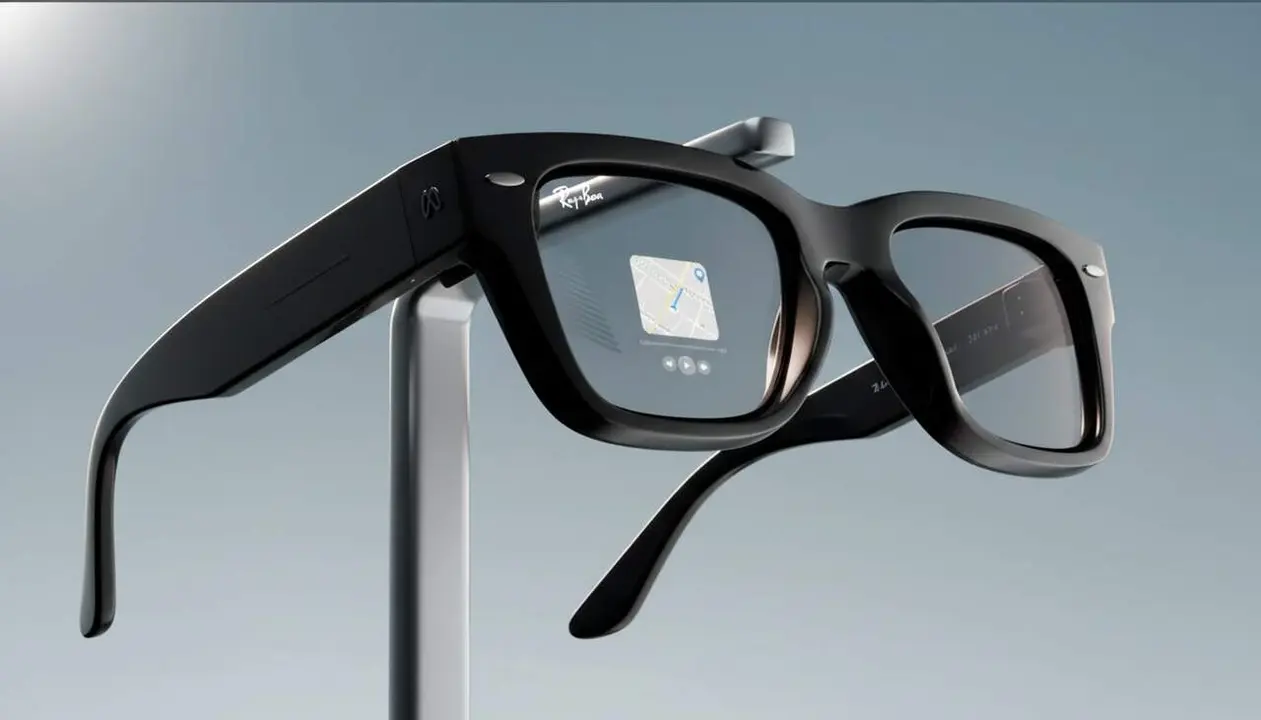

Imagine wearing glasses that not only protect your eyes but also connect you to the digital world with an integrated display. This is how the story of the Meta Ray-Ban Display began, smart glasses that now take an unexpected turn.
With the opening to third-party apps, these glasses not only show the present but promise to transform the way we interact with technology in everyday life.
How Meta Ray-Ban Display enables third-party apps
Compatibility with web and mobile applications
Meta Ray-Ban Display are no longer a closed box. Meta has announced that these smart glasses support both web applications and apps for Android and iPhone. This means developers can adapt existing apps or create new ones specific to the integrated display.
The process is not complicated: Meta has added these capabilities to its native wearable development kit, making it easy for apps to work seamlessly between the phone and the glasses.
Features unlocked by third-party apps
The possibilities are varied and powerful. Some of the functions that can appear thanks to external apps are:
- Displaying live sports scores or real-time data.
- Overlaying information on what you see through the glasses.
- Playing multimedia content directly on the screen.
- Other creative uses we can’t yet imagine.
The competitive challenge against Android XR
A response to Samsung’s smart glasses
Meta does not want to fall behind in the extended reality race. The new opening of Ray-Ban Display to third-party apps is key to competing with the arrival of Android XR, the system Samsung will bring this year with its own smart glasses.
Samsung’s appeal will be that their glasses can run the same apps as the phone, but Meta responds with a platform that offers flexibility and easy access for developers.
Success and obstacles in deployment
Ray-Ban Display has had a good reception, especially in the United States, where demand caused a delay in the international launch. But now, Meta faces regulatory challenges in the European Union, which wants batteries to be user-replaceable, a feature these glasses do not have.
The company is seeking alternatives to overcome this obstacle, but there are no clear solutions yet.
Tools to develop and create unique experiences
Development kit for Android and iOS
Developers have at hand a native development kit that facilitates bringing existing Android or iOS apps to the Ray-Ban Display. This eliminates the need to start from scratch and allows for an integrated experience between phone and glasses.
Thanks to this kit, the process is more accessible and less tedious, which can encourage more creators to participate.
Web apps with traditional technologies
Web apps can also be made for the glasses using HTML, JavaScript, and CSS. This approach allows experimenting with simple and fast solutions that work directly on the screen, opening the door to much creativity.
It is a smart step for Meta, which wants its platform to grow quickly and in diverse ways.
| Feature | Meta Ray-Ban Display | Android XR (Samsung) |
|---|---|---|
| App compatibility | Adapted third-party web and mobile apps | Native Android mobile apps |
| Ease of development | Native kit and web technologies | Conventional Android mobile apps |
| Release | Available, with high demand | Planned for this year |
| Challenges | European regulation on batteries | Direct competition |
The Meta Ray-Ban Display are about to change the wearable technology game, and with the opening to third-party apps, the potential multiplies. But the path is not free of difficulties, especially regarding regulations and competition.
Still, Meta’s strategy is clear: to make life easier for developers and offer users a unique and personalized experience with cutting-edge technology.
If you’ve wondered what the future of smart glasses will be like, these innovations from the Meta Ray-Ban Display are a very strong clue.