Tax authorities fine those who bring in or take out more than 1,000 euros in cash
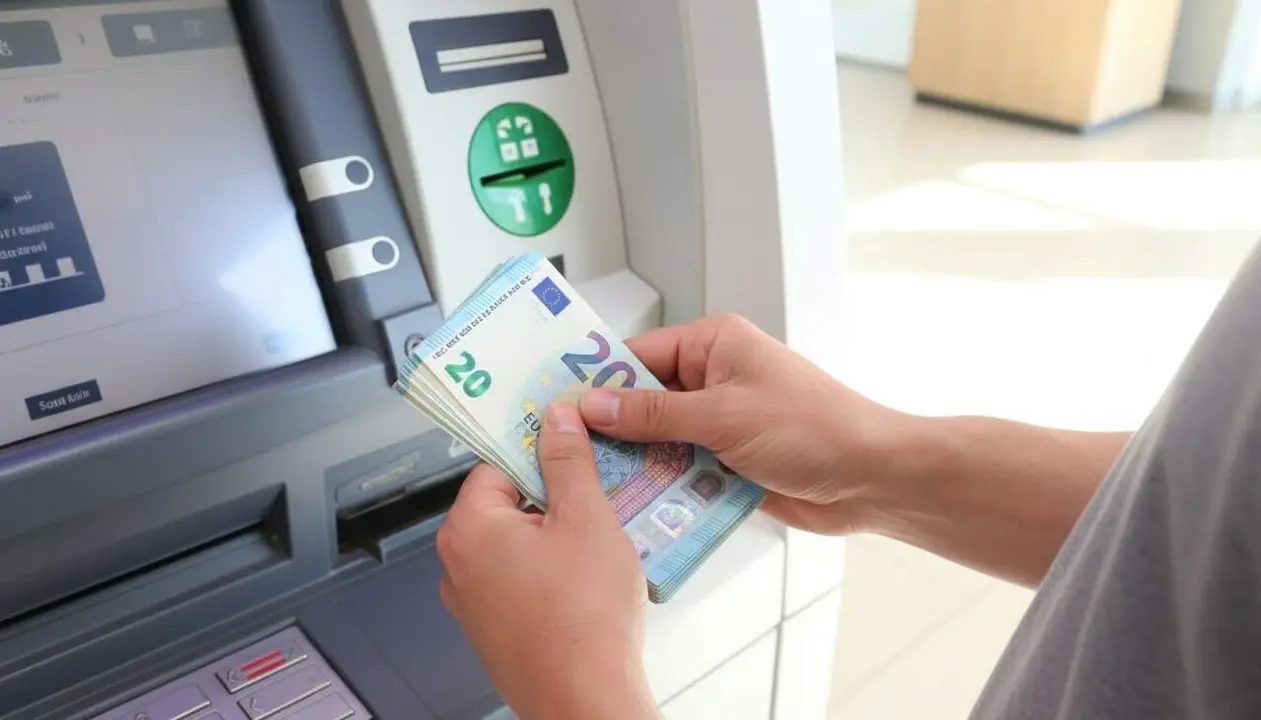

A neighbor is about to withdraw money from the ATM, but what they don’t know is that, from a certain amount, they are putting the tax authorities’ focus on them. This is not a science fiction story but the harsh reality of an administration that doesn’t miss a detail of cash movements.
Although there is no legal limit for withdrawing or depositing cash, from 1,000 euros onwards the tax authorities start asking questions, and if the amount exceeds 3,000 euros, the alarms really go off. It’s not just a matter of numbers, but the risk this entails for those wanting to evade taxes.
Why the Tax Agency monitors cash withdrawals and deposits
The strategy against tax fraud
The reality is that the Tax Agency is more attentive than ever to cash movements to put an end to tax fraud. Large withdrawals or deposits at ATMs can be an easy way to move money without leaving a trace, but this is becoming less and less true.
Banks and the administration share data to identify suspicious transactions and prevent money laundering or tax evasion. When you exceed the established threshold, your movements become subject to analysis.
The role of the bank and identification
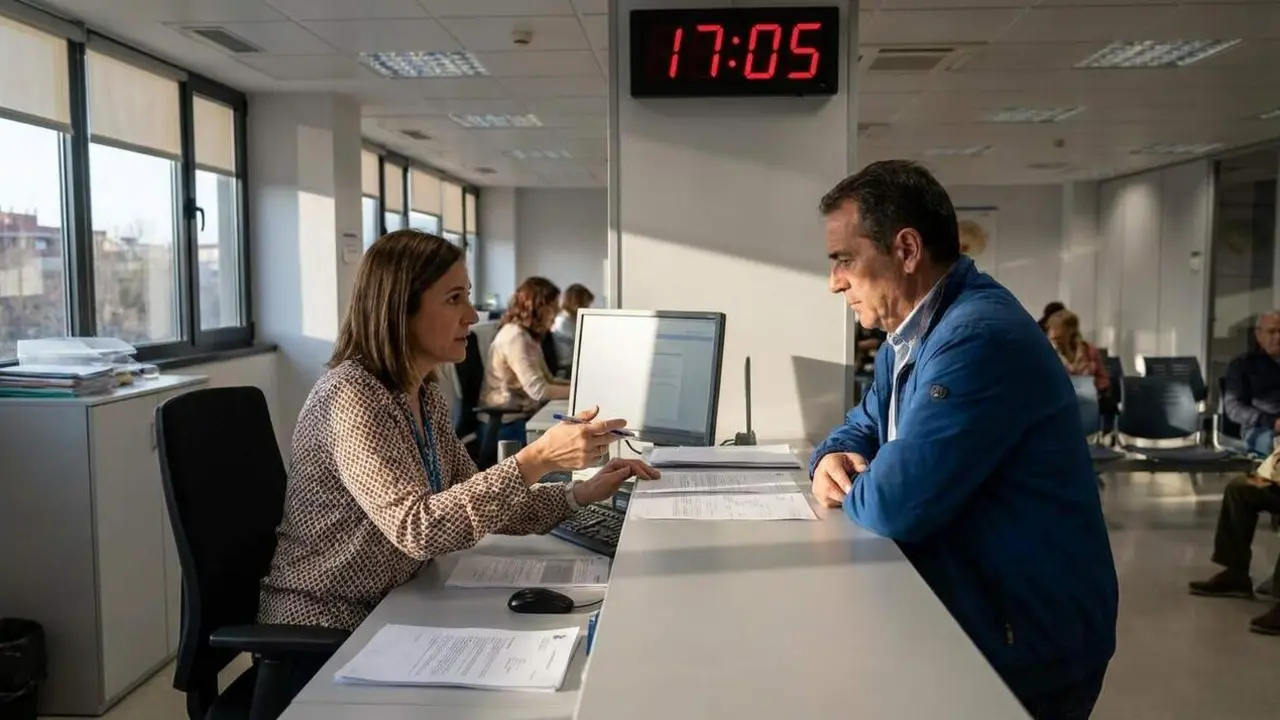
Any client making a movement equal to or greater than 1,000 euros must provide their identification. It is a legal obligation so the bank can provide information to the Tax Agency if requested.
Banks also recommend speaking with an employee if large amounts are withdrawn or deposited to obtain a receipt that serves as proof in case an investigation is opened.
Amounts that trigger the Tax Agency’s alert and legal limits
When does the alarm start? The 1,000 and 3,000 euros threshold
The Tax Agency doesn’t set a fixed limit for withdrawing money, but it does start asking questions from 1,000 euros. When the amount reaches 3,000 euros or more, the risk of investigation is real.
Banks, such as CaixaBank, warn that deposits exceeding 3,000 euros or with large bills (such as 500-euro notes) are automatically reported to the Tax Agency.
Limit for carrying cash and at home
The law states that carrying more than 100,000 euros in cash on the street can lead to problems with the authorities. Therefore, walking around with a suitcase full of euros is not a good idea.
Regarding the amount of cash that can be kept at home, there is no legal limit as long as you can prove its origin. But having millions under the mattress is not advisable.
Practical advice to avoid problems with the Tax Agency
Communicate with the bank
If you need to withdraw or deposit a large amount, it’s best to notify the bank in advance. This way, you will avoid having the transaction denied due to lack of funds or having movements suspended for security.
Always ask for a receipt that you can show if you are asked for explanations later.
Move money wisely and avoid suspicion
It’s not just the amount, but how the money is moved. Making repeated withdrawals or deposits just below the threshold can raise suspicions.
A clear strategy to avoid problems is to maintain transparency and correctly declare all income to prevent the Tax Agency from scrutinizing you.
The reality is that the Tax Agency no longer misses any detail of cash money, and moving large amounts without explaining their origin is playing with fire.