Why is fish consumption falling at home while it thrives outside in Spain?
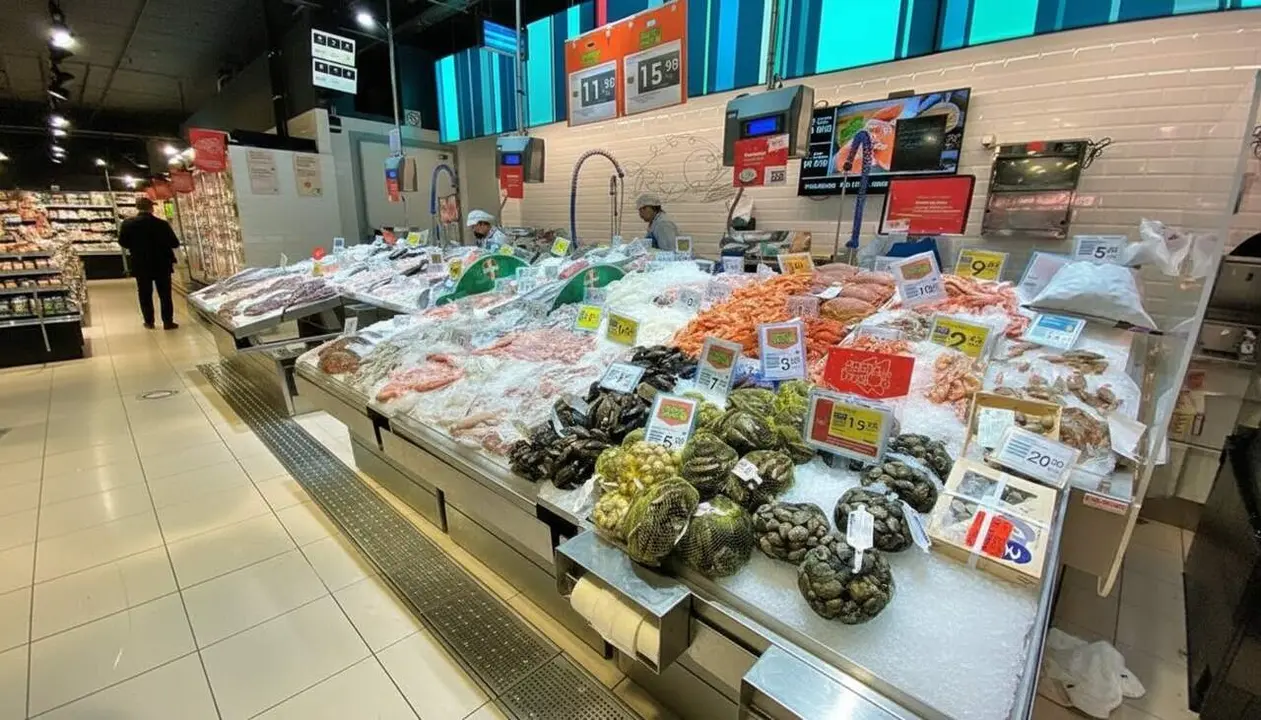

Imagine going to the market and finding fewer fishmongers than ten years ago. That fish, a key element of Spanish gastronomy, is experiencing an unusual situation: less buying at home, but more demand outside.
This change is not accidental. It is a clear symptom of a transformation in our food consumption and in how we associate fish, more with leisure than with home cooking.
The fish crisis in Spanish households
Significant drop in domestic consumption
Data from the Ministry of Agriculture, Fisheries and Food do not lie: per capita fish consumption has fallen from 26.4 kg in 2014 to only 17.8 kg by the end of 2025, a plunge of 32.5% in a decade. This decline has caused the closure of more than 5,000 fishmongers in Spain, nearly a third of the establishments that existed in 2007, according to Fedepesca.
This negative trend is due to several factors: from cultural and educational changes, to the perception that fish is expensive and difficult to prepare at home. Furthermore, the lack of generational renewal and complicated commercial hours add pressure to an already threatened sector.
Species that defy the crisis
Despite this general fall, there are fish that maintain or increase in demand. Salmon, trout, tuna, sardine, and anchovy are examples of species with significant increases, especially in products like smoked salmon and trout.
Salmon stands out not only for its consumption volume but also for its rise in popularity, directly linked to the boom in Asian cuisine and dishes like sushi, sashimi, poké, or ceviche.
Fish triumphs more in leisure than at home
Explosion of out-of-home consumption
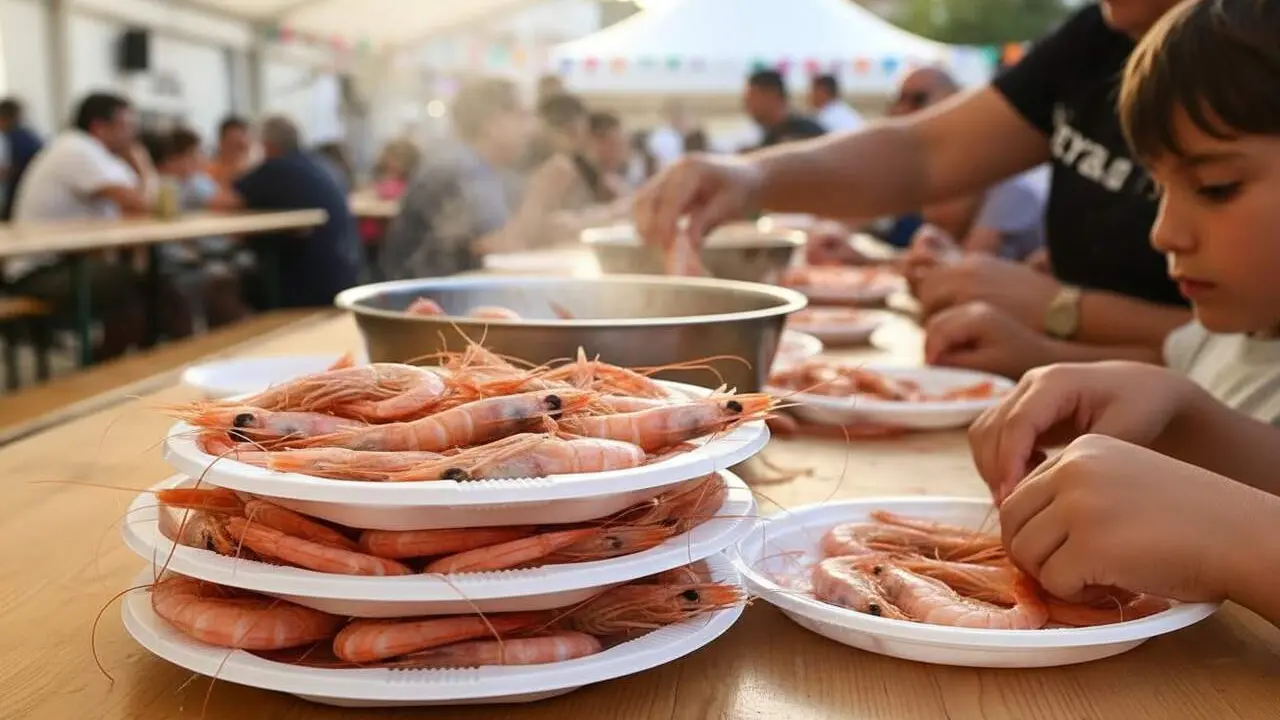
What does not decline is fish consumption outside the home. According to the Mercasa report, out-of-home consumption of fish and seafood grew by 8.1% in 2025 compared to the previous year, with a record figure of 155.7 million kilos in 2024. Seafood, squid, octopus, shrimp, fresh salmon, and tuna are the most demanded.
This increase highlights a growing preference for eating fish in restaurants, bars, and specialized venues, where the ways of preparing it have diversified and modernized.
Sector adaptation and new businesses
Declines in domestic purchases and fishmonger closures have driven some companies to diversify, even towards manufacturing pet food, an unexpected yet necessary path according to Fedepesca.
Likewise, the sector recognizes that fish is increasingly associated with leisure experiences and dining out, especially with the rise of Asian cuisine. The consumption of refrigerated sushi, for example, grew by 50% in three years, according to Asefapre.
Keys and perspectives on fish consumption in Spain
Perception and cost as barriers
The perception of price and the difficulty of cooking fish at home are the main obstacles explaining the decline in domestic consumption. Many consumers prefer not to consider cooking dishes like sea bass at home but do not give up enjoying them out.
As journalist Carlos Prego pointed out, fish has become a product more linked to leisure and gastronomic experience than to daily routine.
What lies ahead?
Experts like Juan Roig foresee that home cooking is in decline, and that the future lies in consuming ready-made foods or eating out more often. This poses a challenge for the fish industry, which will have to adapt to new consumption patterns and take advantage of the rise of Asian dishes like sushi or poké.
Meanwhile, the sector must find ways to revitalize home sales and keep alive a gastronomic legacy that has always been a symbol of Spain.
The foolproof fish in sauce recipe could be a touchstone to revive interest in fish in home cooking, while Mercadona explains if its new products can help simplify buying and preservation.
The reality is that, despite the domestic crisis, fish remains a protagonist in leisure and catering, and its story in Spain still has many pages to be written.