Starting in July, cars with mandatory pre-installation of breathalyzers
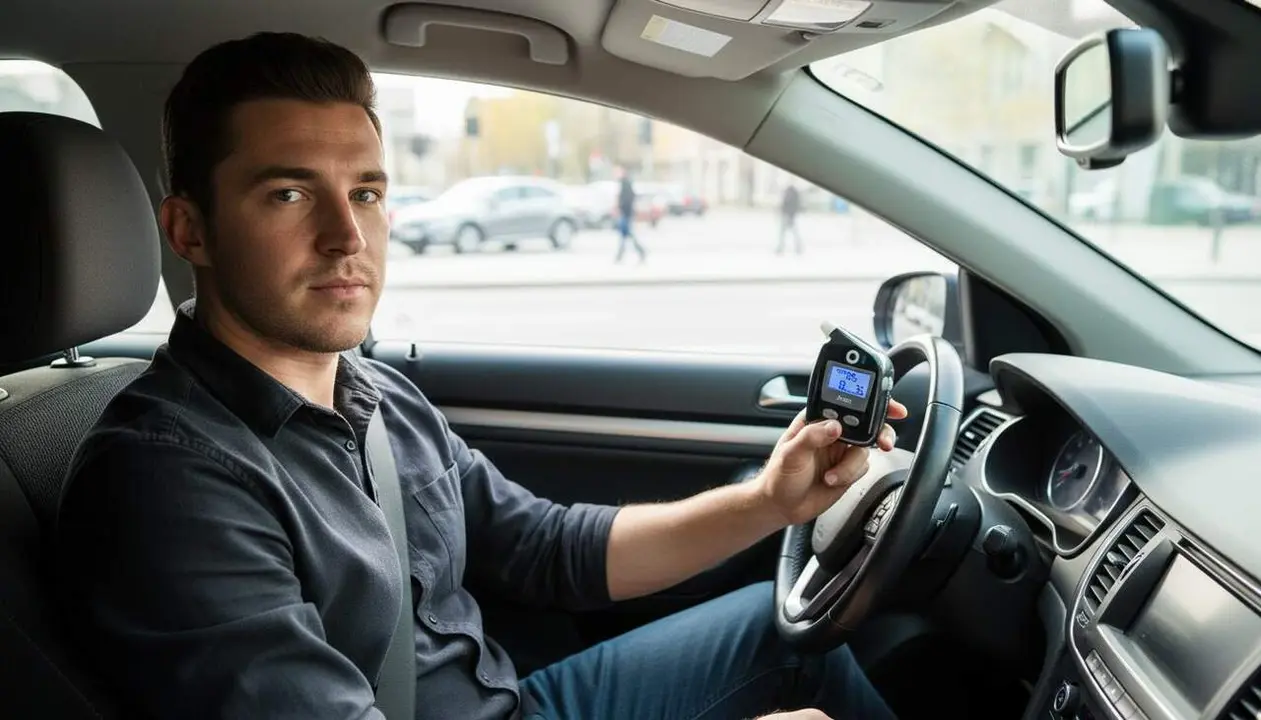

If you have ever approached a new car and noticed the endless buttons and sensors, you might not have known that starting this July there will be a mandatory "new companion": the pre-installation for the ignition breathalyzer, known as the alcolock. A detail that may seem minor but, in reality, could change the driving scene more than you imagine.
The European Union keeps introducing technological measures to try to stop road accidents from being a common tragedy. But what stands out is that starting July 7, 2026, all cars leaving the factory will have to carry this interface for the alcolock, a device that until now was mostly for a select few.
What is the alcolock and why does the European Union impose it?
Ignition breathalyzers are not a new invention, but until now their presence in private cars was anecdotal or for repeat offenders. In 2022, it became mandatory for passenger transport vehicles, and countries like Spain, Italy, or Finland have already implemented it to control drivers with a history of drunk driving.
The system works by blowing into a device connected to the car’s ignition. If the alcohol level exceeds the allowed limit, the car won’t start. Starting in July, the European Union requires that all vehicles leaving the factory come with the pre-installation so that this device can be easily installed in the future, taking a further step towards safer and more controlled driving.
Impact on drivers and industry
This move makes it clear that the use of the alcolock is not just for professionals or repeat offenders, but the European Union aims for generalized implementation. This may seem like excessive control to some, but the intention is clear: to reduce accident rates caused by alcohol behind the wheel.
Manufacturers, for their part, have already begun adapting their production lines to comply with this directive, which not only affects passenger cars but also commercial vehicles and buses.
Other technologies arriving with the new European regulation
The black box that monitors emissions and accidents
If you thought the black box in cars was only used to record accident data, you will be surprised to know that starting July 2026 it will also include information on emissions. This measure will apply to all new vehicles, including trucks and buses, and promises to record more precise data to fine-tune response in case of an incident.
Improvements in driver assistance systems
Automatic emergency braking, the intelligent speed assistant (ISA), and the fatigue detector also receive an extra dose of technology. These systems are expected to be more efficient and sensitive, especially in detecting cyclists and pedestrians, and in monitoring the driver’s condition.
The EU puts road safety front and center
From theory to practice: when will we see the alcolock in all cars?
Although the pre-installation will be mandatory starting in July, the actual installation of the alcolock will depend on national regulations. Spain and other countries already have regulations for repeat offenders, but the trend points to a more extensive rollout in the coming years.
Opinions and perspectives from industry and agencies
Sources close to the DGT have indicated that this measure is "one more step to make the road a safer place for everyone." Meanwhile, the automotive industry acknowledges that adaptation involves a cost but that safety "is non-negotiable."
The future of the car in the European Union lies in combining technology and control, and the alcolock seems like the next natural step to prevent the classic human error of drunk driving from continuing to cause victims on the road.
The reality is that starting this July, the pre-installation for the ignition breathalyzer will be another element in our new car. And, whether you realize it or not, this small sensor could end up being the one to decide if your vehicle starts or not. An advantage for safety, a headache for those who do not want to give up beer before driving, but that's how things are.