The Return of the Citroneta: Citroën Prepares an Affordable Electric with Classic Inspiration

Small cars have always had a special place in car culture, but when prices soar, many simply disappear from buyers’ horizons. This is why Citroën is making a move long awaited: to bet again on the A segment with a completely new and electric model, which will indirectly replace the C1.
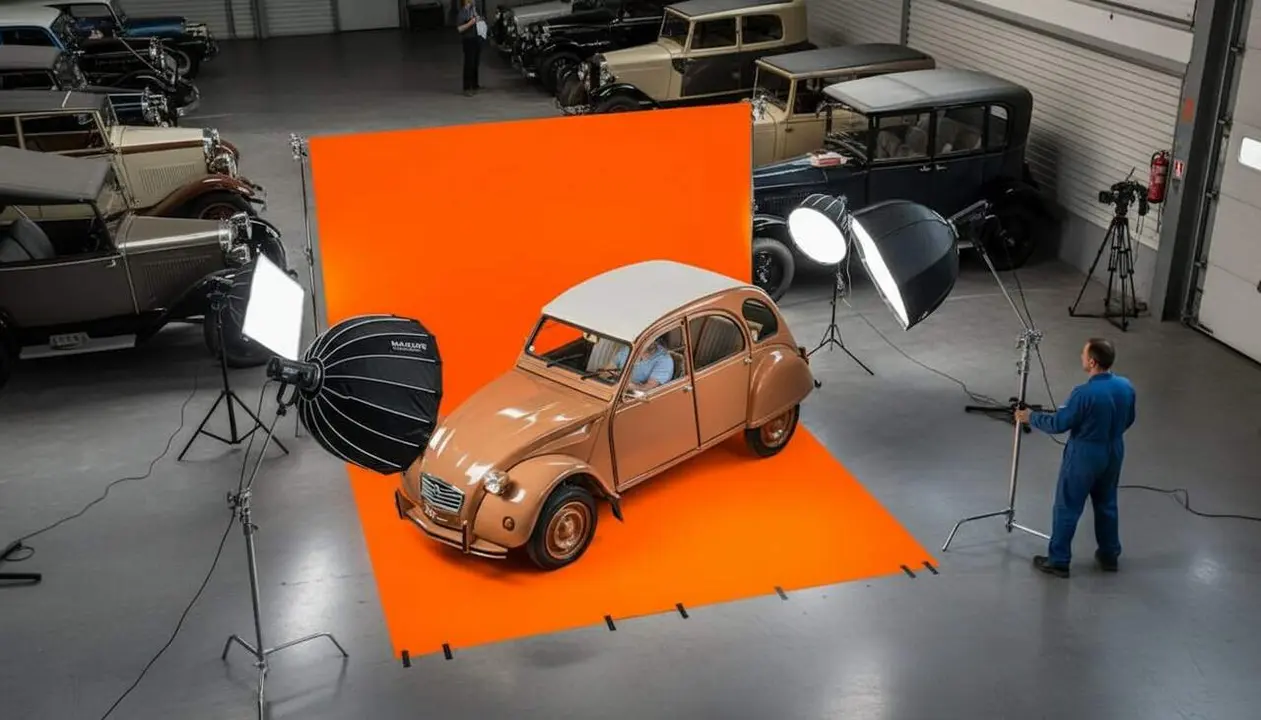
But let’s not fool ourselves, this is not just a new model; it is an attempt to rescue the essence of that Citroneta that made it possible, after the war, for many people to have access to a car without breaking the bank.
Citroën and the new era of the urban electric car
The project Citroën has underway is not just a futuristic technological toy that would only captivate automotive geeks. The brand wants to put on the table a urban electric car affordable under 15,000 euros. That, if you stop to think about it, is almost a miracle today in the European market.
A vehicle like this could redefine what we understand by economical and sustainable mobility. Of course, this doesn’t mean giving up safety or basic technology, but rather betting on simplicity and efficiency when manufacturing and using it.
A bet on functionality and cost of use
The new model will not copy the retro aesthetics of the original Citroneta, but it will follow its philosophy: prioritizing practicality and functionality over anything else. This means fewer frills and more car made for moving without complications.
This should allow maintenance and usage costs to be low, a key factor when society scrutinizes every euro spent on cars.
The challenge of making the new car accessible
With new vehicle prices sky-high, many people are forced to opt for second-hand models or larger, less efficient segment vehicles. This is where the electric Citroneta can make a difference.
An affordable model could reactivate the European market, which has yet to recover pre-pandemic activity and where the vehicle fleet is getting older.
Context and European strategy for mobility
The return of this model is no coincidence. Europe faces a scenario where the demand for small and affordable cars is more evident than ever, and where sustainability is a stringent political and social mandate.
Citroën’s initiative fits within a larger strategy to revitalize a market that needs clear options for urban mobility, with vehicles that are not just for the privileged.
Impact on the European market
Experts already warn that if models like this do not appear, the trend will be an increase in the average age of vehicles and greater dependence on the second-hand market, which does not always offer guarantees or innovation.
So, if Citroën gets it right, we might see a new wave of interest in electric urban cars that honor the legend of the Citroneta.
The keys to real success
- A price under 15,000 euros, key to attracting new buyers.
- Production focused on efficiency and simplicity to reduce costs.
- Adaptation to current standards of safety and technology without unnecessary complications.
The future of the urban car according to Citroën
The reality is that the return of the Citroneta will not be a nostalgic reunion with old shapes, but a fresh proposal that recognizes the difficult times we live in for buying a new car.
Citroën aims for a model that can be a real solution for many families and people who today do not see it viable to acquire a new electric vehicle. This could mean a before and after in the perception of the urban car.
A model that does not give up either the essential or the identity
The aesthetic details are still a mystery, but it is clear that the philosophy of the Citroneta, based on practicality and affordable mobility, will be its soul.
This will not only satisfy the nostalgics but will validate the idea that a car can be simple, effective, and modern at the same time.
Impact on urban and sustainable mobility
Citroën’s new electric vehicle could be the answer to a clear need: moving around the city without spending a fortune and with environmental responsibility.
An affordable, electric, and practical car is exactly what 21st-century mobility demands, and the Citroneta seems willing to return to prove it.
The reality is that it is not just a nostalgic return but a clear bet that can change the rules of the game in the European urban segment.