Renault breaks the tie: withdraws new electric cars in Spain

Imagine the scene: Renault, a brand that seems to have everything under control, slams the negotiation table down as if it were a game of thrones. It's no small matter when we talk about its factory in Palencia and Valladolid, the pillars of its electric future in Spain.
How can a company with thousands of jobs and big plans for electric cars find itself at a standstill over a wage issue? This is the great mystery shaking the industry and putting the future of 6,000 employees in doubt.
Renault and the unexpected break with the unions
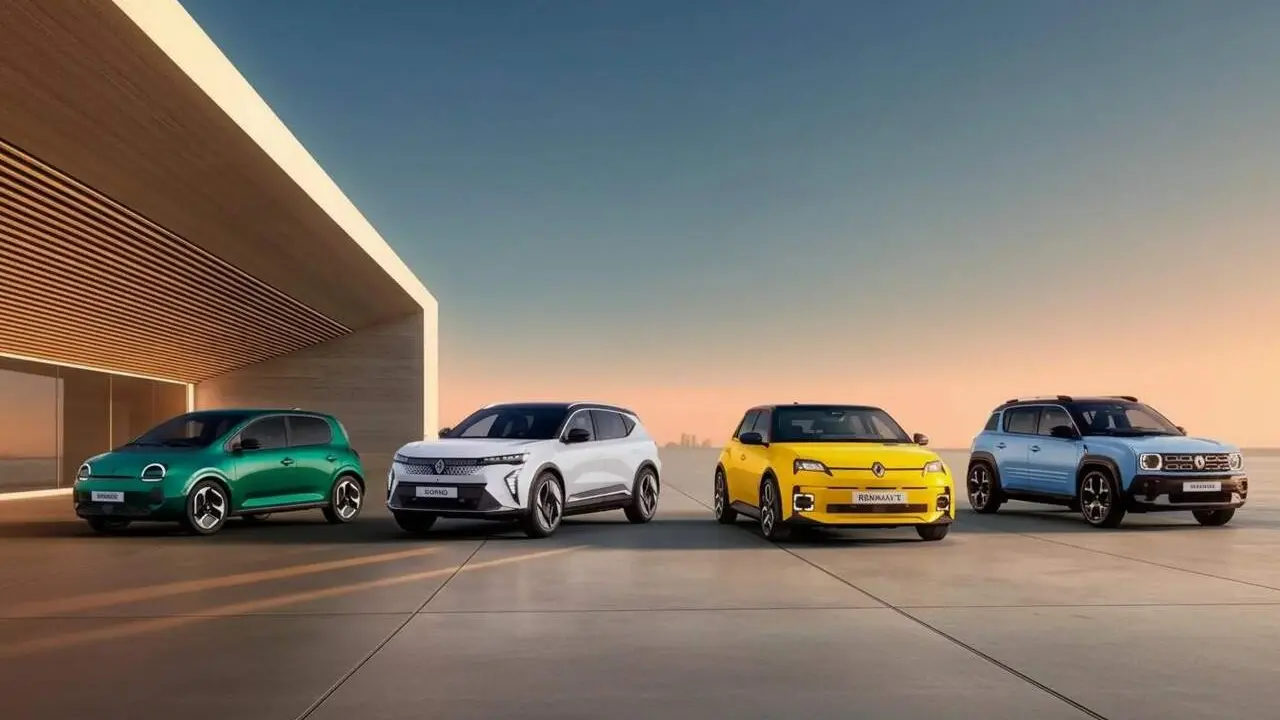
The French automotive group has made a move nobody expected: it has withdrawn the award of the new electric vehicle platform destined for its Spanish plants in Palencia and Valladolid. This decision comes after negotiations for the new collective agreement stalled.
The company had offered the unions a salary increase of 400 euros gross non-consolidated for the years 2027 and 2028, an offer the workers' representatives rejected, seeking to recover part of the purchasing power lost during the wage freeze over the last two years marked by an accumulated inflation of 12.6%.
The consequences of an empty table
The result of this break is an unpleasant scenario: Renault has announced that production in Spain will be reduced, with no new models and jobs at risk. Company sources do not hide that other countries like Turkey or Morocco could host the platform, leaving the future of workers at the Spanish plants in the air.
The importance of the Palencia and Valladolid plants
The Spanish factories are a key engine for Renault in Europe, with a production of 343,000 vehicles last year, mostly in Valladolid. The company’s initial commitment was to manufacture three multienergy and hybrid models in Palencia and Valladolid, with economic support from the Ministry of Industry of more than 66 million euros for the segment C electric car in Palencia.
The wage conflict that put everything at risk
The unions only wanted to recover part of the real loss of purchasing power from the 2021-2022 period, years marked by inflation and energy tensions. But Renault remained firm with a salary increase offer that combines the CPI plus a small bonus and non-consolidated extra payments.
The negotiation and the union response
After nine meetings, the company presented a final offer that did not satisfy the workers, causing Renault to decide to get up from the table and suspend the production of the new generation of electric cars.
The risk of a domino effect in the industry
Renault’s decision does not only affect Spain. In other European plants, like Romania, significant cutbacks have already been announced. The company has preferred to bet on countries with lower labor costs and favorable trade agreements like Turkey, which currently plays a key role in production relocation.
The uncertain future of employees and the local industry
The 6,000 jobs in Palencia and Valladolid are under a disturbing shadow. Without Renault’s firm commitment, the future will be complicated, and the possibility that the factories lose their main activity is more than real.
Alternatives and the pressure of time
Renault keeps the door open to continue talks with the unions, but the time factor is against them. The company needs to decide soon where it will install the new platform for its electric cars, and the lack of agreement could tip the scales.
The role of governments and aid
Despite the public investment of more than 66 million euros to boost electric manufacturing in Palencia, the wage policy and complicated negotiations have made this effort potentially go to waste, highlighting the difficulty of aligning interests between the company and workers.
The reality is that Renault has put at risk not only production but also confidence in the Spanish automotive industry. How this conflict is resolved will mark the future of an important part of the local economy and the sustainable mobility sector in Spain.