RCCI Engine: the engine that runs on gasoline and diesel at the same time
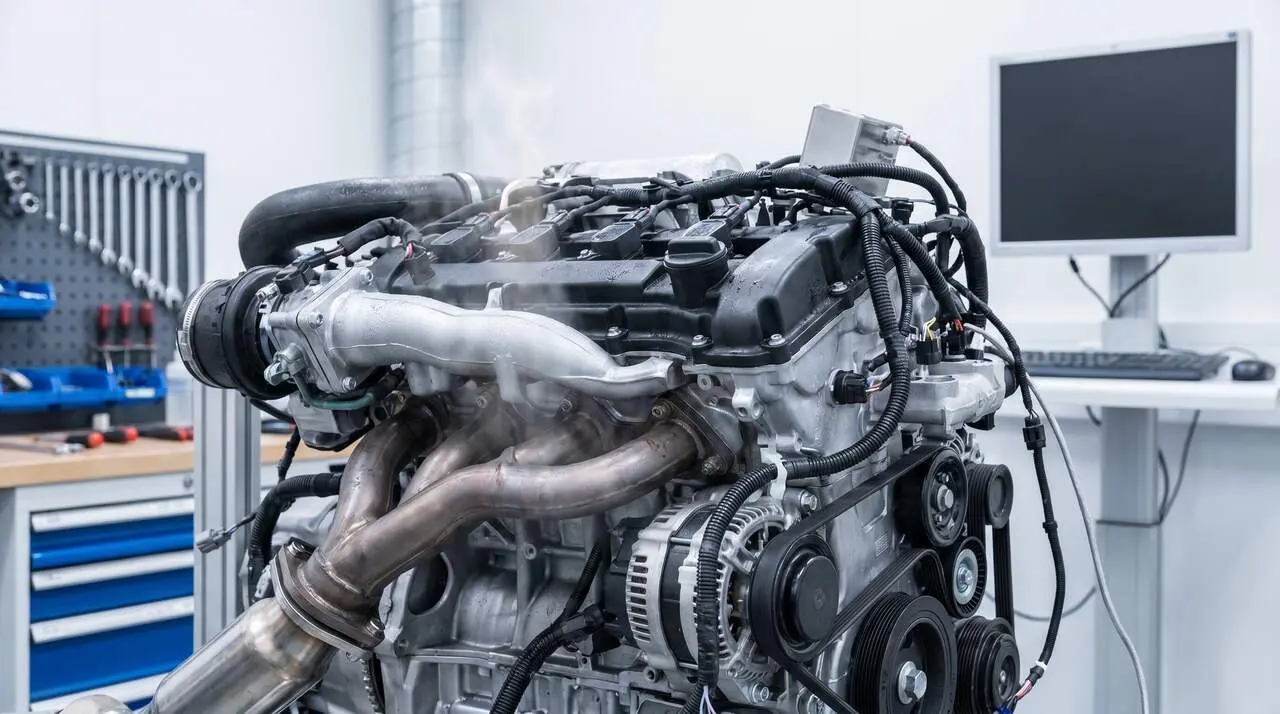

Imagine an engine that does not have to choose between gasoline or diesel, but uses both at the same time to operate. This is not a science fiction story, but a real project that is generating a lot of buzz in the motor world.
But not everything is roses and violets. This engine, developed by a team at the University of Wisconsin-Madison, is still in the experimental phase, which means its practical application still seems like a short-term mirage.
The engine that defies traditional rules
The engine called RCCI (Reactivity Controlled Compression Ignition) is the answer to the need to seek alternatives to electric vehicles, which are currently leading the future of automotive technology. This system combines gasoline and diesel in combustion, an idea that may seem strange but brings substantial benefits.
⛽ Combined consumption: much more efficient than traditional engines
💶 Estimated price: still in the laboratory phase
🏁 Status: development at the University of Wisconsin-Madison
A leap in efficiency
Traditional gasoline engines only use between 30% and 40% of the fuel to generate power, while diesel engines achieve between 45% and 50%. The RCCI, meanwhile, raises the bar to 60%, which could mean a radical change in terms of efficiency and emissions.
A masterfully controlled mixture
Its operation is somewhat like a balancing act that only an expert could master. Initially, the engine acts like a conventional gasoline one, mixing air and fuel, but just before ignition, diesel is injected to create a mixture that triggers the entire combustion. The result? Less emissions and more power, a combo any driver would want.
Limitations and practical challenges
The need for two fuels
Of course, not everything is as simple as it seems. One of the main drawbacks is that you will have to refuel both gasoline and diesel, a task that could complicate drivers' lives. Still, some already imagine robotic gas stations where the only job would be to pay and leave.
From laboratory to road
The project is still in the experimental phase and, for now, only works under controlled laboratory conditions. The reality is that turning this technology into something suitable for street cars is still a challenge that will take years, if it ever becomes a reality.
Implications for the future of the engine
An alternative to the electric vehicle?
Most experts agree that the future lies in electrification, but engines like the RCCI could be an option for those who do not want or cannot go fully electric. This technology could offer an intermediate solution with better efficiency and lower emissions.
The role of regulation and industry
Authorities such as the DGT and manufacturers will still have to see how this system fits within emission control and safety regulations. According to a spokesperson for the research team (Wisconsin, 2024), "This technology offers a new path, but adaptation will have to be gradual and very well analyzed."
Manufacturers, for their part, seem skeptical but curious. An engine expert from a European brand recently admitted that "if they manage to make it viable, it could shake up the market, especially in sectors where diesel is still king."
The reality is that this RCCI engine that combines gasoline and diesel represents an unexpected twist in the industry, caught between the pressure to reduce emissions and the need for new solutions. A project that is a laboratory today, but could end up revolutionizing the way we understand combustion.