New generation of small electric cars: 13 everyday use models
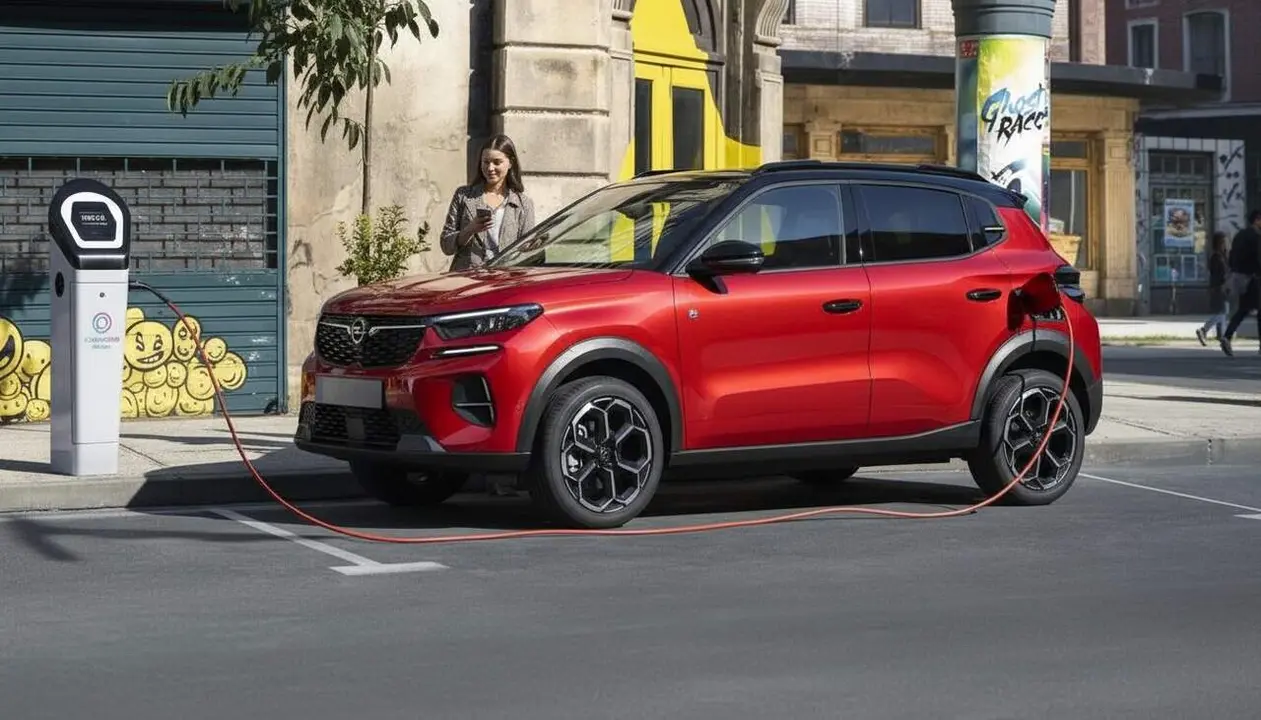

If you think the range of small electric cars is more of a dream than a reality, you are not alone. Many urban models, under 4 meters long, are sold as the ideal solution for the city but end up leaving you wanting more when the battery runs low.
The Catalan brand Ebro wanted to make noise, announcing a new electric urban car that promises to break this pattern. But before handing you the city keys with a 100% electric vehicle, it is worth understanding the reality hidden behind these small but great vehicles.
The challenge of range in urban electric cars
Size and battery limitations
Urban electric cars, normally under 4 meters, have a problem: their size limits the battery capacity. It’s like trying to put a Formula 1 engine inside a toy carriage. This means the range is tight, often under 300 km, a figure that, while it may seem sufficient, in reality falls short for many daily trips or unexpected getaways.
Manufacturers and their responses
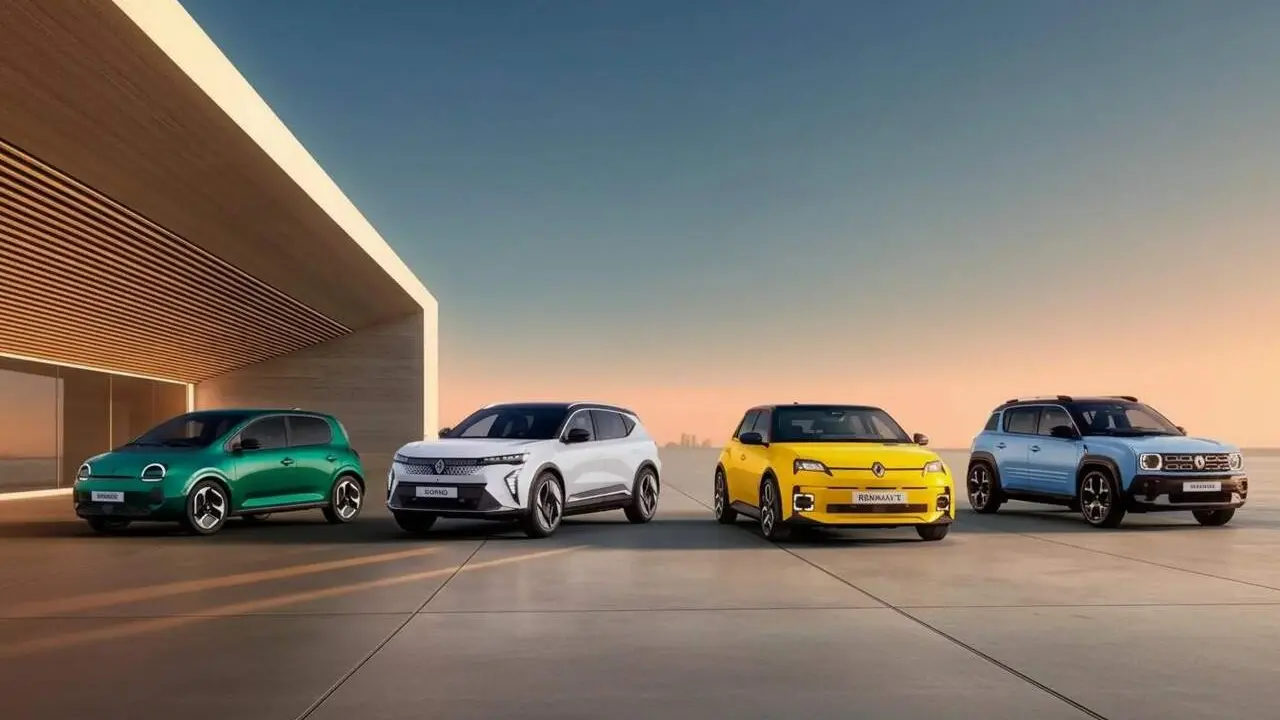
Brands like Ebro, Renault, and Nissan are betting on improving this offer. For example, the Renault 5 E-Tech or the Nissan Micra offer versions with batteries up to 52 kWh to stretch this range to about 400 km, but not everyone can afford models with these figures and prices. The battle between price, size, and range is still not won.
The 13 models setting the standard in the city
From the Abarth 500e to the Renault Twingo: diversity and limitations
This list of 13 small electric cars, ranging from the Abarth 500e (3.67 m, 154 HP, 7 seconds 0-100 km/h) to the new Renault Twingo (3.79 m, 82 HP, 263 km range), shows a shared reality: the vast majority do not exceed 320 km of certified range.
Others with good figures are the Alpine A290 (220 HP, 380 km), the Fiat Grande Panda, or the Mini Cooper SE with up to 400 km. But if you think this is enough for daily use, keep in mind that in summer or winter the figure can go out the window.
Key features and charging options
The models have batteries ranging between 23.7 kWh and 52 kWh, with power from 45 to 258 HP. DC fast charging is a common feature, with speeds that can reach 85 kW, but it must be noted that most only allow charging in 20-40 minutes to recover real range.
Advantages and practical restrictions in daily life
Benefits of the Zero label and aid plans
The DGT Zero label is a great incentive for these vehicles, facilitating access to low emission zones, free parking, or tax discounts. The Auto+ Plan also allows many of these models to have competitive prices, despite the technology they carry.
But where is the catch?
The main problem is the insufficient range for many users, which makes these cars more suitable for very specific urban trips, not for intensive daily use or longer journeys. This means that, even though the new generation is a big improvement, many drivers will still need more range or larger models.
| Model | Length (m) | Power (HP) | Range (km) | Approximate Price (€) |
|---|---|---|---|---|
| Abarth 500e | 3.67 | 154 | ? | ? |
| Alpine A290 | 3.99 | 220 | 380 | ? |
| BYD Dolphin Surf | 3.99 | 88-156 | 322 | ? |
| Citroën ë-C3 | 4.01 | 113 | 200-320 | ? |
| Dacia Spring | 3.73 | 45-65 | 225 | ? |
| Fiat 500e | 3.63 | 90-118 | 190-320 | ? |
| Fiat Grande Panda | 3.99 | 113 | 320 | ? |
| Hyundai Inster | 3.82 | 97 | 327-370 | ? |
| Leapmotor TO3 | 3.62 | 95 | 265-395 | ? |
| Mini Cooper SE | 3.89 | 184-258 | 300-400 | ? |
| Nissan Micra | 3.97 | 120-150 | 326-415 | ? |
| Renault 5 E-Tech | 3.92 | 120 | 312-400 | ? |
| Renault Twingo | 3.79 | 82 | 263 | 19,500 |
The reality is that this new generation of urban electric cars is a step forward, but there is still a way to go before they can adapt to the real daily challenges without leaving anyone stranded in the city or on the road.