Like Maserati in Modena, 6 cars are made per day without robots
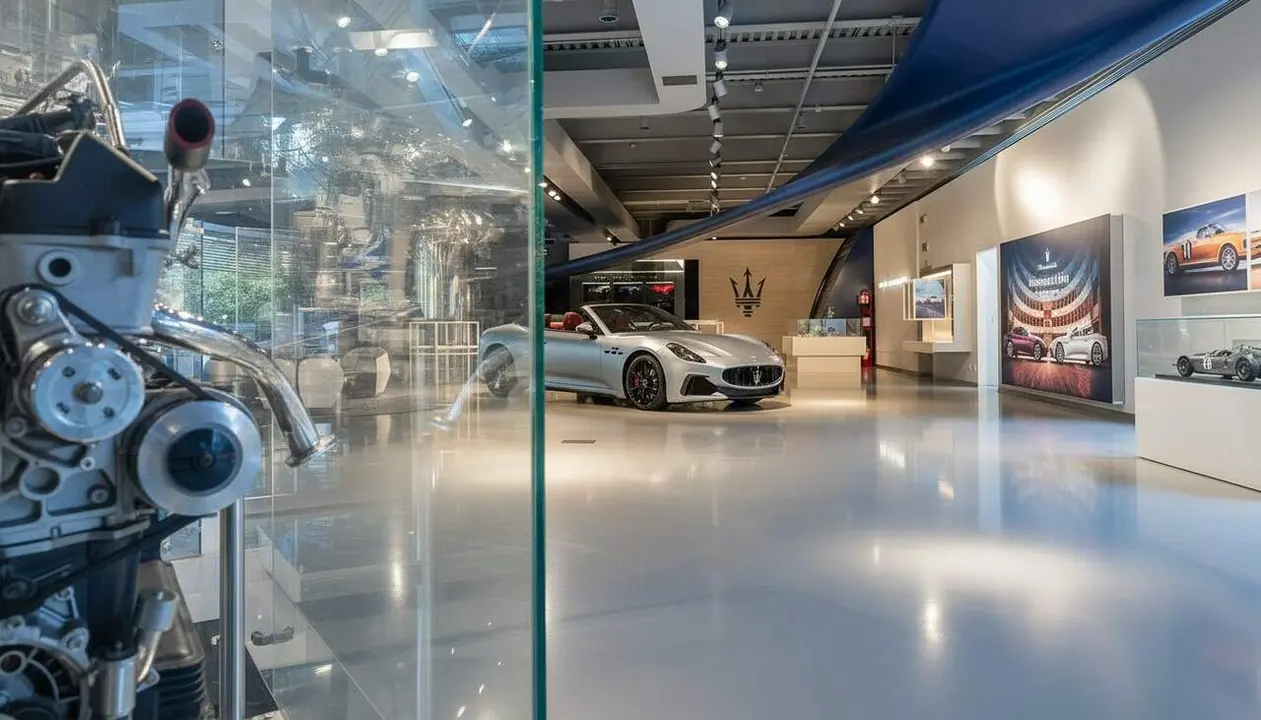

In the heart of Emilia-Romagna, the Maserati factory in Modena is no ordinary place. While other brands rush into mass production, Maserati maintains an almost meditative pace: six super sports cars a day, no more.
Sounds like little? Well, that adds up to about 2,000 cars a year, cared for by 600 employees who refuse to let a robot touch a single part.
The Maserati factory in Modena
What makes this plant special is the wide presence of craftsmanship labor. Robots are not there for assembly, but only to help move parts and support specific tasks. Thus, the process of assembly, customization, and quality control is done by hand, piece by piece.
The chassis arrive semi-finished from Turin, specifically from the Mirafiori plant, and there, in Modena, the magic begins. Each vehicle becomes a unique piece, adapted not only to the client’s wishes but also to the traffic regulations of the country where it will arrive.
Models produced at the factory
The range living in Modena is as selective as it is limited. Among the five models made there are the Maserati MC20, MC20 Cielo, GT2 Stradale, GranTurismo, and GranCabrio. They are not just cars; they are works of art on wheels, favoring the human touch over mechanical coldness.
A pace that speaks of exclusivity
Producing only six units daily is no coincidence. This strategy preserves the mystique of the brand and prevents luxury from being diluted in quantity. It also explains why each Maserati is a story on its own.
The centenary legacy of the Trident
2026 is no ordinary year for Maserati. On the occasion of the 100th anniversary of its emblematic logo, the Trident, the brand recalls its roots in the world of competition and its winning essence.
The Trident made its debut a century ago, when Alfieri Maserati won the Targa Florio with the Tipo 26 on April 25, 1926. This icon not only represents a brand, but a legend that lives and breathes in Modena.
The Trident as a symbol
According to Santo Ficili, Maserati’s COO, the Trident is the «most authentic soul» of the company, combining historic victories, iconic models, and technical milestones. This way, the legacy of the firm remains alive, which in 2026 also celebrates 112 years of existence.
Celebrations and future
Throughout the year, Maserati will project this anniversary in sporting and cultural events around the world, reaffirming itself as a ambassador of Made in Italy and a reference for artisanal and exclusive automotive.
The magic of manufacturing without robots
In a sector where almost all production is dominated by robots, Maserati challenges the norm with a model centered on manual manufacturing. This implies a slower pace but an attention to detail that no robot could match.
The factory workers are artisans who dedicate hours to each car, adjusting it to the specifics of each client and ensuring each part fits perfectly.
Advantages of craftsmanship
- Total customization according to tastes and market regulations.
- Extreme quality control with constant human intervention.
- Uniqueness of each vehicle, making no two alike.
Challenges of the model
Producing without robots also means capacity is limited. This maintains exclusivity but makes prices high and manufacturing a much slower process than in other brands.
But, as automotive expert Carlo Moretti says, «this artisanal model is the reason Maserati still provokes sighs worldwide».
The reality is that the Maserati factory in Modena is an example of how tradition and technology can coexist without losing the magic of craftsmanship.