Renault Captur LPG April offer: SUV with 1,400 km range
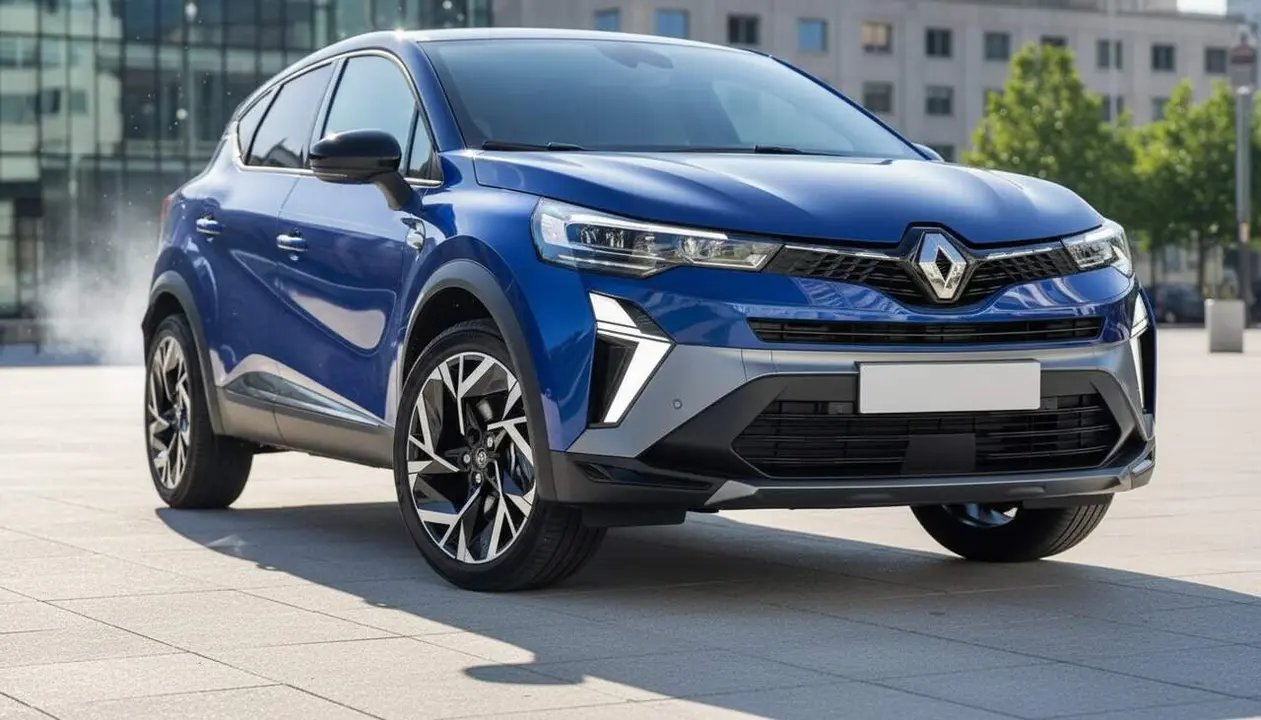

If you’ve ever wondered how brands can keep up in the sustainable vehicle race without leaving you stranded, the Renault Captur LPG has a pretty clear answer. It’s not fast nor does it aim to be, but its 120 HP and 200 Nm torque engine shows that the most logical isn’t always the most spectacular.
With a six-speed manual gearbox and a top speed of 180 km/h, this small SUV positions itself as a practical alternative with an ECO badge that still holds value on the street, especially for those who don’t want to give up autonomy.
Renault Captur LPG: the unexpected alternative
Instead of following the crowd towards fully electric, Renault bets on an SUV with an engine that combines gasoline and LPG, which allows for a total range of up to 1,400 km. Now that’s traveling without worrying about the plug.
The 1.2 turbo three-cylinder engine has gained 20 HP and 30 Nm compared to the previous generation, making this Captur an SUV that adapts well to daily life, not a speedster, but with enough punch to avoid feeling like a boring ride.
⛽ Combined consumption: LPG + gasoline
💶 Starting price: €20,313
🏁 0–100 km/h: 12 seconds
Why LPG?
Because it’s a fuel that allows you to get the ECO badge without going through the electric charging box or the very high cost of hybrids. And because in an urban SUV, practicality is key.
The key is to make sure you don’t run out of range once the battery says no more, and Renault has understood this better than many.
Equipment and purchase conditions
For €22,225 cash (or €20,313 with an offer), you can take home the Evolution trim, which isn’t the most advanced but has just what’s necessary: 17" wheels, LED headlights, rearview camera, cruise control, and 7- and 10.4-inch digital screens respectively.
There’s also the option to finance it for €115 per month, an offer that makes the Captur LPG even more attractive for those who don’t want complications or surprises.
Comparing alternatives within the small SUV segment
Peugeot 2008 and MG ZS hybrid
If the LPG formula doesn’t convince you, you have the Peugeot 2008 for €21,080 with a sportier style but less range than the Captur. The MG ZS hybrid, meanwhile, drops to €19,840, but its ECO badge isn’t quite on par with the French models.
Hyundai Kona and Kia Stonic
The Hyundai Kona, at €23,590, opts for a mild hybrid with lots of equipment, while the Kia Stonic, sales leader, sits at €19,090 with a similar offer but a less powerful engine.
| Model | Price (€) | Power (HP) | Badge | Range (km) |
|---|---|---|---|---|
| Renault Captur LPG | 20,313 | 120 | ECO | 1,400 |
| Peugeot 2008 | 21,080 | 130 | ECO | Less than 1,000 |
| MG ZS hybrid | 19,840 | 125 | ECO | Less than 1,000 |
| Hyundai Kona | 23,590 | 150 | ECO | Around 1,000 |
| Kia Stonic | 19,090 | 120 | ECO | Around 1,000 |
Who is this Renault Captur LPG for?
Ideal for those who don’t want to worry about chargers
If you’re someone who still looks at electric vehicle infrastructure with suspicion and prefers a car that lets you cover kilometers without thinking about charging points, this Captur is for you.
Practical with an ECO badge and competitive price
With an initial cost of €20,313 and an offer that allows you to pay €115 monthly, Renault puts an urban SUV with an ECO badge and more than enough performance for city and highway within many people’s reach.
The Renault spokesperson in Spain, in a recent interview, reminded us that "not everyone needs an electric car; sustainability also comes through practical and affordable options".
And the DGT has also put effort into clarifying the importance of the ECO badge for discounts and access to regulated zones, making this Captur a very attractive candidate for many drivers.
The reality is that, faced with the excess of forced electrification, Renault offers an alternative with a balance that more than one would want to consider. The flashiest isn’t always the most useful.