How to prepare for the total solar eclipse in August: essential guide

The total solar eclipse on August 12 is imminent and it is no ordinary phenomenon: the moon will completely cover the Sun, changing the light and the behavior of nature in a unique spectacle. This is an opportunity that does not come every day, but observing it without preparation can be dangerous.
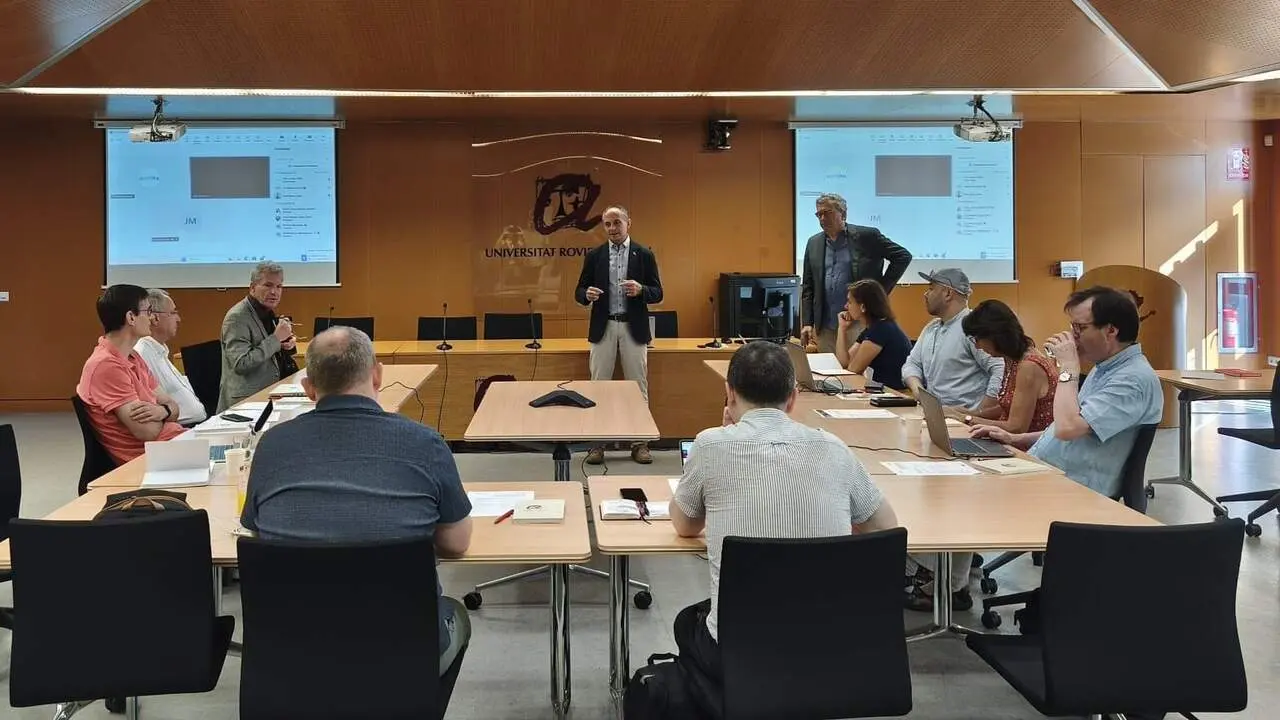
The Rovira i Virgili University prepares the population with practical workshops and guided observations, especially from its Catalunya campus, to help live the experience safely and knowledgeably. These activities are key to planning where and how to look at the sky on the day of the eclipse.
What will happen during the total solar eclipse?
Details of the phenomenon
As the Moon moves in front of the Sun, the light will change tone, the temperature will drop, and animals will behave as if it were night. The most awaited moment arrives just before totality, when the Baily’s beads appear: points of light filtering between the lunar mountains, flickering like a spark.
Then, the diamond ring can be observed — the Sun completely covered except for a bright spot — and the solar corona surrounding the dark disk, as well as some bright stars that dare to appear.
Why is it a unique moment?
The eclipse is quick and fleeting. Totality lasts only a few minutes, and observing it correctly requires respect for safety, as looking directly at the Sun without protection can cause irreversible damage.
This fleeting beauty, combined with the risks, makes preparation more than recommended: it is mandatory.
How to prepare the observation with URV
Practical workshops and simulations
URV has launched a series of activities, including the recent workshop at the Catalunya campus where experts explained to nearly 50 people how the eclipse works and how to observe it safely.
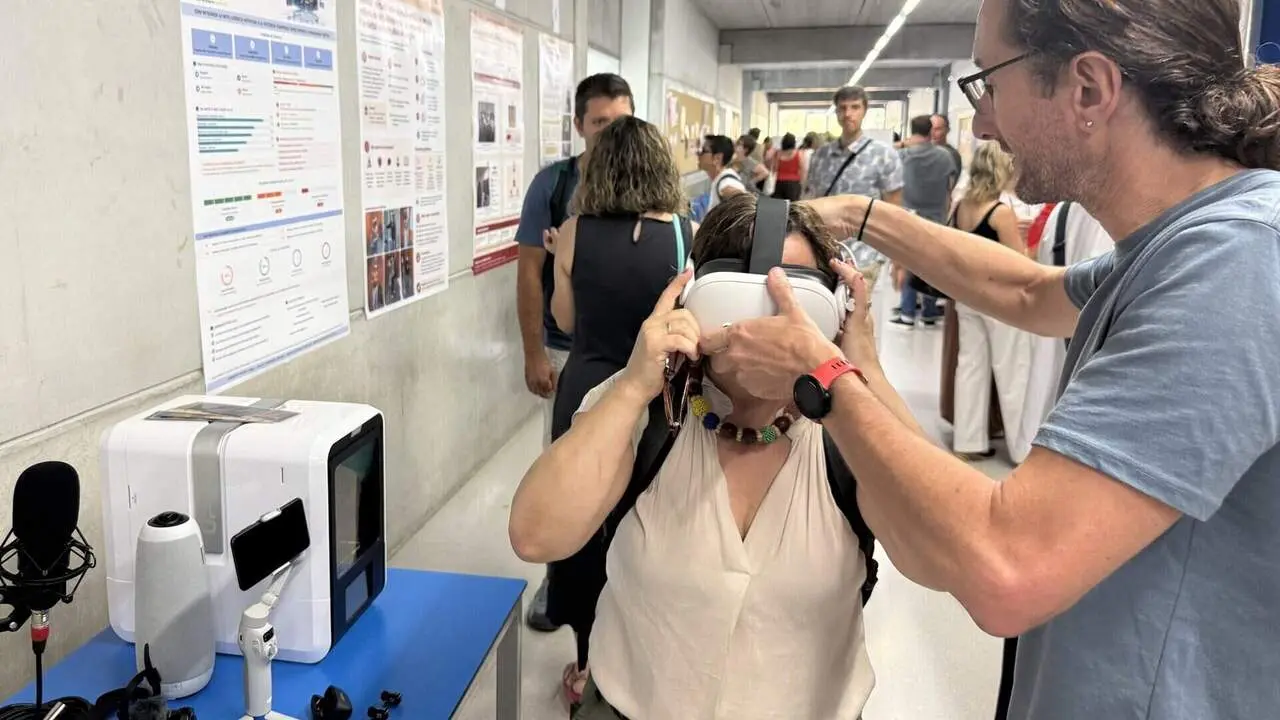
They have installed a telescope adapted and connected to a screen to see the Sun without looking at it directly. They also conducted a simulation progressively blocking the telescope’s aperture, helping to understand the phases and the need to protect oneself at each moment.
Prior planning: the key to success
The days before are ideal for testing the position of the Sun on the horizon between 8:20 and 8:25 PM, a moment very similar to that of the eclipse. This allows verifying if the chosen location has a clear view or if there are obstacles that would prevent it.
URV facilitates this planning through its dedicated website, which details workshops, activities, and advice to not fail on the day of the phenomenon.
Activities and resources for everyone
Open observations and workshops
During the key week, guided observation sessions open to the public are organized. These are opportunities to enjoy the eclipse with experts accompanying, answering questions, and ensuring the experience is safe.
Moreover, the university community and the public can follow the entire agenda on the official eclipse page, which collects all the necessary information.
Keys to observing safely
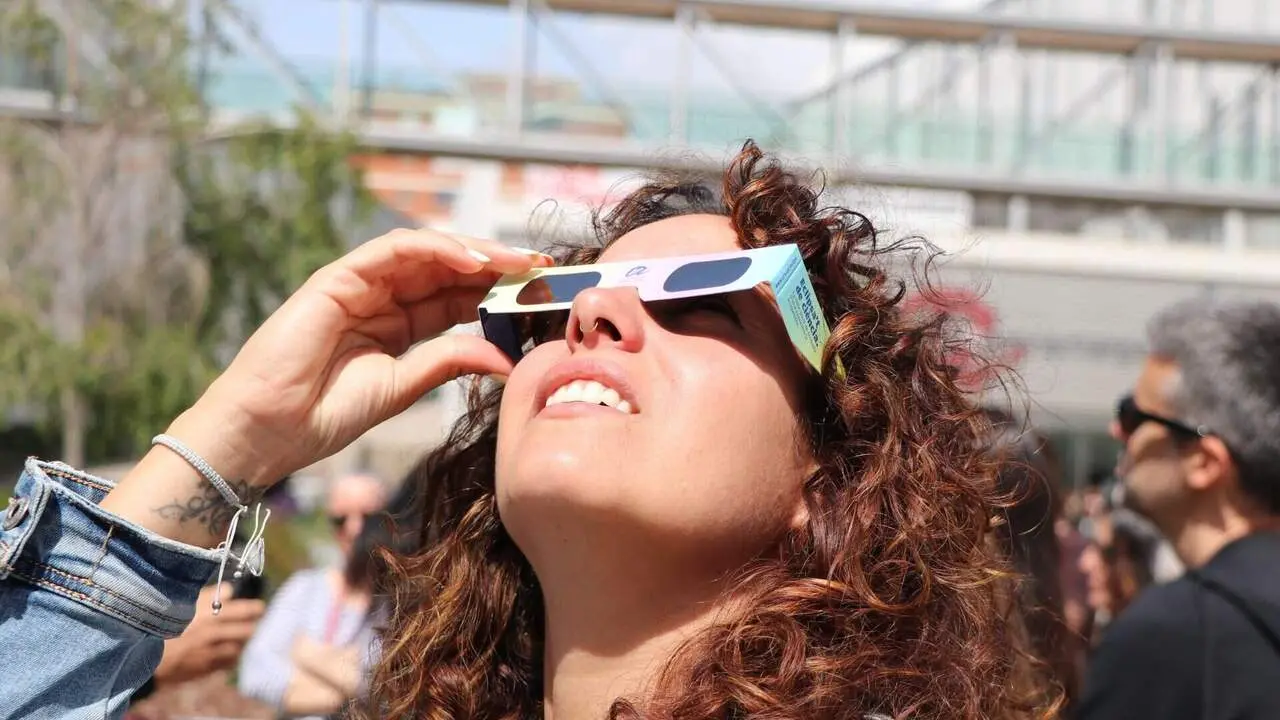
- Never look directly at the Sun without approved protection.
- Use specific solar filters or adapted telescopes.
- Do not use improvised methods like dark glasses or common sunglasses.
- Follow the guidance of experts and institutions.
By following these steps, the eclipse will cease to be a mystery and become a safe and unforgettable spectacle for everyone.
URV’s activities not only explain what will happen but also help us not to miss a second of this moment which, despite its beauty, requires careful preparation.
Source of the article: Rovira i Virgili University