The DGT fines one in three drivers, a new record for Pere Navarro


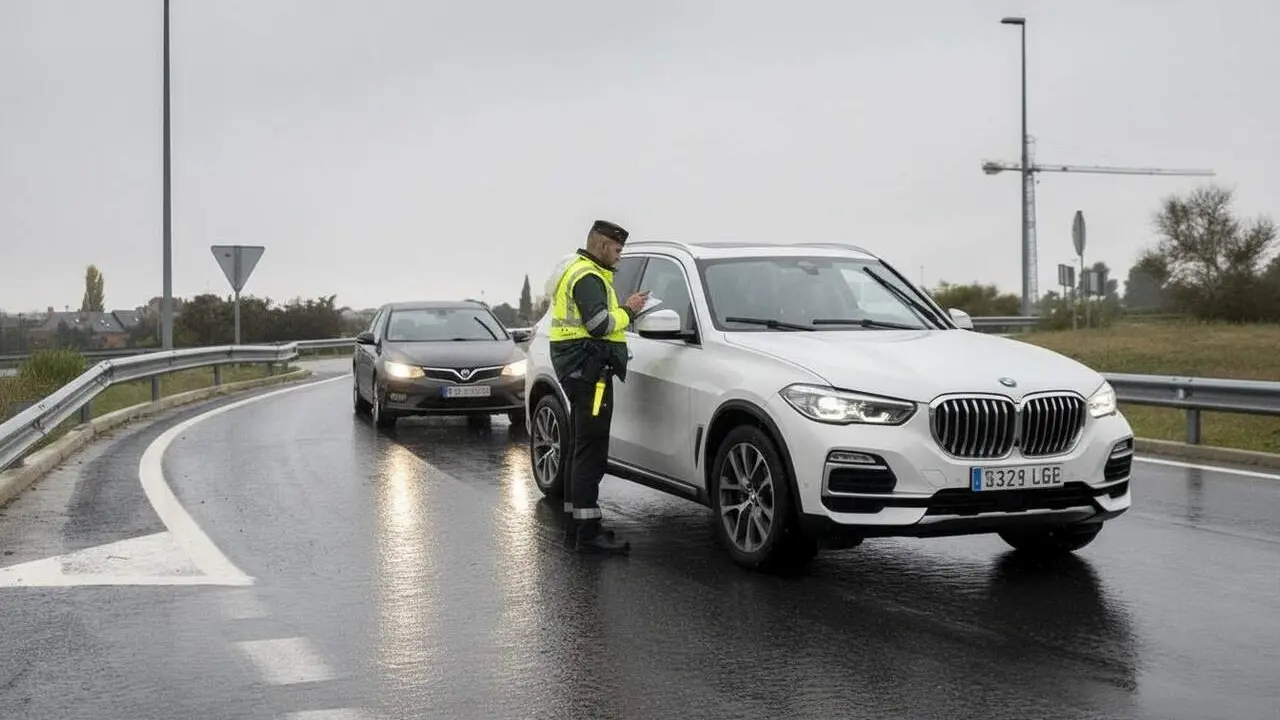
If you have ever felt that the DGT seems to have an invisible radar to catch any small slip-up, you are not alone. This 2026, director Pere Navarro has once again pushed the fine numbers through the roof, and this is no joke.
Because, imagine that one out of every three drivers on the road receives a fine this year. Yes, you read that right: one out of three. And this not only means that patience on the road is running out, but wallets are also taking a hard hit.
The DGT’s record number of fines and the inflation of controls
The General Directorate of Traffic doesn’t want this to be widely known, but the data is clear: fines and revenue keep growing. With an average cost per fine of about 100 euros, the DGT could surpass 600 million euros this year, a figure that makes heads spin.
But don’t be mistaken, it’s not just about the money. Behind this increase is a constant rise in controls and radars, which don’t always distinguish between a major offender and the driver who has simply gone a few kilometers per hour over the limit.
The power of radars and controls
Road controls are not only more frequent but also stricter. This means that any speeding, however small, can end up with a fine. The result? Many drivers find themselves caught by details that used to go unnoticed.
The hidden face of revenue
DGT director Pere Navarro has admitted that the revenue is not directly reinvested in road maintenance, a fact that leads many drivers to see these fines as a tax rather than a safety measure.
Types of fines that prevail
If you think the penalties are varied, the majority (2 out of 3) are for speeding. It’s no surprise: when you have radars everywhere, you don’t have to be very brave to slip up. Following that, fines related to documentation, especially the ITV inspection, also carry significant weight.
With approximately 16 million active driver’s licenses in Spain, it’s easy to imagine a genuine flood of fines this season.
Speed: public enemy number one
The statistics speak clearly: speeding is the leading cause of fines. But the DGT does not always identify the driver, which complicates matters further for those who receive these penalties.
The documentation trap
ITV and other document checks are a classic. Many drivers neglect these details and end up with fines that, while less spectacular than a speeding ticket, add up and increase total revenue.
Fines: tax or safety?
The pressure on drivers is higher than ever, but paradoxically it doesn’t seem to catch the major offenders who really endanger road safety. What is often sanctioned are small slips, like going 10 or 15 km/h over the limit.
The feeling for many drivers is that these fines are a hidden tax, an almost inevitable expense that must be faced when taking the car. And this fuels frustration and distrust toward a system that seems more interested in revenue than in real prevention.
The big offenders, out of reach?
Pere Navarro and the DGT admit that pursuing the most serious offenders remains a challenge. Radars and controls mostly catch minor speeding, but those who really play with safety at high speeds continue to evade sanctions.
The perception of drivers
Many drivers no longer see fines as a safety warning, but as a fixed cost. It’s the new road toll, and this doesn’t help people respect the rules voluntarily, but out of fear of losing money or points.
The reality is that the DGT has set a historic record with one out of three drivers fined and more than 600 million collected. The questions left on the table are: how long will this pace hold and what will truly change safety on the roads?