
Juan José reignites the debate: gasoline always less efficient than diesel
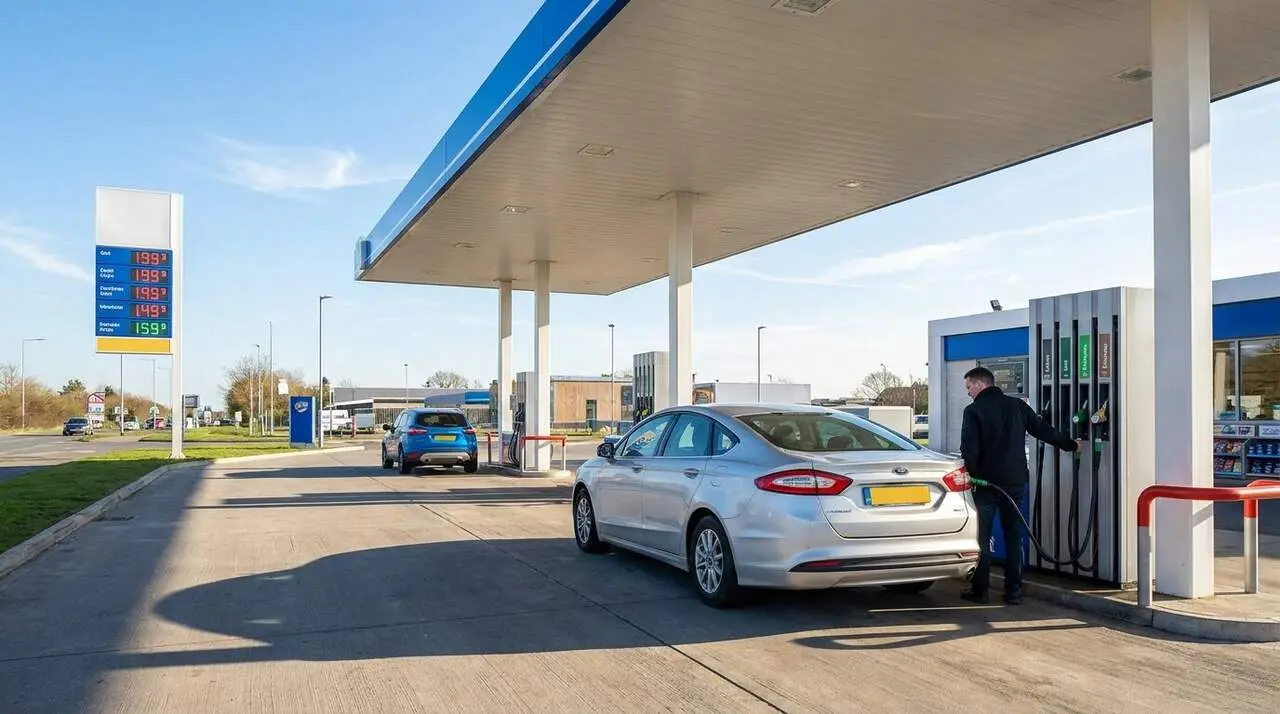

When we talk about engines, the debate between gasoline and diesel becomes a classic that never goes out of style. But, have you ever wondered why it seems like everyone has a different opinion? The mechanic Juan José has added fuel to the fire with a perspective that leaves no one indifferent.
With data and experience in hand, Ebenezer reminds us that not everything is black or white
Diesel and gasoline engines according to Juan José Ebenezer
According to the mechanic, although today gasoline is cheaper than diesel, gasoline cars consume more fuel. And it’s not just a perception: you can travel more kilometers with one liter of diesel than with one liter of gasoline. This means that, in terms of energy efficiency, diesel still holds the crown.
But it’s not that simple: diesel engines are more complex because they require compressing the air inside the cylinder more to extract energy, which increases both their manufacturing and maintenance costs.
Gasoline, the queen of speed
On the other hand, gasoline has a clear advantage: it detonates faster, allowing for lighter and more agile engines. In fact, competition and high-power engines are almost always gasoline because their immediate response is key to achieving extreme performance.
Complexities and costs
Diesel engines, despite being more efficient, incorporate more anti-pollution systems and therefore are more expensive to repair. This means that the total cost is not limited to consumption alone, but the balance shifts according to usage and maintenance.
Gasoline or diesel: which one is really better?
Juan José has no doubts: "Under equal conditions, a gasoline engine will always be less efficient than a diesel engine." So if you want to save kilometers, diesel seems to win by a landslide.
But it’s not all about efficiency: the mechanic emphasizes that each engine is designed for a different use. For example, gasoline is ideal for urban driving or sporty power, while diesel is the best option for covering many kilometers on the highway.
Factors you can’t ignore
But here comes the key point: it’s not just the type of fuel that matters, but also the specific engine and the manufacturer. Not all diesel engines nor all gasoline engines are the same, and technological innovations can change the rules of the game.
The debate that never ends
With this data, it’s clear that the debate gasoline vs diesel doesn’t have a single verdict. Although, as Ebenezer says, gasoline will never be as efficient, it is also lighter and suitable for certain driving styles.
Practical tips for choosing an engine according to Juan José
If you’re still unsure, here’s a practical summary: if you drive many kilometers on the highway or freeway, diesel is your option. However, if you drive mostly in the city or seek sporty power, gasoline will be more suitable.
Other factors must also be taken into account, such as engine technology or the brand, which can influence more than you imagine.
Maintenance and hidden costs
Remember that diesel engines usually have higher maintenance costs due to the complexity of their anti-pollution systems. This can cause your budget to be more affected than you expected.
The influence of the market
Finally, fuel prices vary and currently gasoline is cheaper, but that doesn’t mean it’s always more economical. Energy efficiency and usage are what really make the difference.
The debate that Juan José Ebenezer has reignited is as alive as ever, but now you have more data to decide. Gasoline or diesel? The answer depends on you, how you drive, and what you are really looking for.