Windows 11 is free of AI: Microsoft removes Copilot
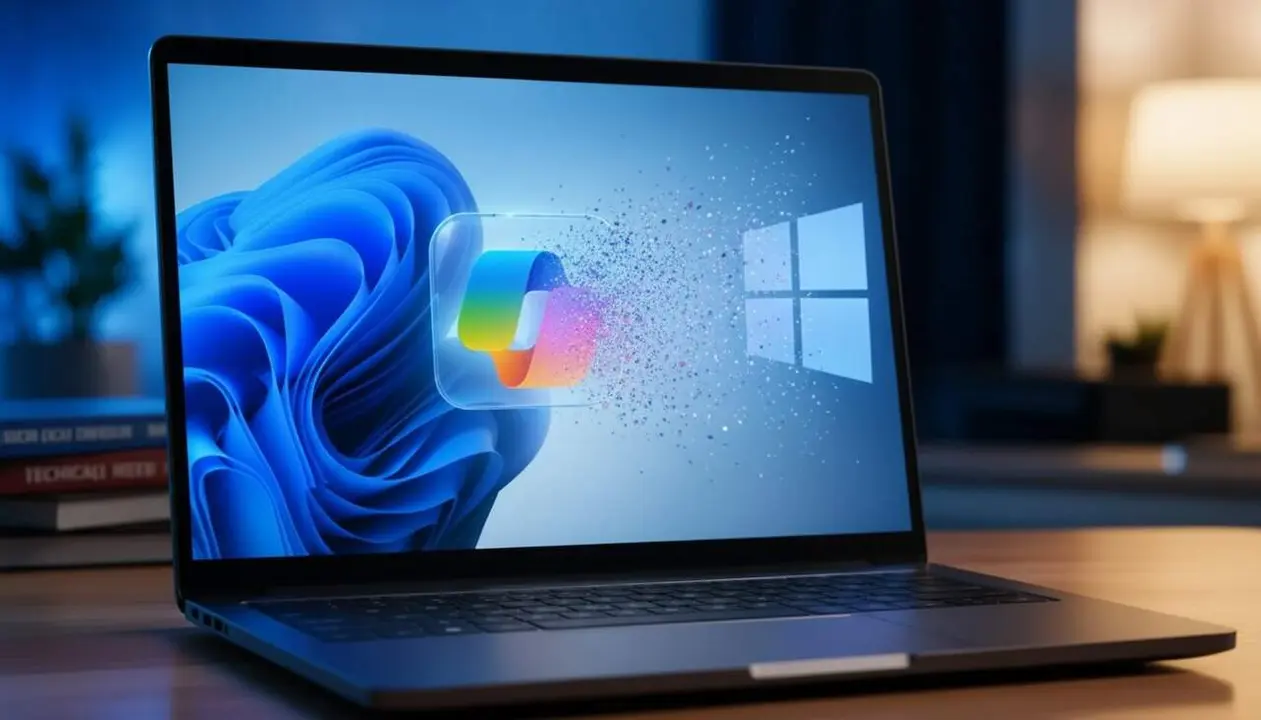

Imagine that a tool that promised to make your life easier on the PC has become a constant headache. This is what happened with Copilot, the AI integrated into Windows 11 that Microsoft has decided to remove from all those functions that do not provide real value.
Microsoft has listened to users and has backtracked by removing the most invasive and unnecessary parts of its artificial intelligence. This change marks a before and after in its strategy and could change the way we use Windows 11.
The removal of Copilot in Windows 11
The functions removed and why
For months, many users expressed their rejection of Copilot’s excessive presence in Windows 11. This AI had been integrated into system settings, native applications, and experimental features, but many of these tools were perceived as imposed and not very useful.
The main problems were high resource consumption, system slowdown, and concerns about privacy and data collection. Microsoft has begun removing direct accesses and components related to Copilot in specific applications to lighten the system and improve the experience.
Name changes and branding
The functions that will remain will no longer carry the "Copilot" brand. Microsoft is opting for simpler names less associated with the aggressive AI marketing strategy, a gesture aimed at distancing from an image that has generated distrust among users.
This change in naming intends for AI features to be perceived as optional and useful tools, not as impositions that hinder the daily use of the system.
Recall: the most controversial AI-driven feature
What is Recall and why it caused controversy
Do you remember that feature that constantly captured images of your activity on the PC? That was Recall, an AI-based tool that generated a navigable history of everything you did in Windows 11.
Although Microsoft defended it as a productivity improvement, security and privacy experts warned of the inherent risk in automatically storing sensitive data like emails, documents, and passwords.
Reaction and postponement
The strong negative reaction forced Microsoft to postpone the launch of Recall and to review its functionality to avoid privacy issues. This controversy was a turning point that influenced the slowdown of the massive AI push in Windows 11.
A clear lesson: not everything possible with AI is well received by users, especially when it affects their privacy.
The future of AI at Microsoft and Windows 11
A more selective and discreet approach
Microsoft is not abandoning AI, but it is putting it to the test. The company maintains a strong collaboration with OpenAI and invests millions in this technology, but now it chooses to integrate it into tools where it truly adds value.
This means less imposition and more real usefulness, prioritizing specific and well-tuned functions that improve the experience without causing annoyances.
Users, the key to the change
Finally, the voice of users played a decisive role in this strategic shift. Distrust and rejection of an AI that was too present and not very useful made Microsoft rectify.
For this reason, future integration will be more gradual, less intrusive, and aimed at facilitating work and productivity, not complicating it.
| Aspect | Before (Massive Copilot) | Now (Selective AI) |
|---|---|---|
| AI Presence | Integration in many functions and apps | Only useful and specific tools |
| Resource consumption | High and causing slowdowns | Reduced and optimized |
| Privacy | Doubts and controversy (Recall) | Review and reinforced control |
| User reaction | Many criticisms and rejection | Improved perception and acceptance |
The reality is that this correction could mark a new era for Windows 11, where technology better adapts to real needs without being an extra burden.
Users who expected AI that really helps, not annoys, have reasons to be optimistic.
The path of artificial intelligence at Microsoft is not ending; it is simply being redirected to make it more human and functional.