The secret of marmitako: the broth that Tarragona's chefs never fail at
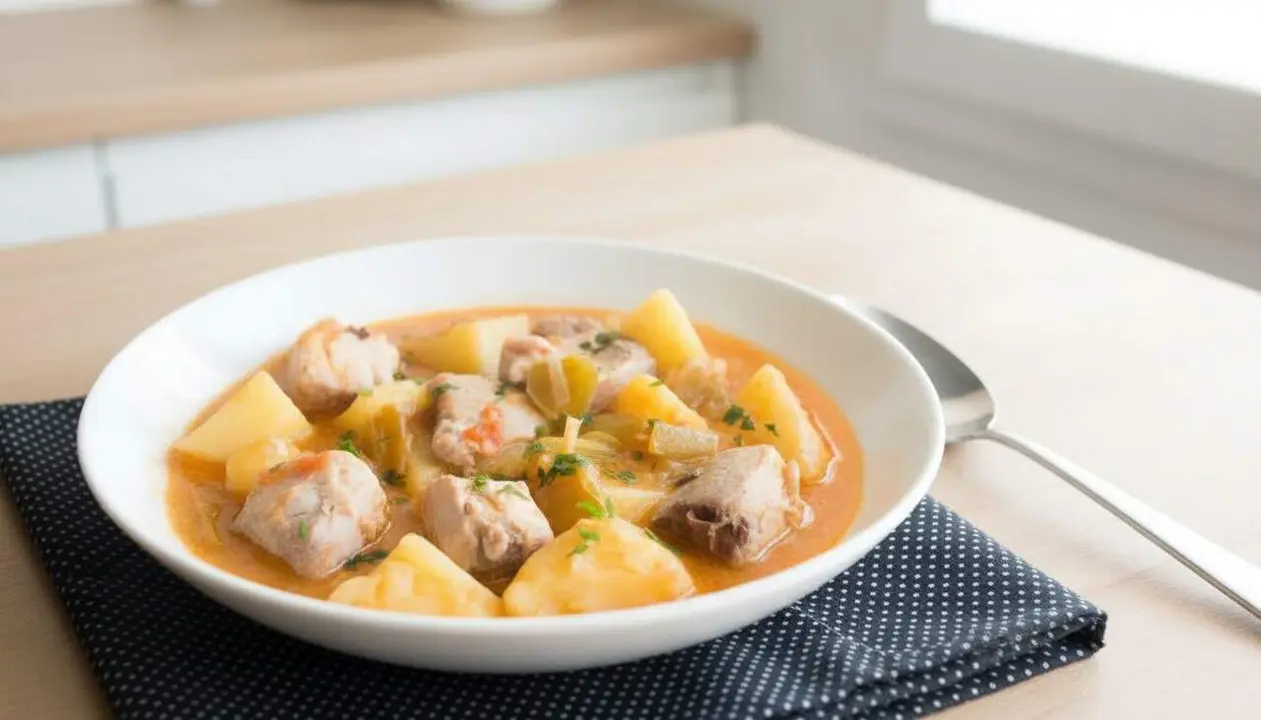

In the heart of Catalan gastronomy, preparing a marmitako may seem simple, but one of its fundamental points is often forgotten: the broth. This maritime soup, originating from the Basque Country, has found admirers and adaptations in our home, but without attention to the fumet, everything can go wrong.
Chefs from Tarragona and Catalonia agree that the most common issue is that the broth is too watery and poorly made, which dilutes the essence of the dish and diminishes the overall experience. But, what exactly goes wrong? We explain below.
The importance of the broth in marmitako according to Tarragona chefs
The broth: base of flavor and structure
Catalan culinary experts highlight that the broth is not just a cooking liquid but the foundation that provides depth and cohesion to all the ingredients. In this regard, the recommendation is clear: the broth must be made with fish bones and heads, preferably albacore tuna, to achieve an intense and concentrated fumet that brings the taste of the sea to the table.
A chef experienced on the Costa Daurada comments: "Without a well-prepared fumet, even the freshest fish loses prominence. Patience when reducing the broth is key to avoid ending up with a watery marmitako that disappoints."
Slow sofrito and local ingredients
The slow cooking of the sofrito, another key point, allows the onion, garlic, and pepper to release their full essence. According to the chefs, this step prepares the ground for the fumet to fit perfectly and the dish to gain complexity. They also insist on using local and seasonal ingredients, valuing the proximity offered by Tarragona.
In this context, the combination of a well-prepared sofrito and a homemade and concentrated fumet becomes the formula for a marmitako worthy of starred restaurants.
Most common mistakes in preparing marmitako
A watery and poorly prepared broth
The most common criticism from Catalan chefs is that water is used instead of fumet, or that the remains of the fish are not utilized to make the broth. This results in a dish without body or defined flavor. They also comment that many do not cook the broth long enough or fail to strain and degrease it properly, which negatively affects texture and taste.
A professional cook from Tarragona states that "adding the fish too early is a mistake that causes it to fall apart too much and darken the broth, losing clarity and juiciness."
Adding the fish at the correct time
Another aspect they highlight is the importance of incorporating the bonito or fresh fish at the end of the cooking. This ensures that the texture and flavor of the fish remain intact, preventing the stew from losing its personality and marine freshness.
Moreover, spices such as mild chili or xerra pepper should be used sparingly so as not to overpower the natural taste of the fish and potatoes, which are the protagonists of the dish.
Classic marmitako recipe with touches from Tarragona
⏱️ Cooking time: approximately 1 hour
🔥 Calories: 350-400 kcal per serving
👨🍳 Difficulty: medium
| Step | Instruction |
|---|---|
| Step 1 | Make a fumet with albacore tuna bones and heads and vegetables (leek, carrot, onion) for 25-30 minutes. Strain and keep warm. |
| Step 2 | Sauté the onion, garlic, and green pepper until very soft, add the flesh of the xerra pepper. |
| Step 3 | Peel and break the potatoes to release starch and add them to the sofrito, stirring for a few minutes. |
| Step 4 | Cover with the warm fumet and cook over medium heat until the potatoes are tender. |
| Step 5 | Incorporate the albacore tuna cut into large cubes only in the last 2-3 minutes so the texture remains. |
| Step 6 | Let the stew rest for a few minutes before serving to balance the flavors. |
The chefs of Tarragona show us that a marmitako with a well-prepared broth and just the right cooking times is a dish that preserves the essence of the sea and the land, a classic that never disappoints.
By the way, if you’re interested in quality cuisine, you might want to learn how Basque chefs take care of their seafood or why Spanish and Italian cooks agree on the perfect pasta. It will bring fresh ideas to your kitchen.
The reality is that marmitako is not just a matter of ingredients, but of time, respect for the fish, and above all, preparing a broth that is the backbone of the dish. Without this, the rest is just an attempt.