5 secrets of Valencian chefs to make the best traditional paella
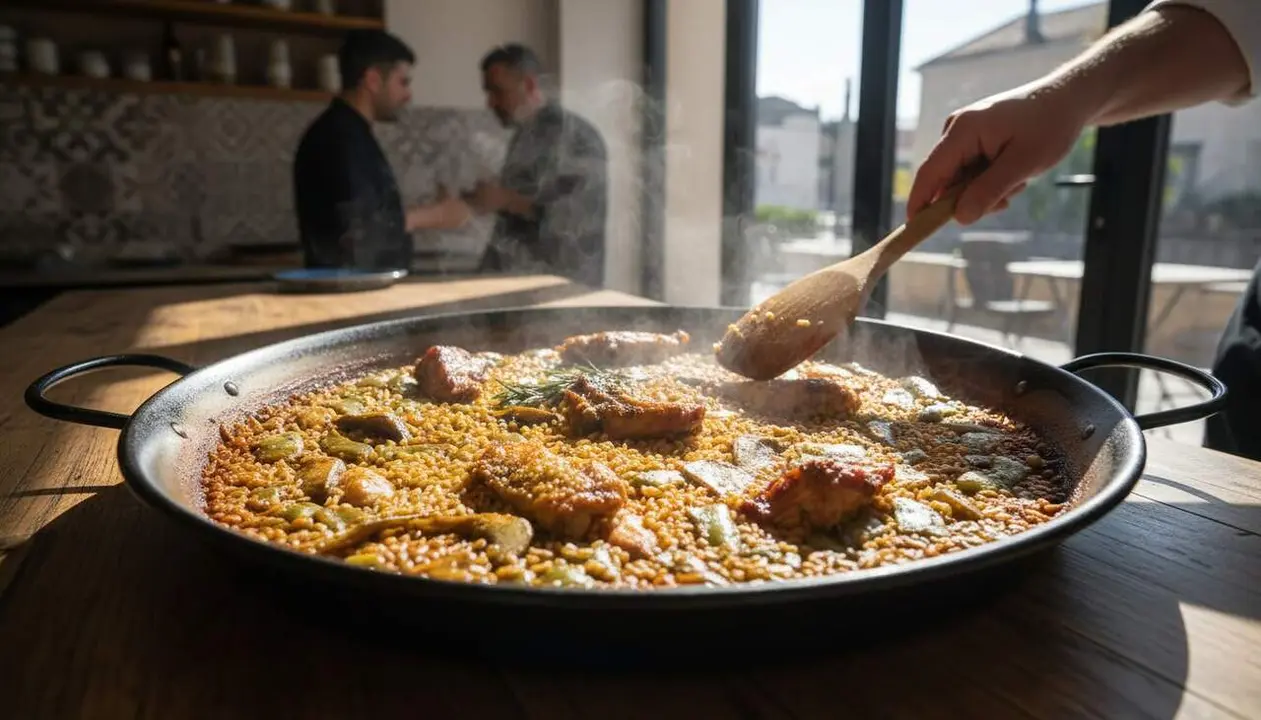

Imagine a family gathering in Valencia where paella is the soul of the celebration. This dish is not just food; it is a symbol that unites generations under the Mediterranean sun. Valencian chefs agree on one key element that makes the difference: the exact proportion of water to rice.
But, why is it so complicated? The answer is not as simple as it seems. The technique, the heat, and the ingredients come together in a ritual that only experts fully master, and today we explain how they achieve the best paella.
Basic ingredients and popular consensus
The traditional list that never fails
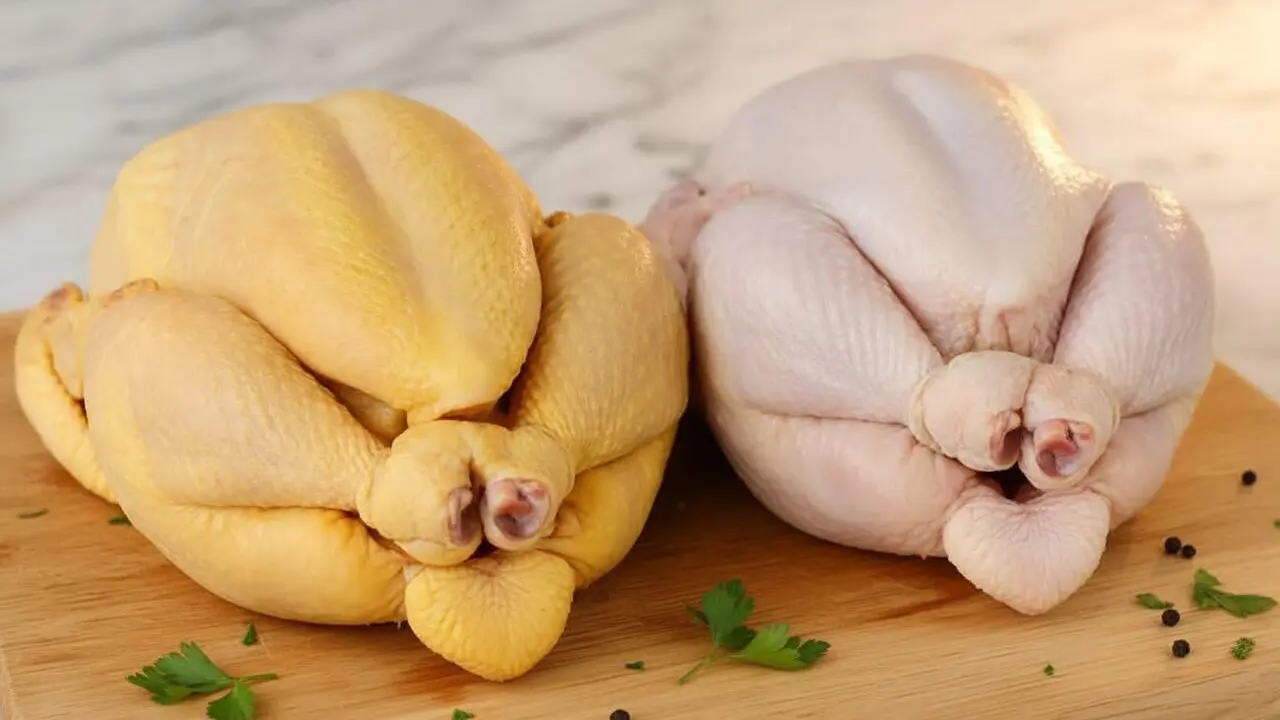
In Valencia, paella has a set of sacred ingredients: short-grain rice, chicken, rabbit, flat green beans, garrofó, tomato, olive oil, water, salt, and saffron. These bases are unchangeable for most local chefs.
Some accept small variations like eggplant or snails, but they firmly reject the use of seafood or chorizo in traditional paella. This defense of the original recipe reflects a deep respect for Valencian gastronomic culture.
The debate about additions and seasons
It is common that, depending on the season, ingredients like eggplant or snails are added, but always within a traditional framework. This shows that paella is flexible but never loses its essence. How many times have you wanted to add an extra and been stopped? Here tradition rules.
The water ratio: the art of perfect control
Between 2 and 3 parts water for every part of rice
Valencian chefs agree that the key for loose rice with socarrat is the amount of water. The most widespread guideline is to use between two and three parts water for every part of rice. This range allows the rice to absorb the liquid without becoming mushy.
But the reality is more complex: the size of the paella pan, the type of heat, and the evaporation time change the formula. These variables require constant control during cooking.
When heat becomes the protagonist
Chef Alejandro Platero, winner of the International Paella Contest of Sueca, explains that in professional kitchens, with stronger heat, the water ratio can reach up to five or seven times the amount of rice. This contrasts with home cooking but is necessary to compensate for high evaporation and achieve the concentrated broth flavor.
Moreover, this adjustment is made when preparing the broth directly in the paella, a process that lasts about 40 minutes and determines the final result.
Essential techniques for paella success
Broth preparation and final cooking
Paella begins by browning the chicken and rabbit, then the sofrito and water are added to make the broth. This is cooked over high heat until the liquid reduces to the right point. Only then is the rice added to finish cooking, ensuring the grain turns out perfect.
It is crucial to control the rice layer to be thin to guarantee even cooking and the formation of the famous socarrat with an intense heat touch at the end.
Common mistakes to avoid
The most common is adding too much water from the start, which ends in mushy rice with no texture. Also, the quality and quantity of ingredients must be watched, because every detail adds to the final flavor.
Have you ever tried to make paella and ended up with a result that didn’t resemble the original at all? This happens by not respecting these details that Valencian chefs value so much.
| Aspect | Chefs’ advice |
|---|---|
| Water ratio | 2-3 parts at home, up to 5-7 in professional kitchens |
| Basic ingredients | Short rice, chicken, rabbit, green beans, garrofó, tomato, olive oil, saffron |
| Broth cooking | 40 minutes over high heat before adding rice |
| Rice layer | Thin to ensure socarrat and texture |
Paella is much more than a dish: it is an art that Valencians care for with passion and respect. Learning its secrets, especially liquid control and cooking technique, can turn any cook into a paella master.