The Port of Tarragona, engine of southern Catalonia but in urgent need
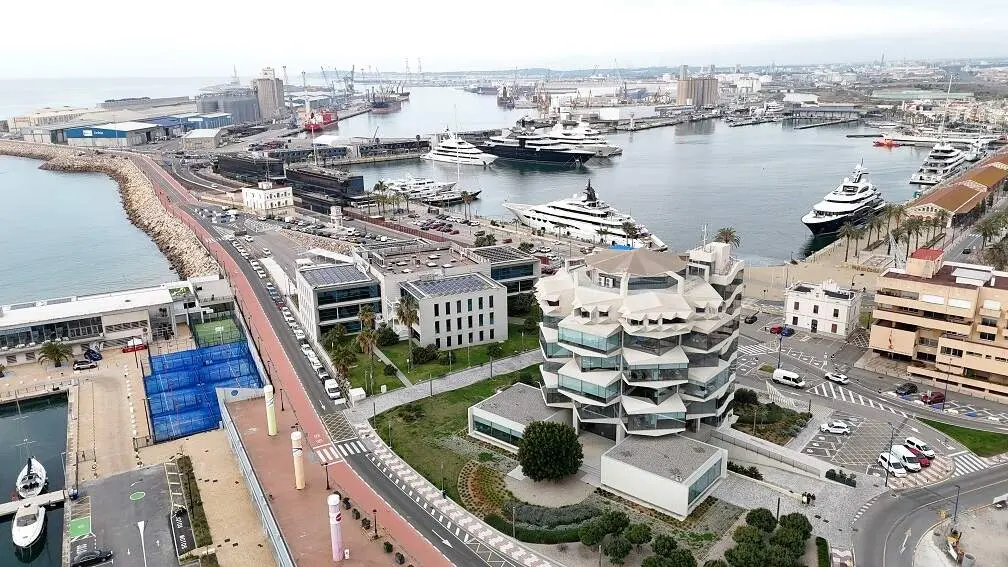

The Port of Tarragona remains key to the economy of southern Catalonia, but its dependence on liquid bulk traffic leaves it on a tightrope that demands urgent changes.
A recent study by the Rovira i Virgili University (URV) highlights that, despite moving almost 30 million tons and capturing 5.3% of national traffic, the port needs to diversify and adapt to avoid losing momentum in the Mediterranean.
An economic engine with more challenges than ever
A specialization that weighs heavily
The Port of Tarragona is one of the territory’s most powerful assets. Its strength lies in the petrochemical complex, which concentrates more than half of the activity with bulk traffic, especially liquids. But this specialization comes at a price: it limits the expansion of other types of cargo and services.
This makes the port vulnerable to market fluctuations and global changes, especially in a world that increasingly demands sustainability and economic diversification.
The future strategy: three pillars
The Chair for the Promotion of Business Innovation at URV proposes strengthening logistics, boosting reindustrialization, and betting on sustainability as cornerstones for the port’s transformation.
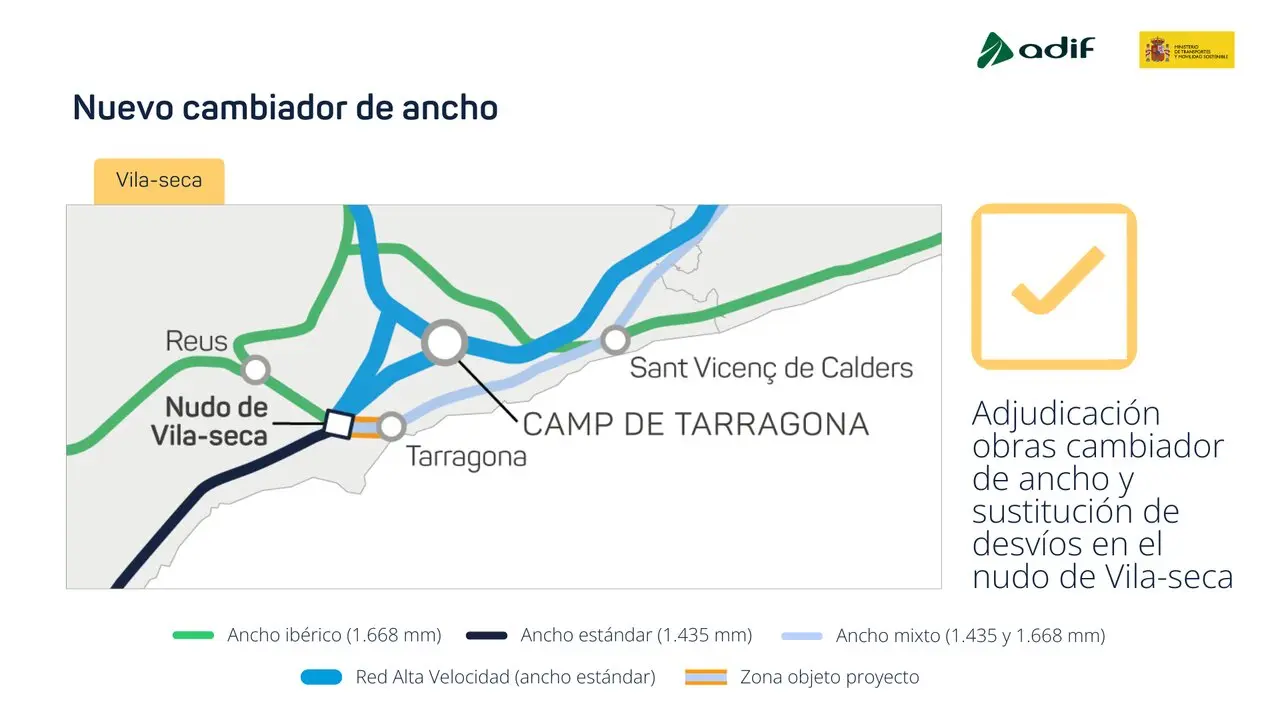
Specifically, this means improving railway connections to enhance intermodality, expanding the hinterland to capture more markets, and collaborating with the Port of Barcelona to optimize infrastructures and avoid bottlenecks.
Economic context of the Camp de Tarragona and the Terres de l’Ebre
Dynamism with shadows
The territory where the port is located maintains notable economic growth, with an increase of 46,000 employed people between 2023 and 2025 and an unemployment rate approaching 9% in March 2026.
But not everything is gold. Rising energy costs and international uncertainty test local resilience, especially because key infrastructures such as the Rodalies network and the AP-7 accumulate problems that could hinder competitiveness.
Structural inequalities and vulnerabilities
The territory suffers a high gender wage gap of 24.1%, the highest in Catalonia, and an energy dependence that puts its stability at risk in the face of external crises.
Moreover, infrastructure congestion and exposure to international markets mean that any global movement is immediately felt in the local economy.
Research and reactions: what does URV say?
Monographic report
The study prepared by the Chair for the Promotion of Business Innovation at URV, presented at the Tarragona Chamber of Commerce, analyzes in detail the role of the port and the challenges ahead.
The document highlights that the future of the Port of Tarragona depends on its ability to diversify activities, improve competitiveness, and adapt to the new economic and environmental challenges of the 21st century.
Challenges to consolidate a Mediterranean logistics hub
The port must strengthen its integration into international logistics chains, promote intermodality, and expand its area of influence.
It is also key to advance decarbonization and take advantage of cooperation with other Catalan ports to avoid duplication and create a more efficient and sustainable system.
The reality is that without this strategic shift, the port may end up losing its role as a reference in the Mediterranean, letting slip opportunities that others are already taking advantage of.
A strategic port but in need of change or to remain still and watch as the competition devours it.
Source of the article: Rovira i Virgili University