Sant Jordi 2026 in Tarragona: the books everyone looks at… but no one says why
There are two types of people on Sant Jordi: those who say “this year I won’t buy any books” and those who already have three before 11 in the morning. Neither of them is entirely honest, but both will end up with a bag heavier than expected.
The problem is not the lack of options. It is exactly the opposite: tables full, new releases that look indispensable and that awkward moment when you wonder if you’re choosing well or just improvising wildly. And yes, Tarragona also has its say, even if it doesn't always make it to the main picture.
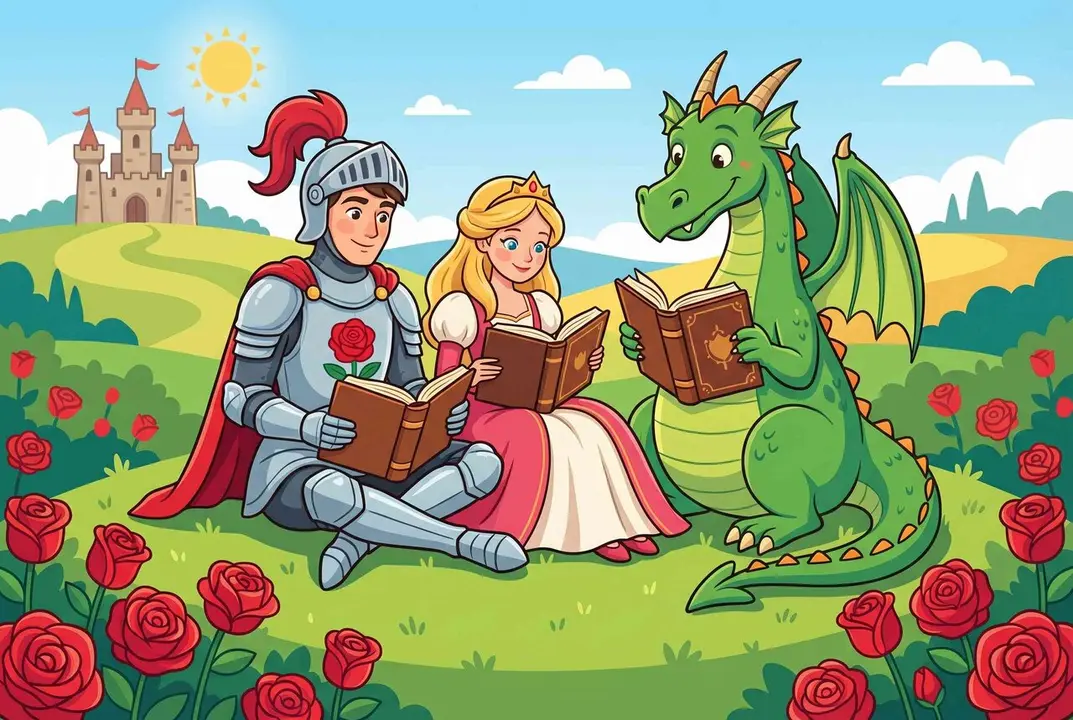

That is why this guide is not just any list. It is a way to navigate among books that have more substance than they appear to, with hometown names, Catalan voices, and translations that have come to stay. And yes, there is also room for young readers who don’t have time for boring books.
Quick index (to avoid overload at the stand)
Authors from Tarragona: literature with roots (and not just calçotades)
Not everything happens in Barcelona, although sometimes it seems that way. In the Tarragona province there are authors who have been writing consistently for years, far from the noise but very close to the reader.
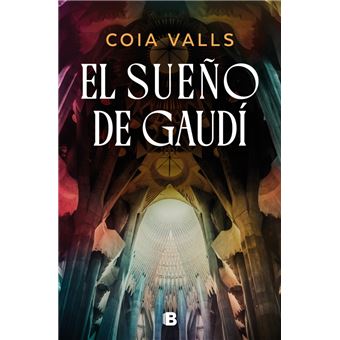
The Dream of Gaudí, by Coia Valls
An intimate look at Antoni Gaudí that escapes the myth and approaches the person. Coia Valls builds a historical novel where art, faith, and creative obsession blend naturally, without overdoing it.
Why recommend it? Because it is visual, accessible, and soulful: ideal for those who want history with emotion and a book that reads well but leaves an aftertaste. Perfect for Sant Jordi without the risk of “just a so-so gift.”
The Alchemy of Life, by Coia Valls
This is not a new release, but it is a novel about transformation, though not with cliché phrases. Here there is history, context, and characters who evolve without asking permission. It’s one of those books that don’t shout, but captivate.
Why read it? Because it is perfect to give as a gift to those who want a story with weight, without the need for artificial twists.

The Garden of Souls, by Margarida Aritzeta
A thriller rooted in the territory, published in 2024, that combines investigation, memory, and social tensions. Aritzeta builds a story where the past is never fully buried and every clue has more layers than it seems.
Why recommend it? Because it grips without cheating: pace, context, and critical outlook. Ideal for those who want a novel with intrigue but also substance. One of those you read quickly... and think about afterwards.

The Women of Linen, by Margarida Aritzeta
Published a couple of years before the novel The Garden of Souls, this story deals with memory, women, and territory. Aritzeta creates a tale linking past and present with a disarming naturalness. It is not nostalgia: it is identity.
Why read it? Because it is ideal for readers who want to feel that the book has something to say beyond the plot.
Catalan voices: books that don’t need trending topics
Catalan literature is living through a strangely interesting moment: less noise, more quality. And this, for Sant Jordi, is almost revolutionary.
Fish, by Eva Baltasar
A story that is not comfortable. And this is the point. Baltasar writes about desire and fragility with a precision that unsettles—in a good way.
Why read it? Because it is not a reading you forget. It is a reading that sticks with you for a few days.

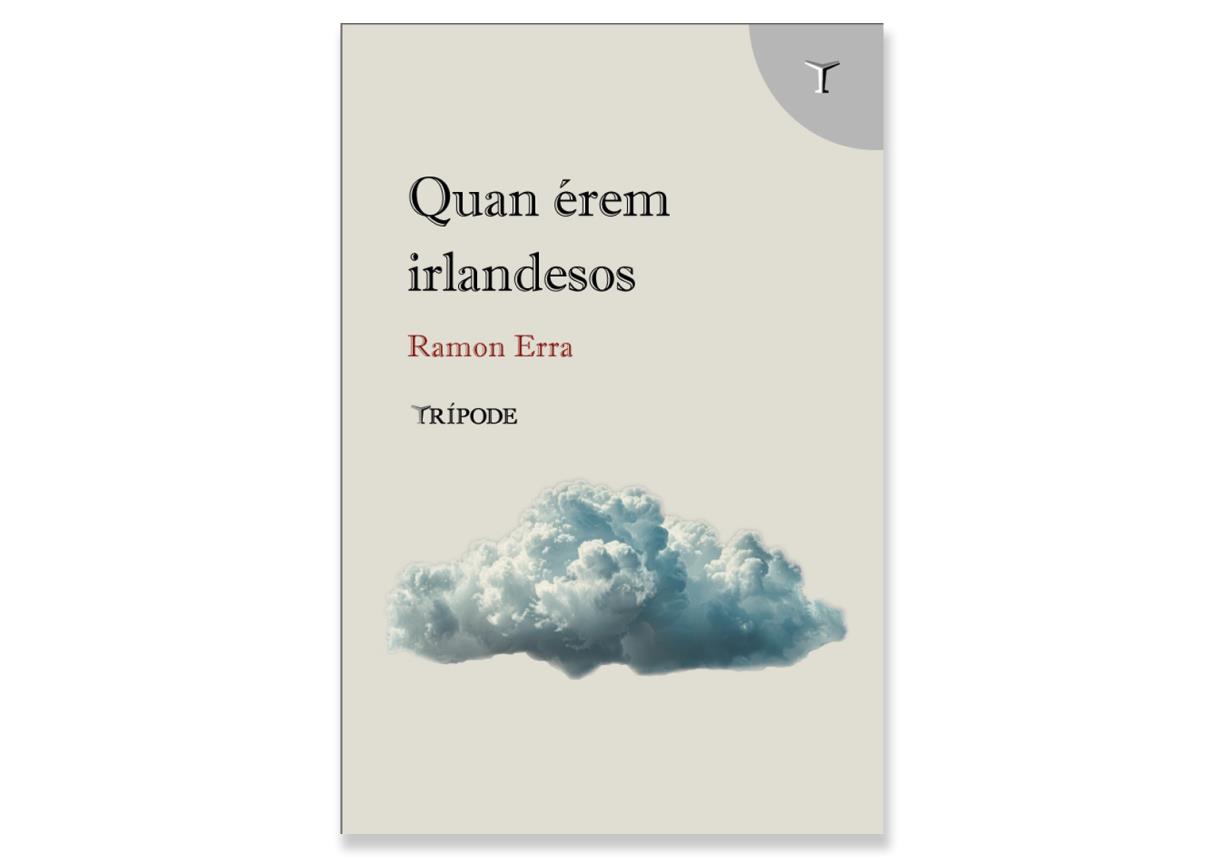
When We Were Irish, by Ramon Erra
A journey that is not only geographical. Erra mixes humor, memory, and reflection with a very unusual lightness.
Why read it? Because it seems easy but it is not. And that always adds value.
International in Catalan: the world, but well translated
Translating is not copying. It is making a story work here. And these titles achieve that without losing their soul.
The Beautiful Promises, by Pierre Lemaitre
Great narrative with rhythm. One of those that grab you and don't let go. Ideal for those who want an absorbing read.
Why read it? Because it is one of those books that justify losing hours of sleep.
The Experimental Age, by Erri De Luca
A dialogue about time that does not sound like a sermon. Elegant, direct, and surprisingly close.
Why read it? Because it is short, but leaves an aftertaste. And that is not so common.
Children and youth: readers without patience (and with criteria)
Young people don’t want “cute” books. They want stories that work. And if not, they turn the page—literally.
Nur’s Secrets, by Najat El Hachmi
Identity, pressure, and growth. A story that connects with the reality of many teenagers.
Why read it? Because it speaks clearly and doesn't treat the reader as if they didn’t understand anything.

Murder in Highburn, by Marta Minguella
Mystery + pace = success. A youth thriller that goes down smoothly and doesn’t ask for explanations.
Why read it? Because it hooks you. And sometimes, that’s all that’s needed.

What an Awesome Story, Minimoni!, by Rocio Bonilla
A fun take on Sant Jordi. With humor and intelligence.
Why read it? Because it works both for children and adults who pretend to buy it “for the boy or girl.”
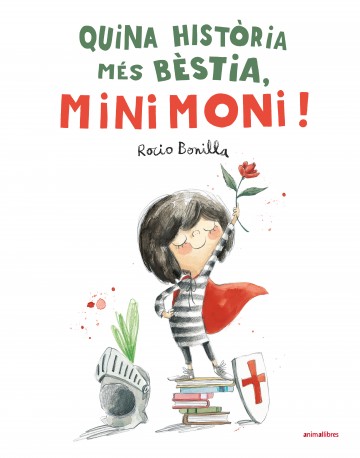
Here we leave you the audiobook, from Animallibres publishing, to convince the little ones that it’s an adventure well worth reading as well as listening to.
Recommended non-fiction essays
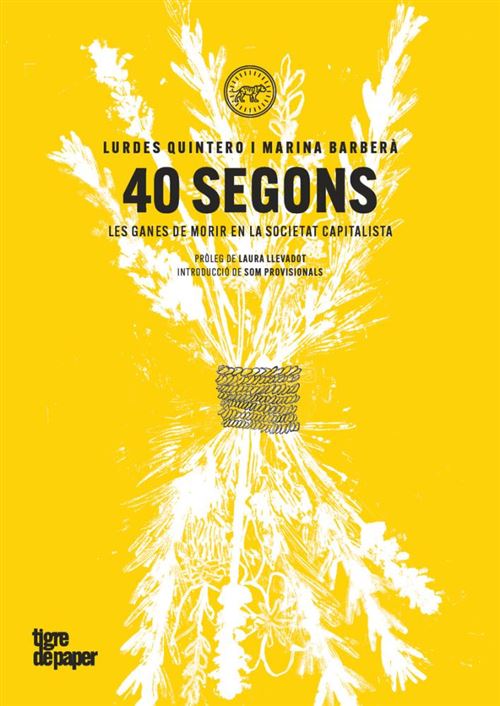
40 Seconds, by Lurdes Quintero with illustrations by Marina Barberà
A story concentrated in the minimal time: forty seconds that can change an entire life. Quintero works non-fiction with emotional intensity and precision, turning an instant into an almost physical experience.
Why recommend it? Because it is brief but impactful: ideal for readers who want to feel something in little time and don’t need 400 pages to be moved.
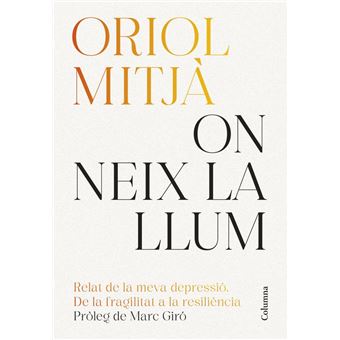
Where Light Is Born, by Oriol Mitjà
A scientific and human look at once, where Oriol Mitjà explores personal and professional experiences with the aim of understanding the world. The book combines reflection, medicine, and life without losing accessibility. It is about time someone talked clearly and openly about the very taboo topic of suicide, in the context of the society we live in.
Why recommend it? Because it provides context and critical thinking: perfect for non-fiction readers looking to read essays with clear ideas without sacrificing a close voice.
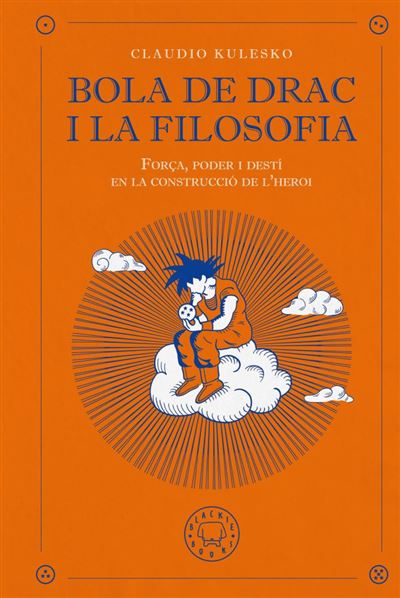
Dragon Ball and Philosophy, by Claudio Kulesko
An unexpected crossroads between pop culture and thought. Kulesko uses the Dragon Ball universe to explore philosophical concepts with humor, intelligence, and zero elitism.
Why recommend it? Because it is original and very readable: ideal for anime fans and philosophy curious who want to think without feeling like they’re in a master class.
The Little Ikigai, by Francesc Miralles and Héctor García
A friendly introduction to the concept of ikigai, that Japanese word that promises to give meaning to life without needing a master's degree in philosophy. The book combines reflection, everyday examples, and practical ideas with an accessible and zero-dramatic tone.
Why recommend it? Because it is brief, clear, and useful: ideal for those who want to start rethinking habits and priorities without feeling like they are reading a dense manual. Perfect to gift (or self-gift) without the risk of stopping at page 20.

Special mention: Ramon Llull Catalan Letters Prize 2026
One of the year's big literary headlines arrives with The Second Life of Ginebra Vern, by Agnès Marquès, the most media-covered narrative award in Catalan. Each edition becomes a phenomenon, with thousands of readers awaiting “the Sant Jordi book” without having opened it yet.
Why mention it? Because it is a safe bet: visibility, rhythm, and a vocation for a broad audience. Ideal for those who want to succeed without taking too many risks… or for those who simply want to read what everyone will be talking about while waiting in line at the stand.

The perfect book doesn’t exist (but this year you can get close)
Choosing a book for Sant Jordi is a bit like choosing vermouth in Reus, or craft beer from the Camp: there are options for every taste, but you always wonder if you chose the best. The difference here is that there is no hangover, only pending readings.
This selection is not definitive nor does it want to be. But it does have a clear intention: to help you gift something with criteria, not just intuition. And if you get it right, perfect. And if not, you always have the classic excuse: “I found it interesting”.