Dostoevsky and the courage to choose your own destiny without guarantees
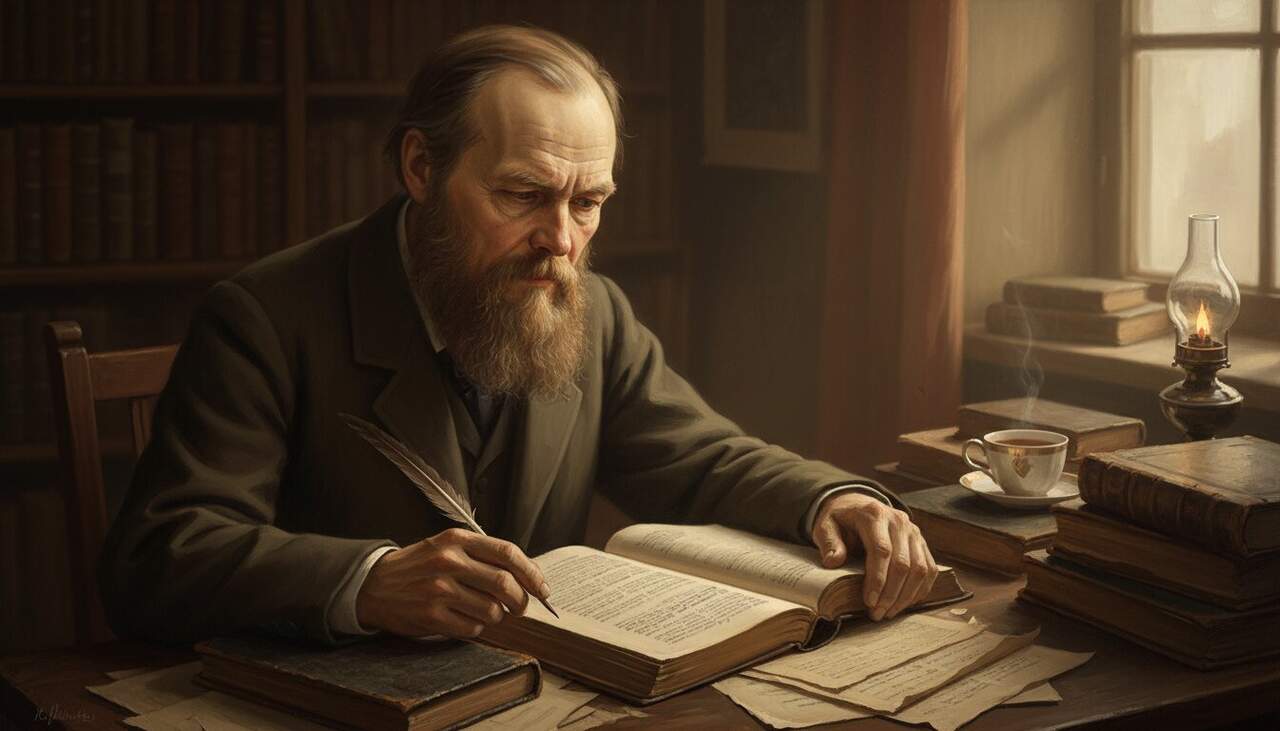
Fyodor Dostoevsky, one of the greatest writers of Russian literature, teaches us that erring by following your own path is living freely. Discover how this lesson still makes an impact.
Dostoevsky made it clear that it is better to make mistakes following your own path than to succeed on someone else’s. This phrase, which sounds like advice from a wise man, hides a universe of freedom, error, and identity that still shakes us today.
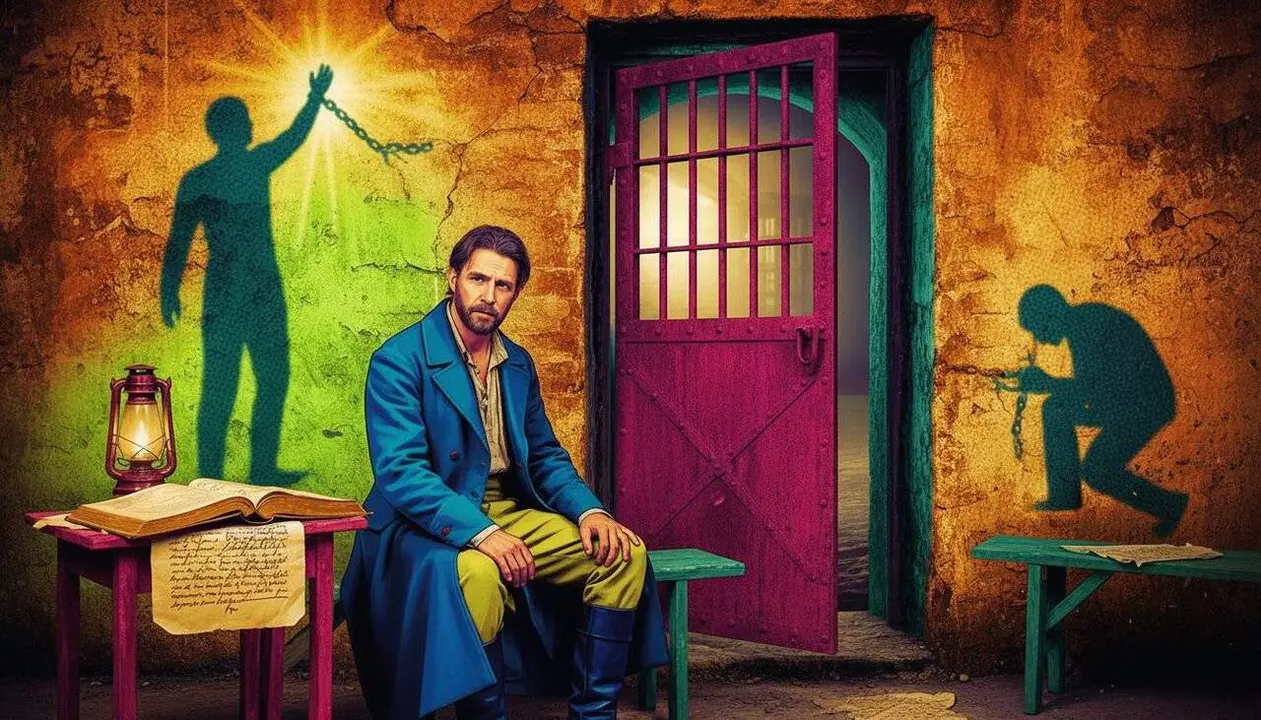

The literature of this illustrious writer explores human psychology within the complex political, social, and spiritual context of 19th century Russian society, and his ideas have influenced modern literature and various schools of theology and psychology. His thoughts can be perfectly extrapolated to today’s society and no one is immune to this reflection: in a world that pressures us to take the safe path, this Russian author reminds us that freedom is choosing even if you make mistakes.

Freedom as a human necessity
Freedom beyond being right
Dostoevsky did not understand freedom as a constant correctness, but as the possibility to choose. After facing death and prison, he saw that the human being does not only seek comfort but the ability to choose, even if that implies suffering or falling.
This lesson is evident in Notes from Underground, where the protagonist rejects the idea that we always act rationally for our own benefit, and champions the act of choosing according to one’s whim, even with negative consequences.
Psychology confirms the intuition
Sabadell psychologist Jenny Moix (author of several books such as Flexible Happiness or My Mind Without Me) agrees: there are no perfect decisions, only decisions coherent with who we are at that moment: "Let whoever has never regretted throw the first stone."
Cognitive biases can hinder choice, but human freedom always manifests itself in internal coherence, not in external perfection.
Mistake as an affirmation of the self
Raskolnikov and the search for identity
In Crime and Punishment, Dostoevsky presents Raskolnikov, a man who commits a crime to test who he is and what he can become. It is not just a mistake; it is a declaration of intentions and a process of self-definition.
This highlights that sometimes mistakes are what define us and allow us to grow as people, especially when the safe path squeezes us.
Mistakes and the construction of identity
Following others’ paths may prevent visible failures but distances us from genuine happiness. Carl Rogers’ humanistic psychology reminds us that happiness comes from internal coherence, not from always getting it right according to external norms.
Mistakes are part of the process of being who we are, not just an obstacle to avoid.
Living without guarantees and with responsibility
Accepting the uncertainty of living
Life does not offer guarantees. The key is not to avoid failing, but to accept that we will and to move forward without being paralyzed by fear. This is the condition for an authentic and fulfilling life.
Compassion for oneself in the face of mistakes lightens the path. What awaits us is not a harsh judge, but a friend who understands the reasons behind our decisions.
When error is an ally, not an enemy
Ultimately, stopping seeing error as a defeat and beginning to understand it as a manifestation of the courage to choose is what makes us unique. In this society we live in, as in many others around the world, this message resonates among those who seek to live with meaning rather than security. Dostoevsky tells us this clearly between the lines of his literature: Act despite making mistakes, get up, learn the lesson, take action again, and learn to live with freedom and one’s own judgment.
Perhaps it is not that we are afraid of making mistakes. Perhaps it is that we do not know how to love error enough as part of ourselves.