When a route through a battlefield lasts more than four hours and no one wants to leave
There are Sundays that end with vermouth and others that end with four hours and a bit of walking, imaginary gunpowder, and people asking for “one more stop”. In Valls, when this happens, it is usually not because of the human towers or the calçotada, but because history has become intense.
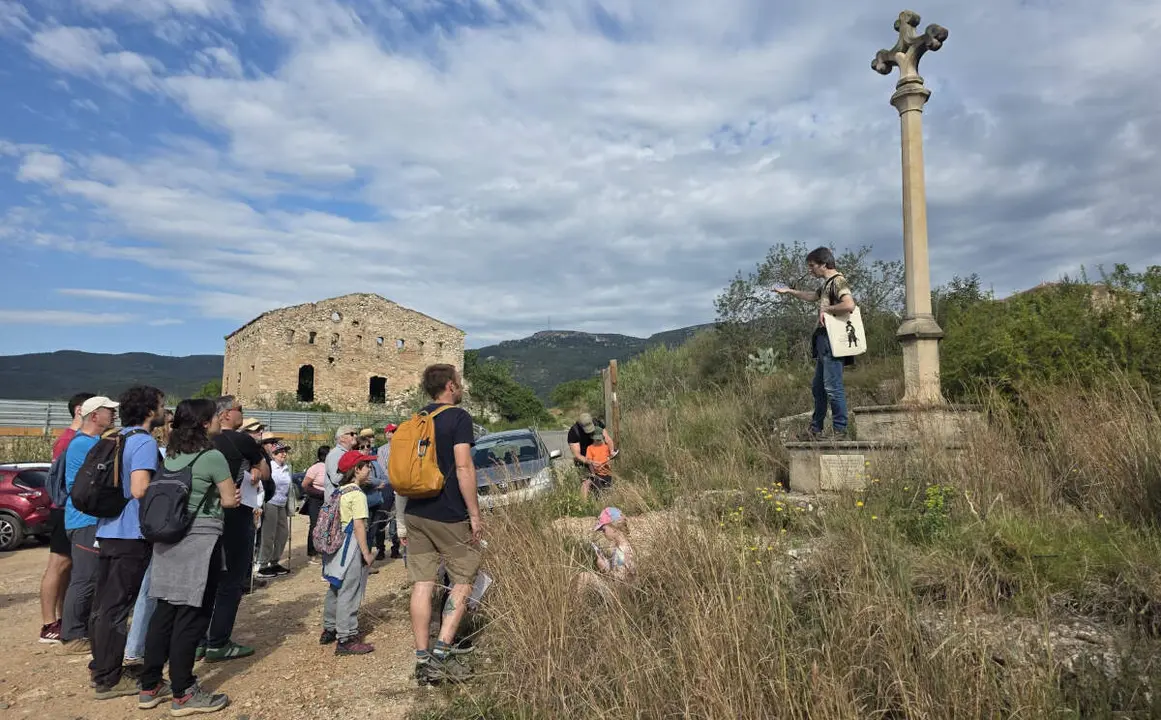
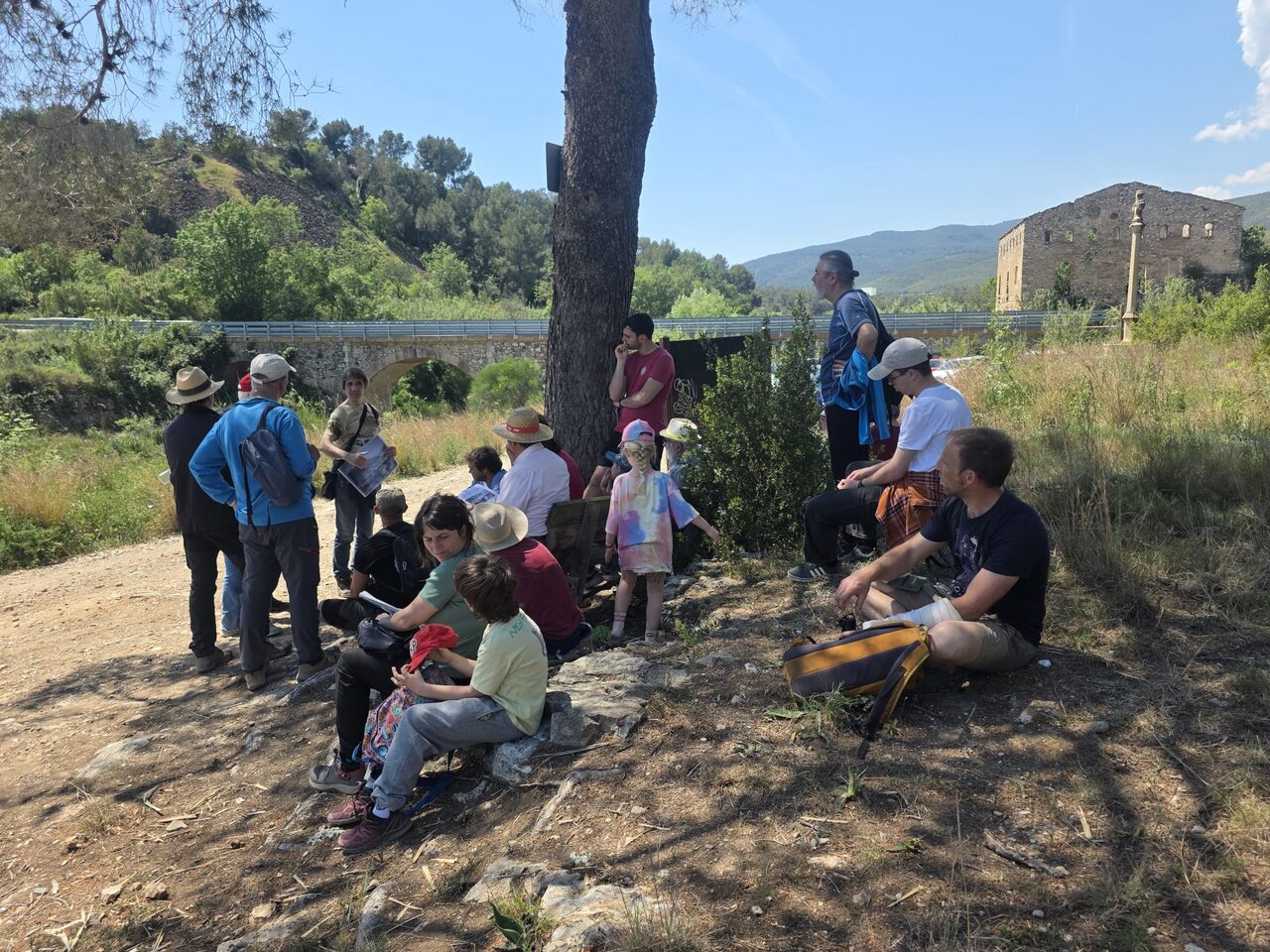
Last Sunday, a new guided tour through the Battlefield of Pont de Goi, organized by the Institut d’Estudis Vallencs, brought together dozens of people ready to listen, walk, and look at an apparently peaceful landscape as if watching a war movie without popcorn.

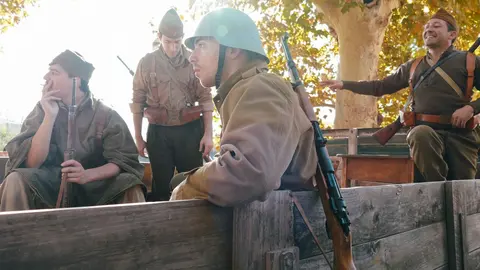
Because yes: today that part of Francolí looks like a rural postcard, but more than two centuries ago it was much less Instagram and much more “prepare arms.” The fields, the edges, and the slopes that you now cross in comfortable sneakers were the scene of one of the most notable battles of the Peninsular War in Catalonia.
And the best part is that the visit did not have that typical feeling of “well, that’s it, let’s move on.” On the contrary. The route lasted almost five hours and there were still attendees with the look of “Francesc, if you want, we’ll do the Russian campaign too.” A clear sign that something was being very well explained.
Francesc Murillo and the battle that put Valls on the European map
The guide of the day was the historian from Valls, Francesc Murillo Galimany, one of the leading authorities on the history of the Peninsular War in Catalonia and, especially, on the Battle of the Pont de Goi or Battle of Valls, which took place on February 25, 1809.
This is not just a localist exaggeration on a Sunday morning: about 30,000 regular soldiers fought here over the course of eleven hours, figures that make this engagement one of the largest battles of the Peninsular War in Catalonia, along with the Battle of Vic (02/20/1810). For years, however, many people reduced it to a simple skirmish between sometents (armed neighbors) and a few Napoleonic soldiers. Nothing could be further from the truth.
Murillo has long insisted on this idea: the battle was not only large, but it made Valls known long before the human towers and the calçotada. So much so that the name of the battle (and therefore the city) is engraved on the Arc de Triomphe in Paris, among other great Napoleonic victories. Yes, Valls also has its international "influencer" moment.
From the Centennial Cross to the Pont de Goi: walking on history
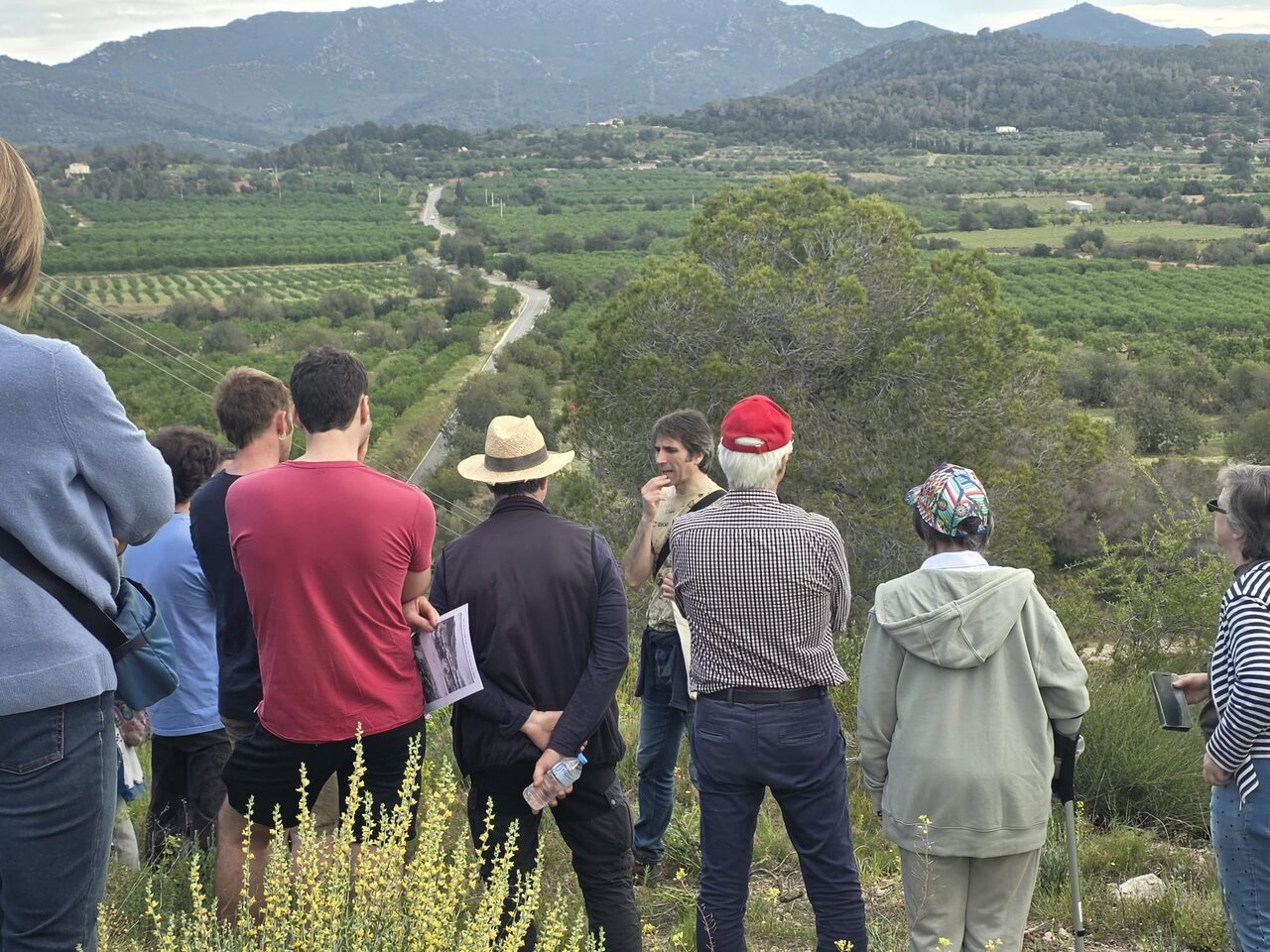
The visit began at the Centennial Cross of the Battle, a point that seems discreet but holds more drama than many streaming series. There, Murillo explained the background of the conflict: a Europe dominated by Napoleon, Spain in full turmoil, and Catalonia turned into a first-rate strategic stage. He also explained the movements that led the bulk of the Spanish and French campaign armies in Catalonia to meet at this point at dawn. The first, commanded by General Theodor Reding, intending to return to Tarragona, coming from the Conca de Barberà region. The latter, under the orders of General Laurent Gouvion Saint Cyr, seeking a decisive battle that would crush the will to resist of Spaniards and Catalans in the Principality.
From there, the group climbed up to the Serradalt, municipality of Alcover, the elevated position from where the Spanish army dominated the battlefield and placed the artillery. From the top, geography ceases to be landscape and becomes strategy: hills, ravines, river, and visibility. Following his explanations, the battlefield came alive again, and between crops and housing developments the infantry advanced once more, while the gunpowder smoke covered that sunny day.
La Granja de Doldellops and the moment everything went wrong
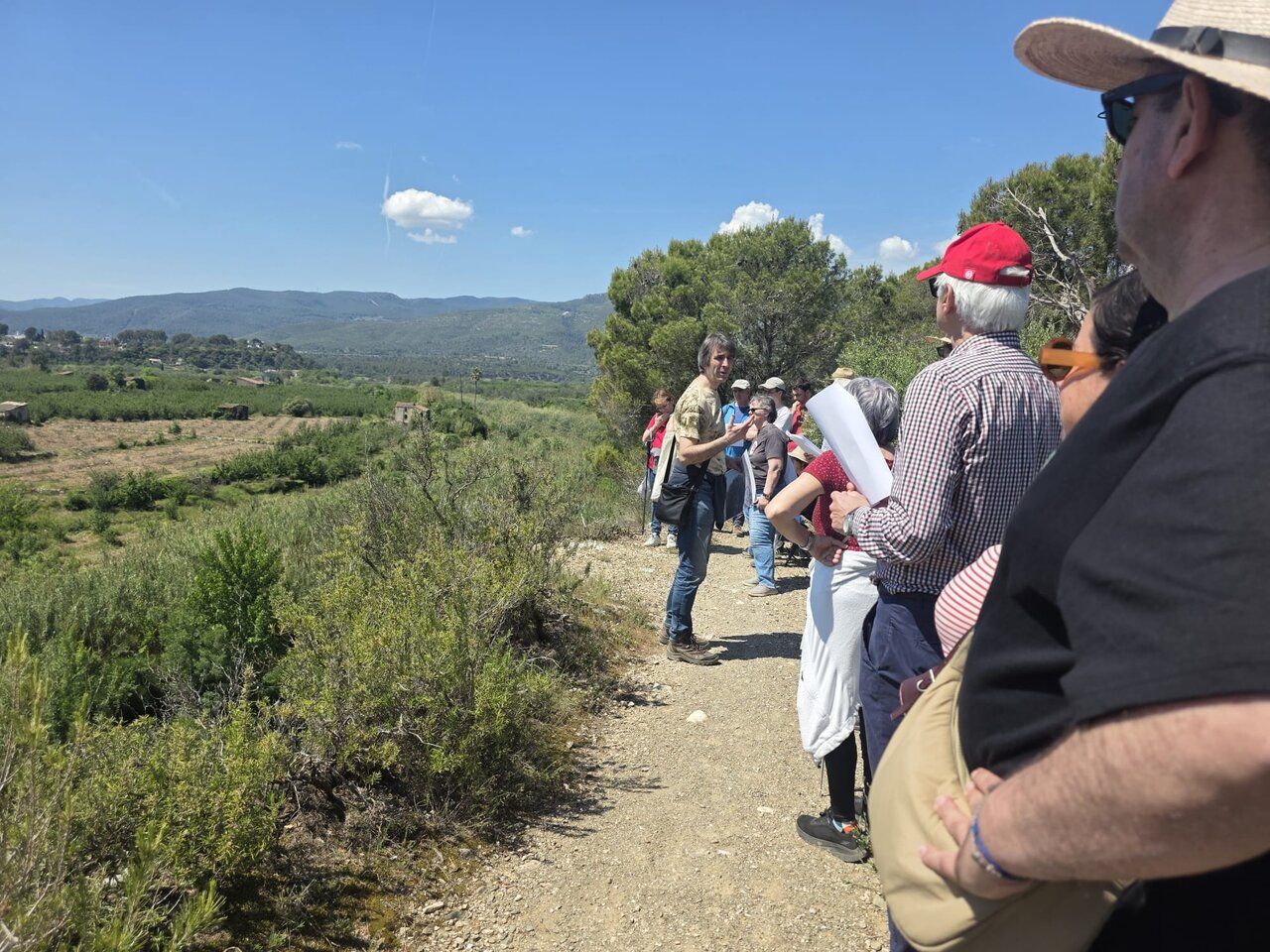
Afterward, the route advanced almost to near the Granja de Doldellops, in the middle of the Napoleonic positions. There, it was explained how the French maneuvers ended up prevailing over General Theodor Reding’s troops.
The next stop was at the Granja bluff, a spot immortalized by Charles Langlois in one of his engravings and a painting, which is preserved in the collection of the Palace of Versailles, because even France decided that that day in Valls deserved to be well portrayed. From this point, Murillo explained the general attack carried out by the French and Italian troops, which in the afternoon decided the battle, explanations that attendees could see “in situ” in the reproductions of Langlois's works.
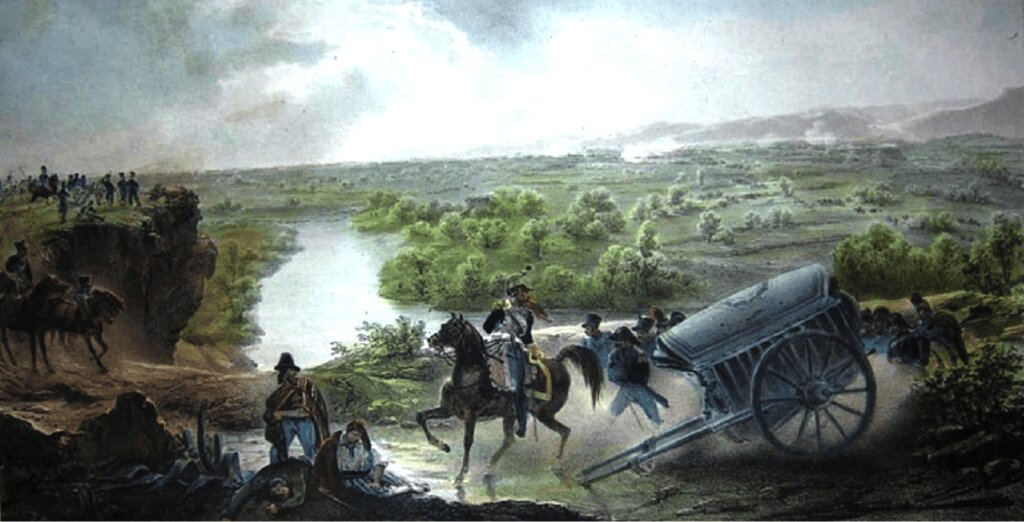
The battle ended with a French victory, which allowed the occupation of a large part of the Camp de Tarragona and the subsequent entry into Reus. The Spanish commander, Theodor Reding, was seriously wounded during a cavalry charge. He survived the wounds but died weeks later due to a typhus epidemic that spread through the territory. A much crueler ending than any spoiler.
Quick facts about the Battle of the Pont de Goi
| Element | Information |
|---|---|
| Date | February 25, 1809 |
| Place | Pont de Goi and surroundings of the Francolí river, Valls |
| Armies | French vs Spanish |
| Combatants | Near 30,000 soldiers |
| Result | French victory |
When history is told where it happened
One of the great virtues of these routes is that they require little imagination: you just have to look ahead. Murillo explained it pointing at the hills, natural passes, and defensive positions. And suddenly everything fits. The field ceases to be just a field and becomes a living map.
The Institut d’Estudis Vallencs has long maintained this dissemination work with admirable obstinacy, one of those efforts that make no noise but build nation. In times of fifteen-second videos, getting a group to listen for more than four hours to a historical explanation is practically a miracle.
Those who want to delve even deeper can consult Murillo’s work or follow the upcoming activities of the IEV through its heritage dissemination platform. Historical context can also be revisited in specialized articles such as those collected in this analysis of the Battle of Valls.
Because sometimes, the best way to understand a city and its territory is not to look at its town hall or stand in line at the Central Market of Reus on a Saturday. It is to walk quietly across a bridge, listen to a story from two hundred years ago, and discover that Valls was already European news long before we invented cultural posturing.