Pulpí uses drones to monitor pools and curb mosquitoes
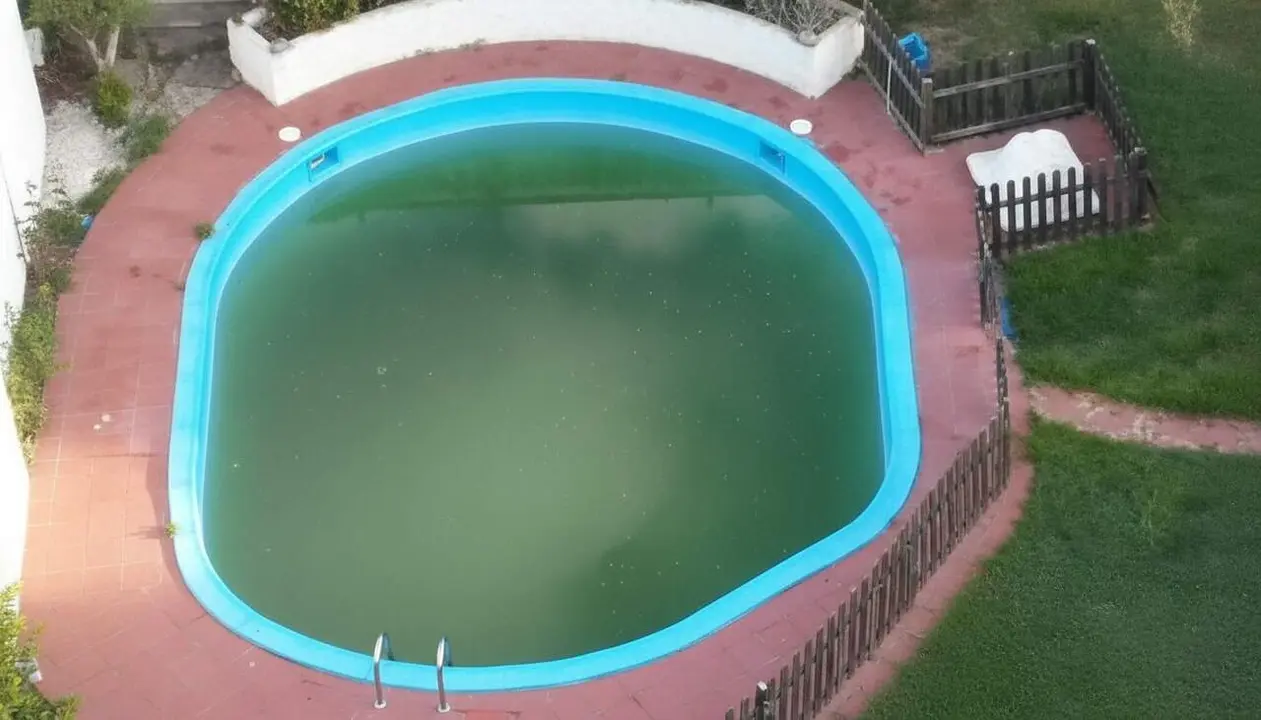

In Pulpí, a surprising technological strategy is changing the way private pools are controlled. With the arrival of spring, the City Council has focused on preventing the proliferation of mosquitoes, a problem that threatens public health if the facilities are not kept in optimal conditions.
For this reason, it has been decided to use drones to aerially inspect pools and detect those that accumulate stagnant water. With this technique, the council aims to ensure compliance with regulations and avoid risks associated with lack of maintenance.
Drone control: the new weapon against mosquitoes in Pulpí
How aerial inspections work
The Pulpí council has flown drones over the municipality to identify private pools without maintenance. These inspections allow the visual detection of water accumulations that can become mosquito breeding sites, especially during spring, when temperatures rise.
Owners received an official notice giving them fifteen days to adapt their facilities and avoid problems. Despite this, the first round of control revealed multiple cases of pools in poor condition, leading to an imminent new surveillance operation.
Benefits of using drones in health control
Using drones provides a great advantage: they are capable of reaching hard-to-access areas and collecting data in real time without direct intervention. This makes inspections more efficient and less costly, as well as ensuring a thorough and objective review of all municipal facilities.
In addition, the technology allows for quicker action against violations, improving the municipal response to maintain a healthy environment.
Fines and penalties: what happens if you don’t keep your pool in good condition?
Legal and sanctioning measures in Pulpí
The council has made it clear that it will not stand idly by in the face of noncompliance. Owners who do not comply with regulations will receive individual notices and orders to clean their pools.
If there is no response, coercive fines will be applied and, in serious cases, the City Council itself may carry out the cleaning and charge the costs to the owners. These actions are based on article 21 of Law 7/1985 and the local ordinance on mosquito and fly control.
Impact of sanctions on public health
Keeping pools in proper condition is key to preventing the proliferation of mosquitoes that can transmit diseases. Spring is especially critical because accumulated water creates an ideal environment for these insects to reproduce.
The risk is not only a nuisance but can directly affect the health of the population; that is why the Pulpí council insists on individual responsibility to ensure a safe and healthy environment.
Neighbor collaboration and shared responsibility
The involvement of residents is key
The City Council makes a clear call for citizen collaboration. Each owner must watch over their space and take the necessary measures to avoid stagnant water, such as covering or draining unused pools and avoiding accumulation in channels or reservoirs.
Without this involvement, any municipal action will be insufficient to control the problem in a municipality with many residential and private areas.
Practical tips to keep the pool safe
- Treat the water regularly with specific products to prevent larva breeding.
- Cover or drain unused pools to prevent stagnation.
- Inspect and clean channels and reservoirs that may accumulate water.
- Be attentive to inspections and respond quickly to municipal requirements.
| Type of action | Description |
|---|---|
| Notices | Individual orders to clean pools |
| Coercive fines | Financial sanctions for noncompliance |
| Subsidiary execution | The City Council acts and charges the cost |
This combined approach, which combines technology and citizen responsibility, will allow Pulpí to maintain a healthier and mosquito-free environment, especially during the warmer months.
Finally, it should be noted that drone surveillance and imposed sanctions clearly show that the municipality will not tolerate neglect in private pool maintenance. Public health comes first, and the council’s will is to guarantee it for everyone.