5 secrets of drones that detect hidden mosquito breeders
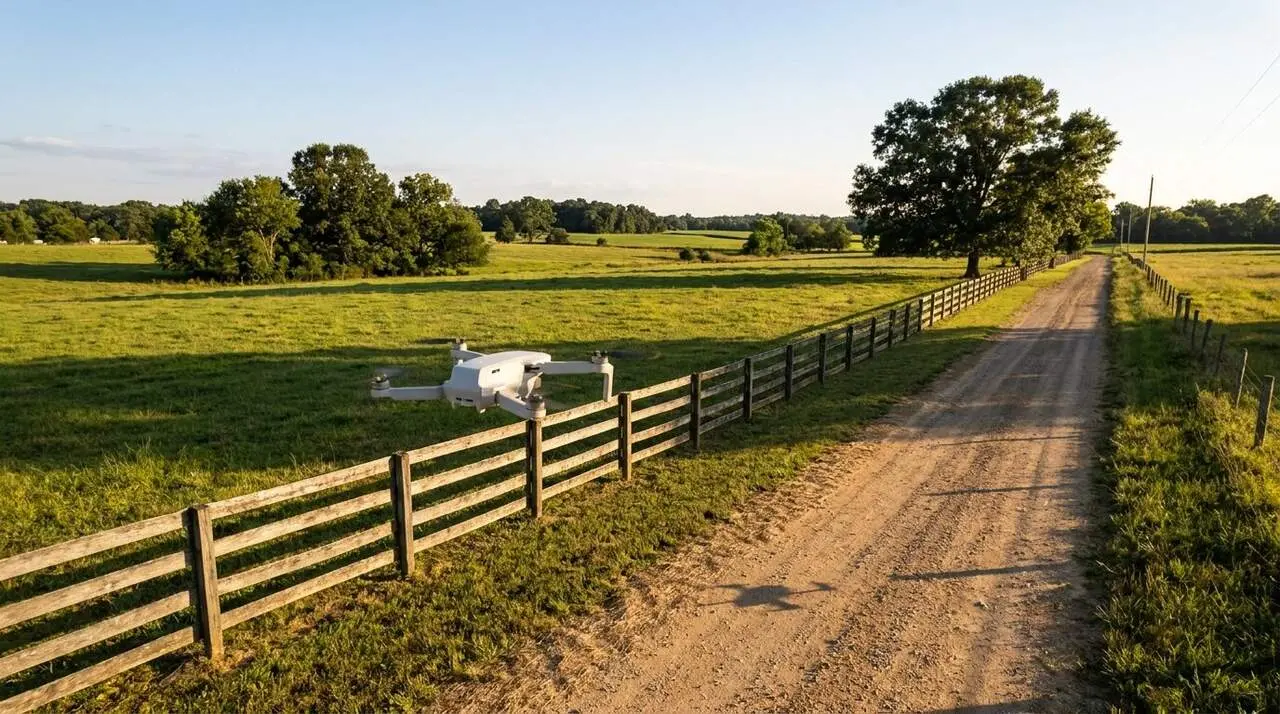

Imagine a device flying over the city, capable of detecting hidden mosquito breeding sites where the human eye never reaches. This is no longer science fiction: in Makassar, Indonesia, a scientific team has revolutionized the fight against dengue and other diseases with this technology.
Drones equipped with artificial intelligence precisely identify locations invisible from the ground, such as hidden yards or rooftops. This strategy could change the game in epidemic prevention and optimize resources in vulnerable areas.
How drones work to locate mosquito breeding sites
The combination of drones and artificial intelligence
Researchers at Stanford University have developed a system that uses drones to fly over urban and remote areas, capturing high-resolution images. These images are analyzed with advanced convolutional neural network algorithms, such as U-Net++ and DeepLabV3++, which identify specific objects, like abandoned tires that collect water and serve as breeding sites.
The models achieve F1 scores above 0.8, demonstrating high accuracy and outperforming manual detection carried out by human teams.
Detection in inaccessible and hidden areas
These drones can access difficult places, such as rooftops or inner yards, where traditional inspection does not reach. Artificial intelligence analyzes shape and shadow patterns that ground exploration often misses, allowing nearly double the identification of mosquito breeding sites.
For example, a tire hidden among vegetation or on a terrace can be quickly located, facilitating more effective and targeted interventions.
Advantages of this technology in epidemic prevention
Cost reduction and faster response
The drone system allows operational costs to be reduced and intervention to be accelerated at the possibility of an epidemic outbreak. Experts explain that aerial surveillance covers areas where manual elimination is dangerously slow or unfeasible.
With this technology, health authorities can prioritize resources, acting precisely in the most vulnerable areas and preventing the mosquito from spreading.
Surpassing conventional methods
Ground inspections or satellite image analysis have limitations in coverage and resolution. Drones offer direct access and real-time detection, which expands epidemiological surveillance and covers remote or disadvantaged communities.
Moreover, the use of multispectral imaging, planned to be incorporated, can further refine the identification of ecological and health risks.
Impacts beyond the fight against mosquitoes
Applications in emergencies and agriculture
This technology not only serves to control Aedes aegypti but also has potential for environmental monitoring in areas affected by hurricanes or hard to access. The use of drones is also being explored for urgent transport of medical materials and to detect water stress in crops, bringing value to various sectors.
Adaptation to climate change challenges
The growth of mosquito-borne diseases is linked to rising temperatures and extreme weather events caused by climate change. The ability of drones to anticipate and monitor environmental and health threats in real-time is key to optimizing global public health responses.
Thus, this strategic tool positions itself as one of the most promising to face future challenges, combining technology and community health.
The reality is that technological innovation and applied science can become the ultimate weapon against diseases that were previously difficult to control. What once seemed impossible now flies within the reach of a drone.