
Reform 2027: retirement in Spain raises the age and tightens the requirements
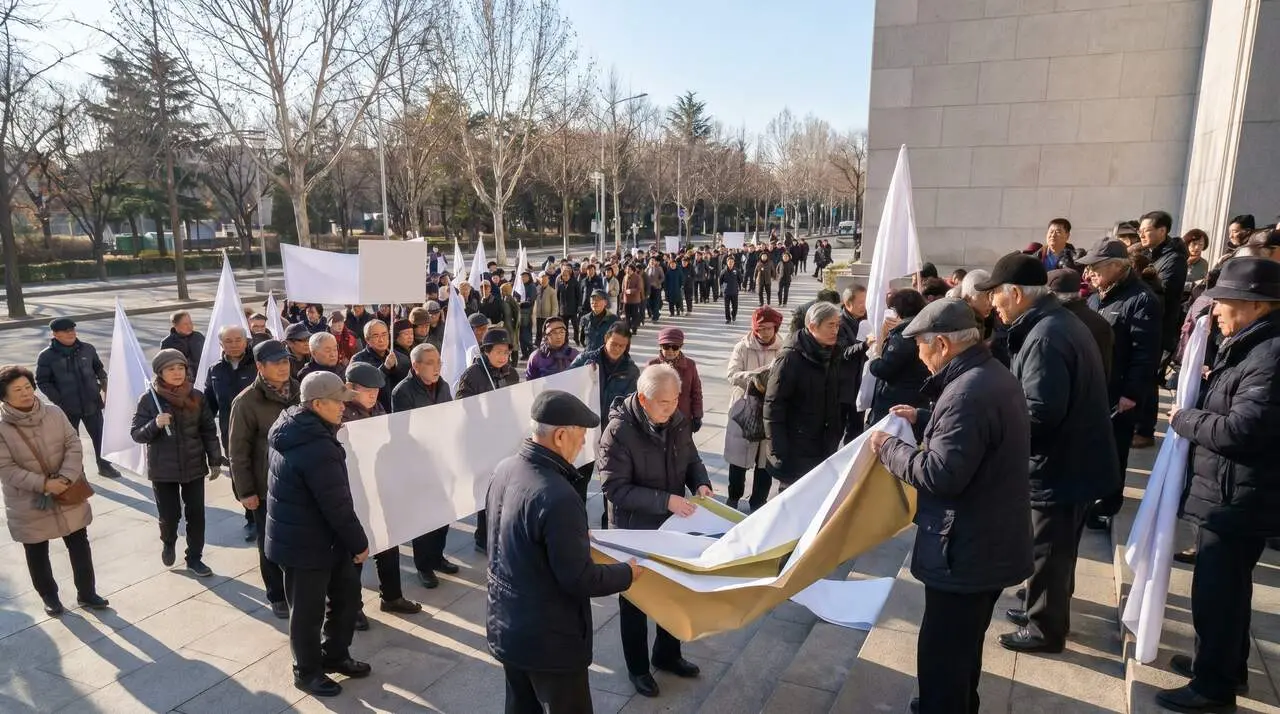

Retirement in Spain will rise to 67 years for those who have not contributed enough, and the requirements to receive 100% of the pension will become stricter. This concludes a process that has lasted more than a decade and permanently changes the system.
The pension system will adjust the retirement age from 2027 based on years contributed and will recalculate the pension with stricter rules. Experts and institutions confirm this is to save the fund in the face of aging.
Change in legal retirement age according to contributions
Retirement at 67 for those who do not reach 38.5 years contributed
From 2027, those who have not contributed at least 38 years and 6 months will have to wait until age 67 to retire. This increase finishes the rise that has been applied since 2013, when the legal retirement age began to be extended.
Until now, the system raised the age at a rate of one or two months each year. In 2026, it was already 66 years and 10 months for those who do not meet the minimum years.
Retirement at 65 for those who exceed the years contributed
On the other hand, those who exceed the contribution threshold will be able to continue retiring at age 65. The reform thus rewards longer working careers, clearly linking working life and pension access.
This affects not only ordinary retirement but also early retirement, which can be done from age 63 for those who meet the minimums and from 65 for the rest.
Stricter requirements for receiving the full pension
Increase in necessary years contributed
From 2027, it will be necessary to have contributed 37 years to receive 100% of the pension, increasing by half a year compared to what was required until now (36 years and 6 months).
For those who only meet the minimum 15 years contributed, the pension will be set at 50% of the regulatory base. This makes extending one’s working career key to having a decent pension.
New, more demanding calculation of the regulatory base
The calculation period of the regulatory base will be extended to 304 months (25.6 years), to take into account the months with highest contributions. Until now, 302 months (25 years and 4 months) were considered.
This change aims to better reflect the worker’s actual wages and adjust the final pension more realistically to labor conditions.
Other relevant changes in retirement
Partial retirement and replacement contract
Partial retirement may be requested up to three years before the ordinary age starting in 2027. This will allow access at 64 years or even 62 if more years contributed are met.
This mechanism remains an option to facilitate generational renewal in companies and sectors needing refreshment.
Involuntary early retirement and minimum age
In cases of involuntary early retirement (dismissals or restructurings), the minimum age will be 63 years for those who do not reach 38.5 years contributed and 61 for those who do.
These differences mark a strong distinction depending on work history, penalizing those who have had less stability.
The newly approved reform places the pension system in a new scenario where age, years worked, and pension calculation are more closely linked than ever. Sustainability seems to be the priority, even if this leaves many workers watching the clock more anxiously.