Why Spanish and Italian chefs agree on the perfect pasta
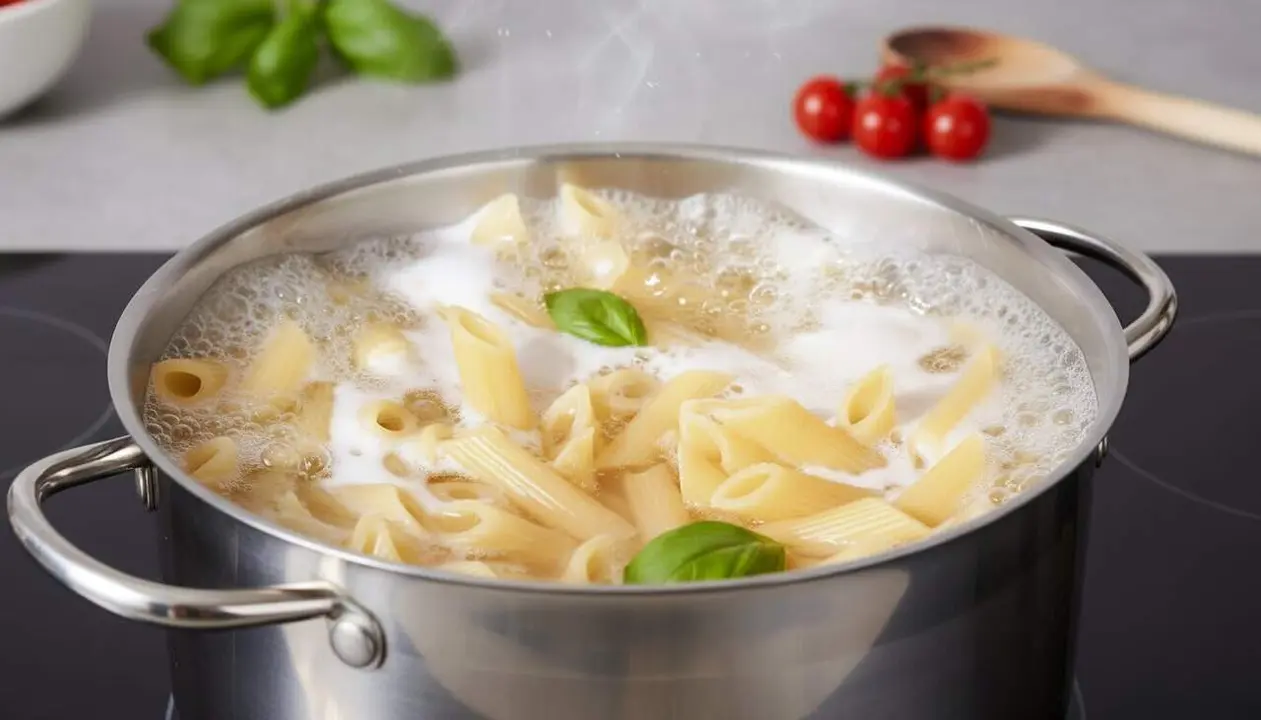

Cooking pasta is not as simple as it seems. In professional kitchens, a very common mistake is to let it boil until the end according to the package instructions. But Spanish and Italian chefs are clear that the key lies in a detail that changes the entire dish.
It is advised to take the pasta out of the water early and continue cooking it with the sauce. This technique, which may sound strange to many, is what makes the difference between ordinary pasta and one that captivates.
The key: the cooking point and the creaming
The secrets of great chefs
The prestigious Italian Niko Romito, with three Michelin stars, emphasizes that pasta should always be firm and al dente, never overcooked or soft. This texture not only improves the eating experience but also facilitates digestion and makes the sauce stick better, thereby enhancing the overall dish.
The Catalan Jordi Cruz offers a perspective that has revolutionized many kitchens: removing the pasta before it is fully cooked. This allows for what he calls “creaming,” a process where the pasta finishes cooking inside the sauce, absorbing all the flavors and gaining a creamier and more intense texture.
A gesture as simple as it is brilliant
For his part, the renowned José Andrés insists that good pasta needs the right saltiness in the water, to the point that it must “taste like the sea”. He also explains that adding some of the cooking water, full of starch, to the sauce is the trick that unites the whole dish in perfect harmony. This small detail makes the final result more flavorful and better textured.
If you want to know more details about how to achieve luxury pasta, don’t miss the advice of other experts who explain the key ingredient for perfect pasta.
The techniques that unite two culinary traditions
The common points between Spain and Italy
Despite pasta’s fame and deep roots in Italy, Spanish cooks agree on many practices that seem more typical of the Italian peninsula. Removing the pasta before it is fully cooked is a clear example of how these two culinary cultures share a deep respect for texture and flavor.
Moreover, both countries focus on quality ingredients, cooking in water with just the right amount of salt, and adding the sauce at the final stage to achieve a balanced dish. This cooperation of techniques transforms pasta from a simple quick dish into a culinary experience.
Spanish particularities
Chef Fernando Canales, with a Michelin star, reminds us that a common mistake in Spain is storing tomatoes in the refrigerator, a detail that affects the flavor when used for sauces. Also, the way of crushing three or four tomatoes and finely chopping the rest of the vegetables is a common practice to obtain a sofrito with a deeper flavor.
Other Spanish professionals opt for a spice paste that they add to the dish to further enhance the personality of the recipe, a clear example of the culinary blending that enriches both cultures.
How to apply these tricks at home
Practical tips for excellent pasta
- Use plenty of water and salt, as experts recommend. The water should taste like the sea, not bland.
- Remove the pasta before it is fully cooked, two to four minutes early, depending on the type.
- Finish cooking alongside the sauce, stirring and allowing the pasta to absorb all the flavor.
- Add some cooking water to help bind the sauce and add creaminess.
The most common mistakes
A classic is following the package time to the letter, without considering the texture you want to achieve. This often results in pasta that is either too soft or too dry.
There are also those who don’t use enough water or salt, which affects cooking and flavor. And, of course, forgetting the creaming, which is what truly distinguishes a mediocre dish from a memorable one.
If you want to elevate your recipe, put these tricks into practice and discover why Spanish and Italian chefs agree on perfect pasta.
The reality is that pasta is not just a simple dish: it is a work of art that begins and ends in the cooking, and in the wisdom of knowing when to remove it so it can finish with the sauce, almost as if it were a secret shared among master chefs.