
Why do they recommend placing a plastic bottle with beer in the garden?

With the arrival of good weather, many people take the opportunity to devote themselves to their garden or terrace and enjoy the plants they grow there. But not everything is flowers and pleasant aromas: snails and other insects often appear as unwanted guests, testing the patience of gardeners. The question is: how to prevent these mollusks from causing havoc and damaging the precious plantations?
Some traditional methods have transcended generations, but what generates the most curiosity is a trick that seems as simple as placing a plastic bottle or bucket with beer near the plants. But what is this method really for and what do experts recommend? Here we explain it to you.
Why put a plastic bottle with beer in the garden?
Snails are known to feed on tender shoots, leaves, and fruits, causing damage that can be devastating especially to young plants or in humid climate areas. A clear sign of their presence is irregular holes in the leaves and the slime trails they leave behind. This problem leads the gardener to seek natural solutions to protect their vegetation without resorting to chemical products that could affect soil health.
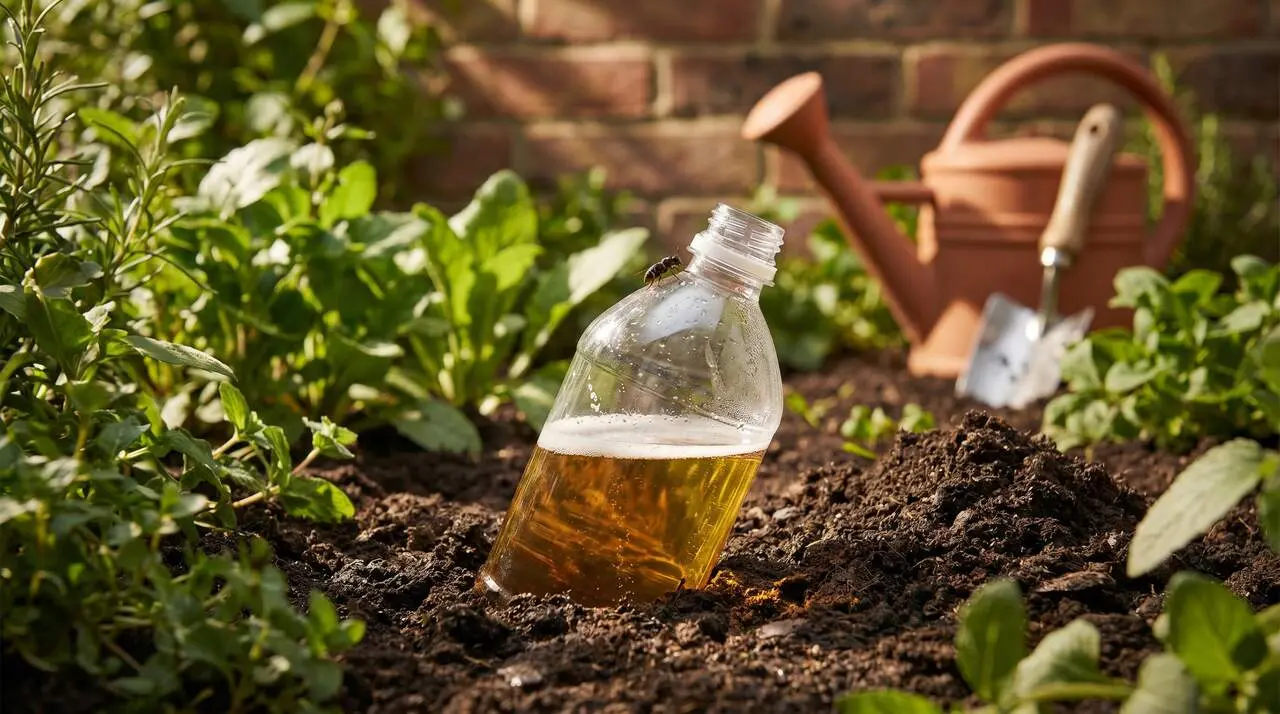
One of the most recommended techniques is creating a homemade trap with a plastic bottle or bucket in which beer is poured. This liquid acts as an attractant so that snails approach it, fall into the trap, and are prevented from continuing to damage the plants. Variations can also be made with water and yeast or water with sugar, but beer is the most effective due to its smell and composition.
How to prepare the snail trap with beer
First you need to cut a plastic bottle in half or use a bucket that serves the same function. Beer is placed at the bottom of the container and it is positioned near the most affected plants. Every two or three days it is necessary to check the trap, empty the trapped snails, and replenish the beer to maintain effectiveness.
This method is simple and avoids the use of chemical products, which is especially interesting for urban gardens or ecological gardens where environmental health is prioritized.
Natural alternatives to protect the garden
If you don’t want to make traps, you can also create physical barriers that hinder the passage of snails. Fresh coffee grounds, for example, act as irritants to these mollusks and make them avoid the area. It is a cheap and easy solution to apply.
Another effective homemade remedy is the use of garlic. When crushed, garlic releases allicin, a compound that generates a smell and taste unpleasant to snails, as well as masking the natural smell of plants and causing disorientation. Garlic can be placed cut around plants or prepared as an infusion to spray them, renewing the treatment periodically.
The importance of snails in the ecosystem
In moderate excess, snails provide important ecological benefits. They contribute to the decomposition of organic matter and improve soil quality by adding minerals. Furthermore, they are part of the food chain, feeding birds, hedgehogs, and other garden animals.
Therefore, the gardener’s challenge is to find a balance between protecting their plants and respecting the biodiversity of their green space.
Recommendations for a healthy garden
- Keep traps clean and replaced to avoid bad odors and low efficiency.
- Apply natural barriers such as coffee and garlic in vulnerable areas to reduce damage.
- Avoid harsh chemical products that could harm other beneficial organisms.
What do the experts recommend?
According to Jordi Puig, an expert in urban gardening, “the beer trap is a proven method that balances plant protection with respect for the garden’s ecosystem”. Additionally, Maria Esteve, a biologist specializing in biodiversity, adds that “using natural solutions is key to maintaining a sustainable and lively garden”. These opinions reflect the current trend toward more ecological and responsible practices.
By the way, if you are interested in discovering other effective household tricks, you can see why vinegar is recommended in the pan and also what is recommended to do with a coin on the router.
Complementary measures to avoid snails
In addition to traps and barriers, it is recommended to keep the garden clean and free of excess organic debris that could become snail refuges. Ventilation and direct light also hinder their proliferation.
It is preferable to act preventively and combine several natural techniques to achieve a healthy and attractive garden without the need for chemical aggressions.
Tips for daily care
- Check plants every few days to detect damage on time.
- Apply garlic infusions periodically to protect the plants.
- Use fresh coffee grounds as a natural barrier.
Final recommendations
As a final tip, patience and consistency are necessary. Snails will not disappear all at once, but with these systems control is maintained and plants can grow in a healthier environment.
Also remember that biodiversity in the garden is an indicator of ecological health, and that coexistence with snails is part of a natural balance that, when well managed, is beneficial for everyone.
The reality is that putting a plastic bottle with beer in the garden is not superstition, but a simple, economical, and effective method to minimize snail damage while respecting the natural environment.