Aceitunas and pickles: definitive change in food quality
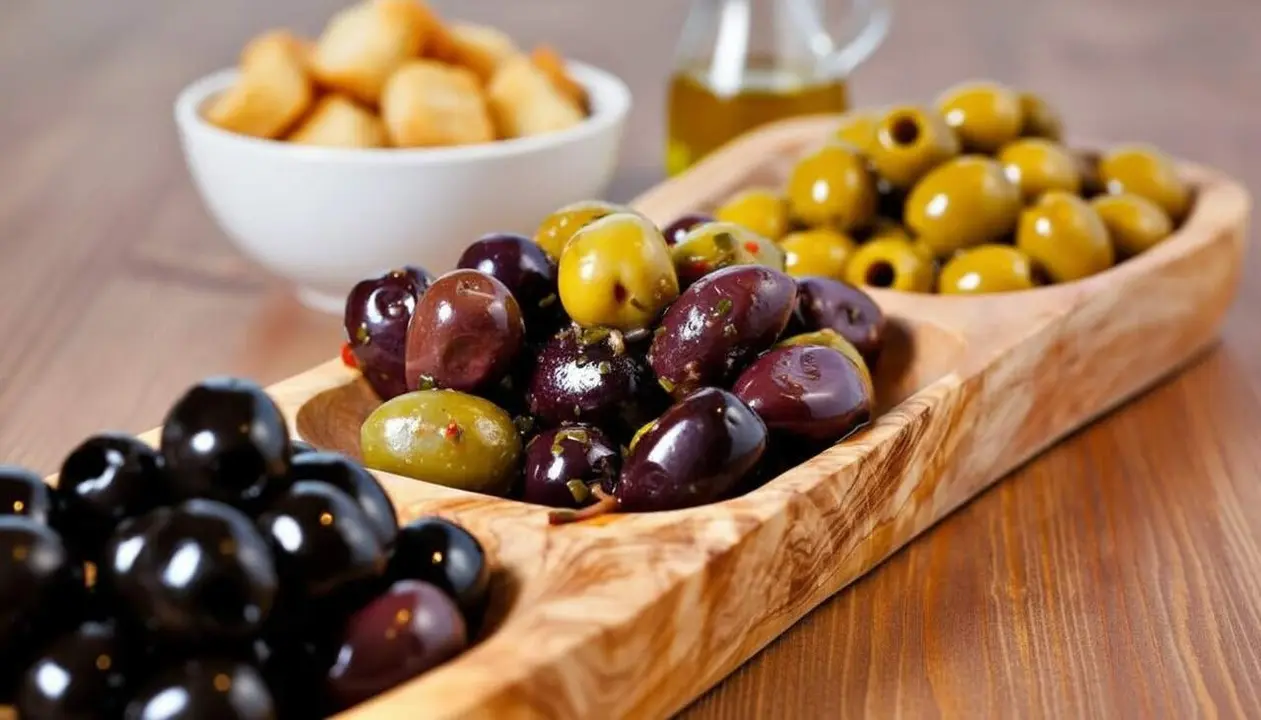

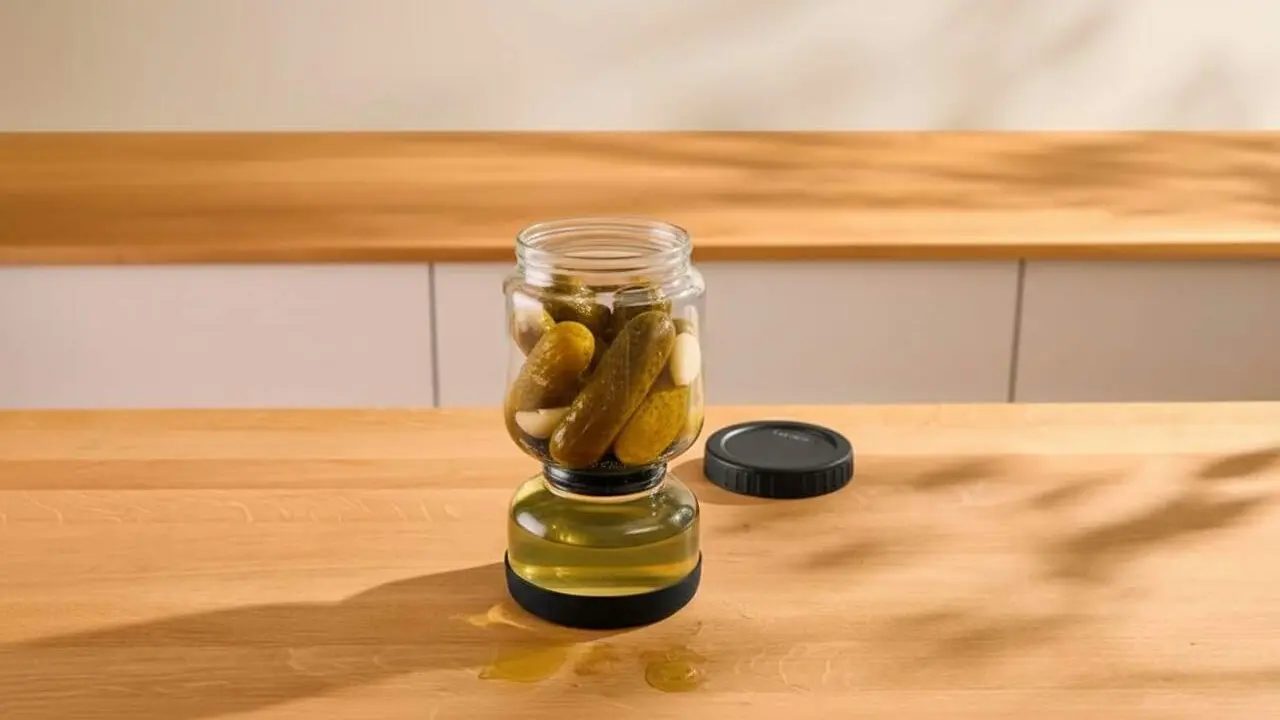
Olives and other pickled products are part of our usual pantry and appetizers, but they almost never take center stage. However, starting in 2026, their food quality will undergo a transformation affecting everything from their production to the information that reaches the table.
Royal Decree 142/2026 establishes new rules that will require greater transparency and rigor in the pickled products sector, especially regarding vinegar and the ingredients used. This movement is part of a series of reforms that have also impacted widely consumed products such as ham and cookies.
Updates in the regulations for pickled products and olives
Vinegar and ingredients: a renewed regulation
The main focus of the reform lies on vinegar, an essential element in many pickled products and olives. This update recognizes traditional practices protected by Designation of Origin (DO) and Protected Geographical Indications (PGI), which until now were in a somewhat unclear area. The new regulation allows for greater flexibility in the ingredients, adjustments in acidity tolerance, and clarification in labeling, which must accurately reflect the product.
The end of ambiguity in the use of the term "natural"
Until now, the word "natural" was often used as an advertising claim without much control. From now on, it can only be applied to foods without additives, with some very specific exceptions. This forces the industry to be more honest and transparent with consumers, who will be able to trust labels more.
Changes in the olives and pickled products sector
Labeling details for stuffed olives
One of the most notable points affects stuffed olives, a product widely consumed in Spain. The regulation requires that the type of filling is clearly detailed, avoiding common confusion when purchasing. This allows consumers to choose more wisely and without surprises at home.
Updated production and preservation processes
Technical adjustments also reach the manufacturing and preservation processes, adapting them to more modern criteria without losing the traditional essence. This balance aims to make products more consistent with current expectations and guarantee homogeneous quality.
Objectives and impact of the new legislation
Improved traceability and information
The reform is not about increasing food safety (which is already high in Spain) but about making foods more understandable and honest. Traceability improves and consumers receive much clearer information that accurately reflects what they are buying.
Adaptation to an evolving sector
The pickled products and olives industry must adapt to a constantly changing market. The new regulation is a step to update a system that had fallen behind and now adjusts to the real demands of consumers and producers. This change promises more transparency and coherence in the future.
The food sector is living through continuous changes, and this reform is just another example that what we see on the table is never as simple as it seems. If you want to stay up to date, don’t miss the updates on other products like ham or horchata, and remember that buying from the official store can always guarantee a better experience.
The reality is that these updates will affect how we enjoy such an everyday product as olives and pickled items and will mark a before and after in the food quality they offer us.