The official reform that changes ham, bread, crackers, and olives in Spain
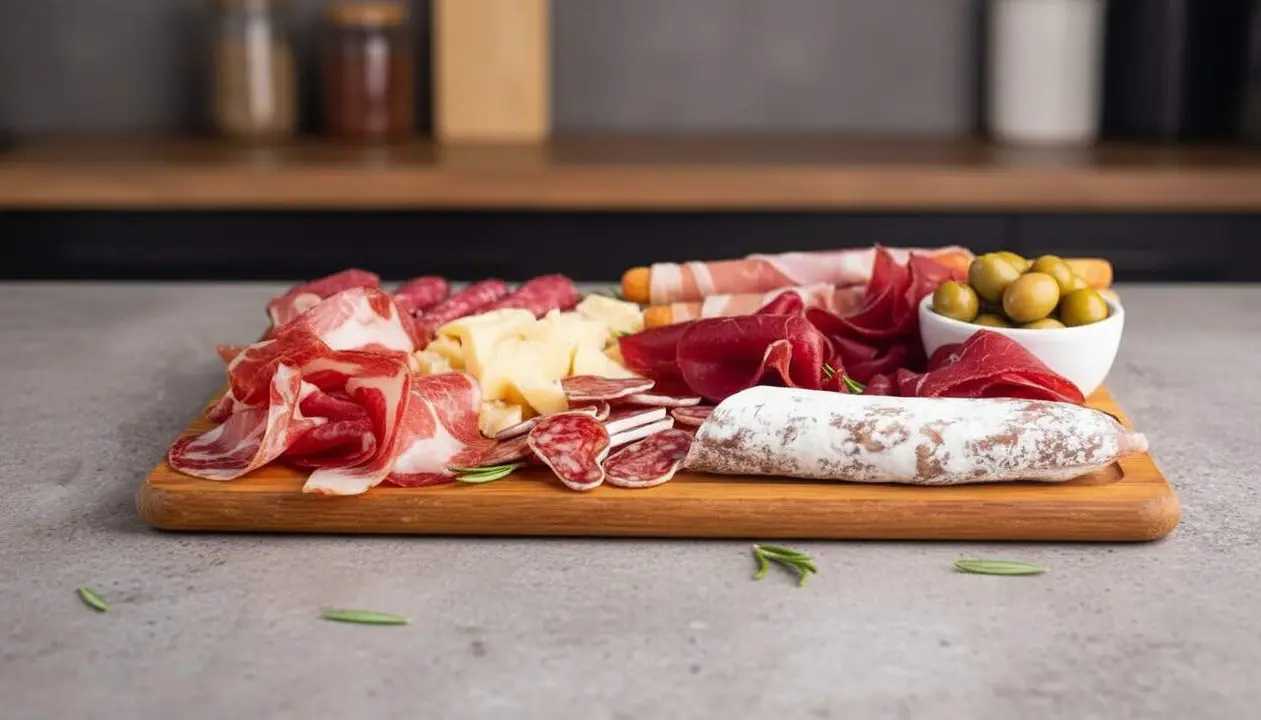

For more than forty years, many of the rules governing basic foods such as ham or bread had not been reviewed. This lack of changes has left behind a food reality that is much more diverse and demanding.
With the new Royal Decree 142/2026, published on February 25 and in force since March 1, about 12 technical regulations have been modified, updating the quality and controls of these foods.
The changes, in fact, affect the shopping basket of any Spanish household, with important innovations that open a debate about what we understand by quality.
Revolution in cured ham and shoulder
The old regulation required individual marking for each piece of cured ham and shoulder indicating the week and year of entry into brine to ensure traceability.
But there was a problem: when the product was deboned or cut into portions, this marking disappeared. Now, the regulation allows labels of processed products to contain a batch that can trace the origin of the whole piece.
Innovations in labeling
Another novelty is the regulation of the mentions "natural" and "artisan production" in meat derivatives.
To label a product as natural, additives, modified organisms, or starches may not be used. On the other hand, artisan production requires that the process be directed by a master artisan with experience, prioritizing the human factor over the mechanical.
Control and transparency in the sector
These measures respond to the need to give more confidence to the consumer and avoid misleading labeling, especially in products with as much tradition and demand as ham.
As an expert in meat quality expressed last March, "traceability is key to maintaining consumer trust in such a sensitive sector".
Gluten-free bread: now it really is bread
Until now, breads made with gluten-free flours could not legally be called "bread" because the regulation only contemplated conventional wheat ingredients.
This situation left out a very important part of the market: bread for celiacs.
Authorized ingredients and expanded denomination
With the reform, the definition is expanded to include gluten-free breads, authorizing the use of starches and vegetable fibers as main components.
Thus, gluten-free bread becomes recognized as such, something the celiac sector has been claiming for years.
A step toward food inclusion
A representative of the celiac association stated that "legally recognizing these breads is a great advance for inclusion and food safety".
This change also encourages innovation in specialized products without losing the essence of bread.
Cookies, olives, and vinegar: more transparency and flexibility
Cookies without old limits
The 1982 regulation established a maximum ash limit in cookies, which does not take into account the current incorporation of ingredients such as whole flours, fibers, and nuts that raise this parameter.
The new regulation removes this limit, maintaining only humidity control so as not to harm innovation or the quality perceived by the consumer.
Olives with clear labeling
Stuffed olives, usually with pastes inside, will now have to clearly indicate on the label that the filling is a paste detailing all its ingredients.
This does not change the main commercial denomination (e.g., "anchovy"), but it does bring transparency to the consumer.
Vinegar and designation of origin
The allowed acidity level in vinegars with Protected Designation of Origin or Protected Geographical Indication is expanded from ±0.2° to ±0.5°.
In addition, the use of concentrated must and "dead" grape must in these vinegars is authorized, recognizing traditional practices.
These measures facilitate better adaptation to productive reality without losing the essence of quality products.
Other products updating regulations
Horchata without added sugars
The decree allows the production of tiger nut horchata without added sugars, but prohibits the use of sweeteners and colorants.
Changes in ciders and sausages
The methanol limit in ice ciders is increased and "turkey ham" is incorporated as a legal denomination after 25 years on the market.
Also, the denomination "Bologna mortadella" is withdrawn to avoid conflicts with the European PDO.
Rules on edible fats and fatty preparations are also updated.
Products already marketed before March 1 may be sold until stocks run out, with a limit of twelve months.
The reality is that this reform represents a big step in adapting the regulations to the current diversity of foods and ensuring that consumers have clear and reliable information.
In this context, the official protection of other sectors also highlights the constant need to adapt rules to reality.
On the other hand, buying from the official store is no longer just a matter of trust but also of complying with current regulations.