New regulation requires paying an extra 10 cents for cans and bottles
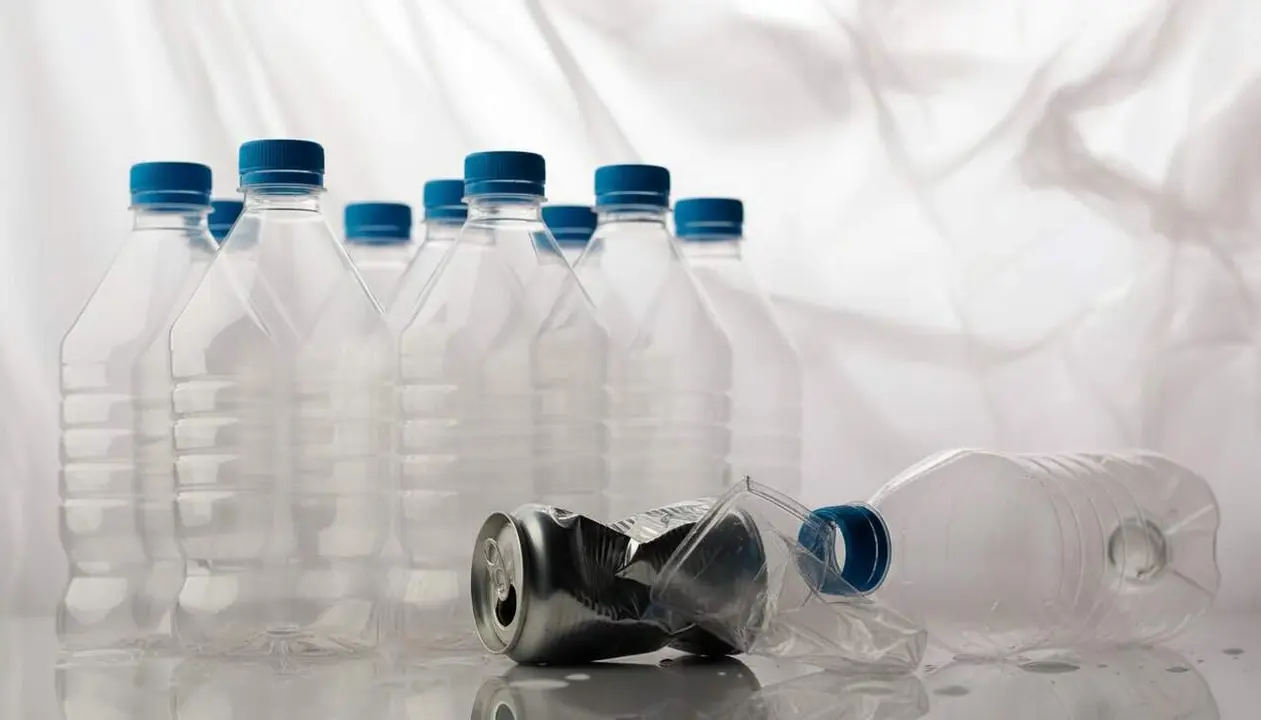

When you go to the bar or supermarket, you may not have noticed the small extra charge that will soon appear on your bill for each can or bottle. A new measure that shakes up the way we consume packaged drinks is about to arrive and will not go unnoticed.
The system promises to be fair but generates debate: 10 cents more for each container, but with the promise that you can recover it. However, the container must be returned to the point of purchase or a special machine. A change that will involve both bars and supermarkets, focused on meeting very ambitious European targets.
The new regulation and the deposit, return, and refund system
🔄 System: 10-cent deposit per container
♻️ Goal: collect 90% of waste
🏪 Affects: bars, restaurants, shops, and supermarkets
Environmental and legal objective
The Government establishes this measure to comply with a European directive that requires Spain to collect at least 70% of packaging waste. Currently, only 41.3% is recycled, according to data from the Ministry for Ecological Transition and the Demographic Challenge in 2023, far from the target.
Therefore, with this extra fee, the aim is to encourage the return of containers and reduce litter that ends up in the environment. A system that already works in countries such as Germany or Denmark and is now being introduced here.
How the return system works
The system is not an economic penalty but a deposit that is paid and reclaimed. Each can or bottle will have an additional cost of 10 cents, which will be refunded when the consumer returns the container at the same point of sale or another authorized one.
Stores will have to accept these containers even if they were not purchased there, and automatic machines will be placed in strategic locations to facilitate the process. With a simple barcode scan, the machine will credit the corresponding amount.
Changes in establishments: end of single-dose sauces
New European Regulation 2025/40
Although the most visible measure will be the deposit system, the new regulation will also prohibit, as of August 12, bars and restaurants from supplying sauces in single-dose packets. Mayonnaise, ketchup, and mustard will only be served in refillable dispensers or oil cruets to reduce plastic and waste.
This measure will be a challenge for many businesses that will have to quickly adapt to the new regulation, as well as prepare for the extra charge on packaged drinks.
Impact and adaptation of establishments
Sector professionals are already planning how to incorporate the deposit system and the removal of single doses, aiming not to lose customers or significantly increase final prices. Bars will have to manage this change within three months, a short but necessary timeframe for the transition.
The implementation of this regulation coincides with other environmental initiatives aimed at reducing the use of single-use plastics and increasing recycling, presenting a new challenge to the gastronomic and commercial culture.
Compensation and expectations of the new regulation
Expected benefits and recycling rates
The goal is clear: to reach 90% container collection in the coming years. This increase will represent a qualitative leap from the current 41.3% and will help meet European requirements by 2026.
The benefits are not only environmental: the deposit system promotes individual recycling and reduces waste in the environment, strengthening citizen and business responsibility.
Challenges and opinions from the sector
Despite good intentions, some merchants and restaurateurs express concern about logistics and the impact on consumer prices. However, sector sources trust that the measure will be well accepted if clearly explained and easily implemented.
For many, this change is the missing step toward a more circular and sustainable economy, although it involves a significant adjustment in daily management of establishments.
It should be remembered that for more information about legislative changes, you can consult the New regulation and its specific details.
At the same time, if you are interested in how other sectors are adapting, you can see how the new construction affects other areas.
The reality is that the new regulation on packaged drinks and sauces will mark a before and after in the way we consume and manage waste, with an impact that will be clearly visible on your next visit to the bar or supermarket.