Morocco, fourth unexpected supplier of olive oil to Spain in one year

Morocco has traditionally been a secondary player in the global olive oil market, especially compared to the Spanish powerhouse that dominates production and export. However, the 2025/2026 campaign marked a turning point that is rapidly changing this perception.
According to recent data from the Ministry of Economy, Commerce, and Enterprise through DataComex, in the first two months of 2026, Spanish imports of Moroccan olive oil rose from 55.21 tons to nearly 3,000 tons. This places Morocco as Spain’s fourth largest supplier, surpassing positions that until recently seemed unshakable.
Morocco and its new era in olive oil
💶 Competitive price: much lower compared to the European average
🕐 Campaign: October-February 2025/2026
🍽️ Specialty: virgin olive oil
Spectacular increase in production
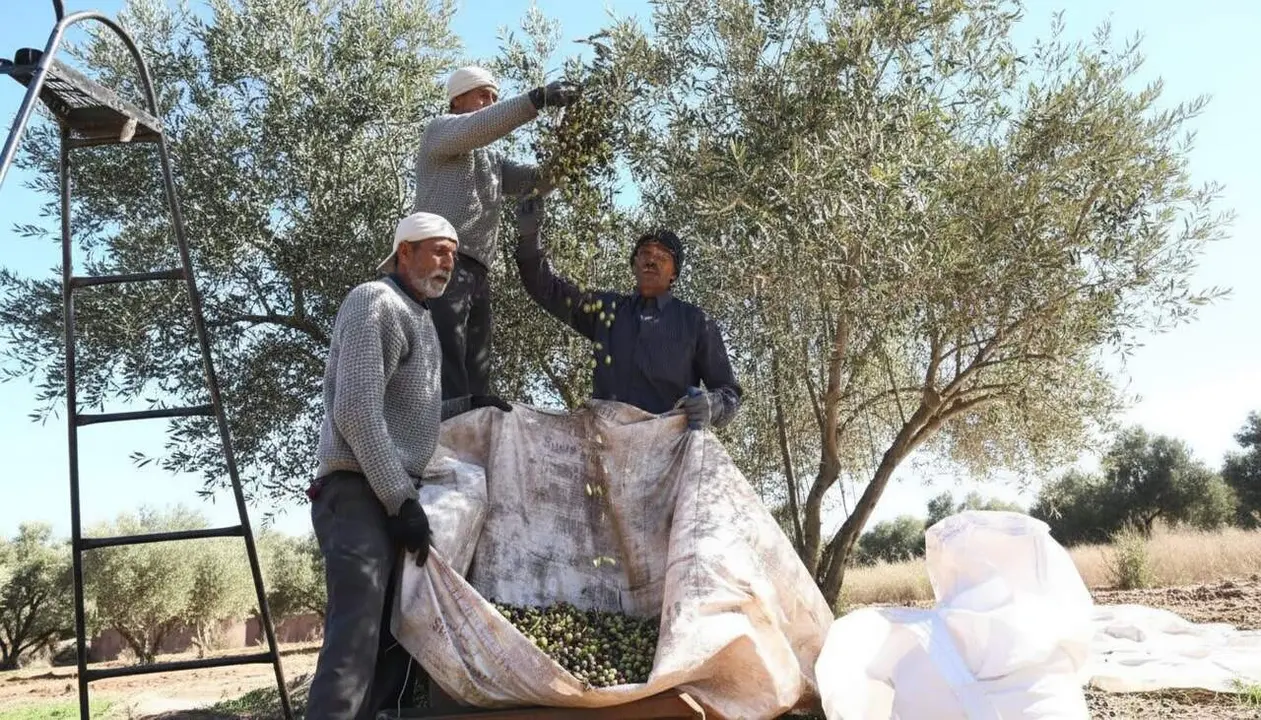
The country led by Mohamed VI has managed to double its olive production compared to the previous campaign, rising from 90,000 to 200,000 tons. The secret? A harvest increase to 2 million tons of olives, almost double the previous period, which has allowed for an export surplus of 60,000 tons.
This leap is due to the progressive modernization of farms and olive mills, which until recently depended on rather obsolete equipment. The current update process is improving quality and efficiency, and although they have not yet reached the level of Spanish oils, their extremely competitive price facilitates their penetration into the European market and especially Spain.
Morocco’s role in the Spanish market
During the 2025/2026 campaign, Spain imported 39,624 tons of olive oil, with Morocco ranking fourth behind Tunisia, Portugal, and Italy. Morocco's market share rose from 2.01% to 7.48% in just one year, nearly tripling its presence.
Although these figures do not directly threaten Spanish supremacy, it remains a significant evolution that the national oil sectors are watching closely. The competition comes hand in hand with a price that Spain cannot match, the result of special trade conditions the European Union offers to the Maghreb country.
Factors driving Moroccan growth
Trade advantages and market strategies
Morocco takes advantage of the trade preference offered to it by the European Union, which allows it to sell at prices far below European producers. This fact generates tensions and concerns among Spanish farmers, who see how this price collapse blurs their traditional competition.
According to a representative of the Moroccan Interprofessional Olive Federation (Interprolive), this strategy is key to consolidating itself as a reference in the international market and continuing its expansion process within the EU.
Modernization and evolving quality
Although Morocco has not yet reached Spanish quality standards, investment in modernizing cultivation and production is bearing fruit. The update of machinery and extraction techniques makes Moroccan oil increasingly competitive, especially in terms of yield and price.
This transformation announces a future where Morocco will not only be a quantitatively significant producer but will also aspire to improve the quality and reputation of its olive oil in high-end markets.
Repercussions and future prospects
Impact on the Spanish sector
Spanish olive oil producers watch with some concern this new rival that is growing rapidly. Although national production remains much higher and of globally recognized quality, the competition in prices and the new presence of Morocco in the Spanish market cannot be ignored.
An expert in oils from the DO Siurana comments that the situation forces a rethinking of strategies and never taking anything for granted in a globalized and changing market.
An opportunity for collaboration
Despite the competition, the increase of Morocco’s weight in the olive sector opens the door to new commercial opportunities and technological exchanges. Morocco and Spain could find common ground to grow together and face global challenges such as climate change or agricultural sustainability.
Likewise, the strengthening of ties with Morocco in various fields could also extend to the agri-food sector, boosting the exchange of knowledge and experiences.
The reality is that Morocco is no longer an anecdotal presence on the global olive oil map, but a player that has arrived to stay and transform the rules of the game.