The DGT changes the rules: driver's license for 17-year-old youths
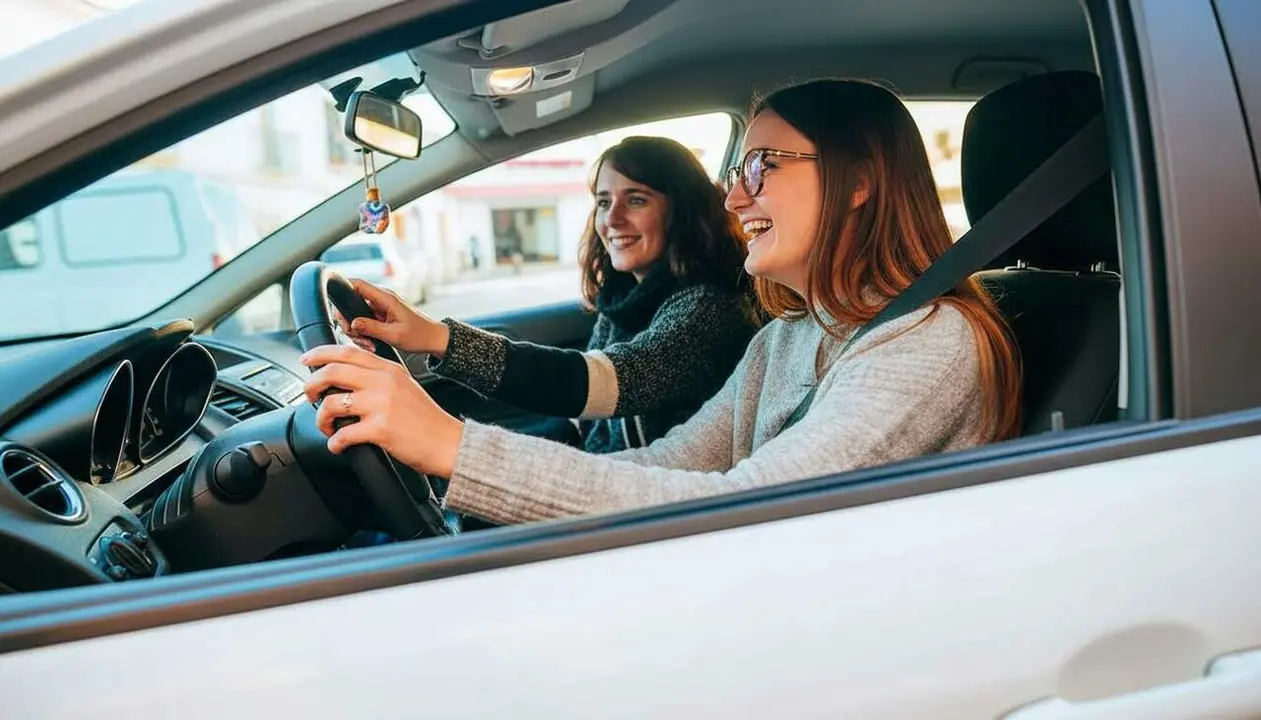

The DGT is preparing a change that breaks with tradition: allowing young people to obtain the B license from the age of 17. But it is not a simple lowering of the age; the key lies in accompanied driving. Until they turn 18, the minor will only be able to drive accompanied by an experienced driver.
The system, which has been successfully implemented in other countries such as Germany, aims for young people to gain experience in real traffic situations with a reference figure in the co-driver seat. It is not a free pass, but supervised training to avoid the mistakes that often end in fines or worse.
Requirements to obtain the license at 17 years old
Exams and conditions the same as for adults
Applicants will have to pass the same theoretical and practical exams as now, without any facilitation. The difference? The license will include code 98.02, which prohibits driving without an accompanying person before turning 18. No going out for a solo lap around the neighborhood at midnight.
Inspiration from the German model
The DGT has looked to the German model, where this formula has reduced accidents among novice drivers. Montserrat Pérez, deputy director of Training at the DGT, assures that this accompaniment improves confidence and safety in the first kilometers. The goal is for the new system to be implemented before November 26, 2028.
How accompanied driving works
Requirements for the accompanying driver
The accompanying driver must be at least 24 years old and have held a B license for more than five years. Additionally, they cannot have been deprived of the right to drive in the last five years. And obviously, they cannot be anywhere near reckless with alcohol or drugs: they must be a role model.
Benefits for depopulated areas and students
The DGT emphasizes that accompanied driving will be crucial for young people living in areas with little public transport coverage. It will also help university students who want to move around with their own vehicle. That said, neither the training model nor the contents of official exams are touched, so no lowering of standards.
A leap towards European road safety
Standardization and reduction of accident rates
The European Union wants to standardize licenses to reduce accident rates among novice drivers. The presence of an experienced accompanying driver allows correcting bad habits from day one, preventing young drivers from making common mistakes that end in fines or accidents.
Implementation and working group in Spain
Spain has already created a working group to define the final details. Although the legal deadline is 2028, the DGT wants to get ahead to respond to social demand. This change represents a profound transformation of the B license, putting minors at the center of new mobility both in cities and on roads.
The truth is that this change from the DGT not only lowers ages but also launches a system that may prevent many young people from making the mistakes of their first months behind the wheel. But, as always, the key lies in the control and responsibility of the accompanying person. If the rule is followed, safety could improve. If not, then it will remain just another attempt.