Why a slightly undercooked potato omelette is the perfect setting for bacteria
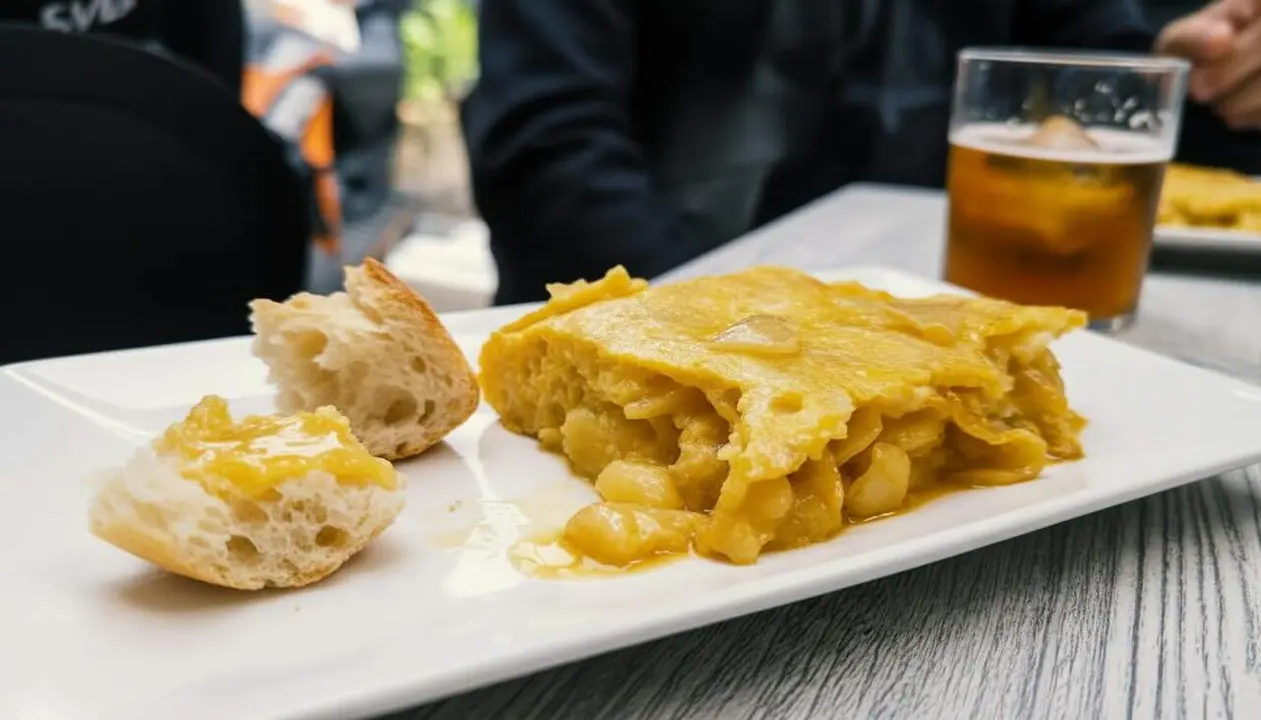

Around the Spanish omelette, one of Spain’s most emblematic dishes, debates arise that seem eternal and passionate. Some prefer it well done, while others want it almost liquid, but behind this gastronomic issue hides a reality that many overlook: food safety.
Experts in food technology agree that undercooked Spanish omelette creates an ideal environment for the proliferation of bacteria. But what are the real risks? And how does this affect consumption, both in restaurants and at home?
Rules to guarantee safety in the Spanish omelette
Royal Decree 1021/2022 establishes that, to prepare omelettes in public spaces, the center of the product must reach a minimum temperature of 70 degrees for two seconds or 63 degrees maintained for twenty seconds. If this is not met, the regulation requires using substitutes such as huevina, a pasteurized product.
Temperature control and risks in professional kitchens
According to Mario Sánchez, food technologist, undercooked omelette is a breeding ground for bacteria like Salmonella. The complexity lies in the fact that heat does not reach uniformly, leaving areas where bacteria can survive and multiply rapidly.
Regulations as a guarantee for the consumer
Professional controls ensure that the served omelette complies with these parameters to avoid serious intoxications. Thus, the dish, despite its harmless appearance, becomes a matter of public health in collective spaces.
Domestic risk: when the omelette turns into a danger
At home, the situation is less controlled. Industrial farm hens are vaccinated against Salmonella, but those for personal consumption are not. This difference increases the risk when the omelette is undercooked.
Homemade pizza and heat variability
Home cooking does not guarantee that the heat reaches all points of the omelette, creating a perfect environment for bacteria. Beatriz Robles, an expert in food technology, recommends consuming the omelette immediately if it is left undercooked.
Risk groups and safety advice
Pharmacist Boticaria García warns: pregnant women and children should avoid undercooked omelette due to the high risk of intoxication. In these cases, caution is never too much.
Perception and reality: Salmonella is not detectable by sight
Miguel Ángel Lurueña, PhD in Food Science and Technology, reminds us that the sensory characteristics of contaminated eggs do not differ from normal ones. Neither smell nor taste serve to detect the danger.
The false security of the senses
This explains why relying on smell or taste to determine if a product is in good condition is a risky practice. The best option is to ensure proper cooking.
The role of chefs and consumer responsibility
In restaurants, consumers must trust professionals who comply with regulations. At home, it is each person’s responsibility to ensure the omelette is well cooked, especially if vulnerable individuals are involved.
If you want to know more about this topic, you can also read why the undercooked omelette is an ideal refuge for bacteria and how it affects safe food consumption. Also, a study reveals that 69% of consumers eat expired foods guided by smell, a habit that can have serious consequences.
The Spanish omelette, as traditional as it is controversial for its texture, hides a risk that cannot be underestimated. Cooking carefully, respecting established temperatures, and consuming it quickly are keys to preventing this beloved dish from becoming a health problem. The reality is that, when we talk about food safety, the cooking point is not a whim, but a necessity.