
They analyze 280 waters: which brand escapes microplastics?
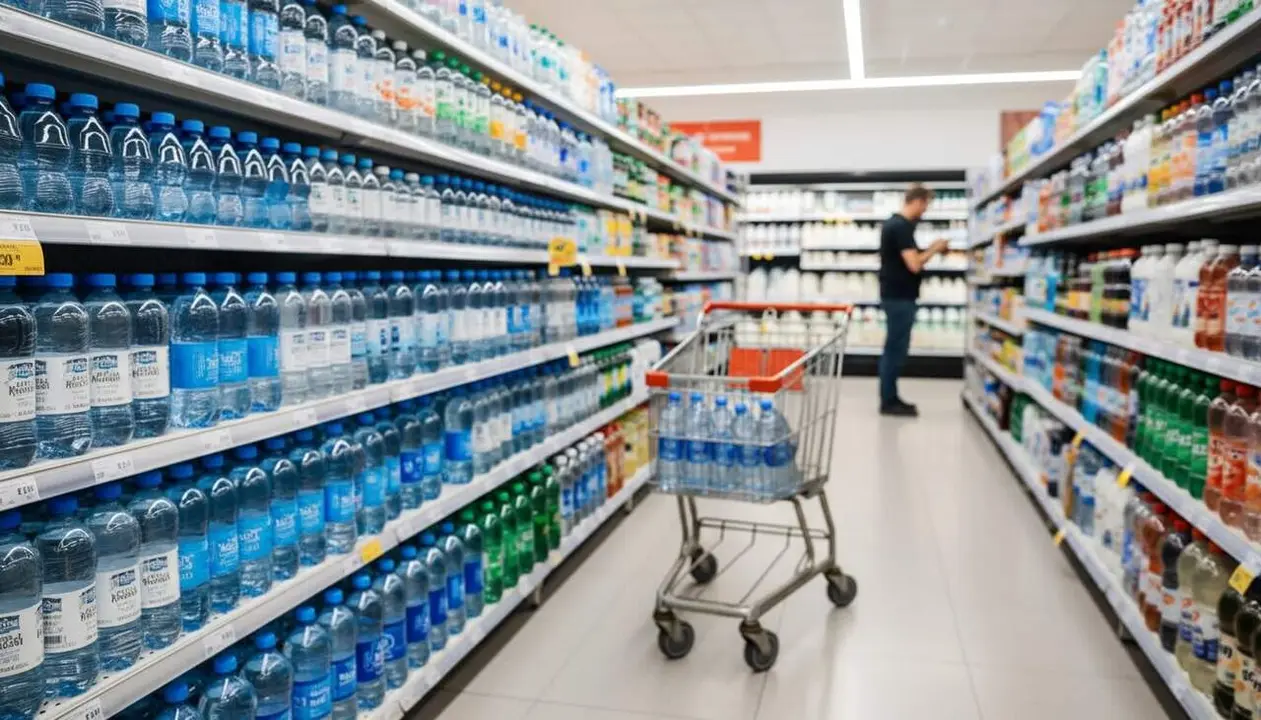

Buying bottled water has become an almost automatic practice for many. Perhaps due to taste, smell, or simply habit, the reality is that in Spain each person consumes more than 100 liters annually, a figure that places the country among the European leaders. But, what if we told you that inside those bottles there is an unwanted guest that almost no one sees?
A team of researchers has analyzed 280 samples of bottled water from different brands and the result is striking: only one brand escapes having microplastics and nanoplastics. And that’s not all, because what they find inside the bottles makes us rethink what it means to drink "pure water".
Analysis of microplastics in bottled water
Method and results of the study
A group of scientists from the Autonomous University of Barcelona, together with the CSIC and the Barcelona Institute for Global Health, examined nearly 300 samples of bottled water sold in Spain. Using advanced laser techniques, they detected an average of 240,000 plastic fragments per liter, with a large presence of nanoplastics, which are almost invisible and much more dangerous due to their ability to enter the human body.
Types of plastics and origin
The detected plastics are not all the same. They distinguish between microplastics, fragmented and larger, and nanoplastics, almost microscopic. The latter represent the majority. The main source is the PET plastic of the bottles, which can release particles when heated, handled, or squeezed, but residues of materials such as nylon from bottling filters also appear.
Impact and plastic additives in water
Presence of additives and health risks
All samples contained plastic additives, up to 28 different types, used to give flexibility or resistance to the material. Some of these compounds are already under suspicion for their possible impact on health, related to metabolic problems such as insulin resistance or the presence of microplastics in sensitive areas of the human body such as the arteries.
Annual accumulation and invisible danger
Although the amount of micro and nanoplastics per liter may seem low (359 nanograms), the daily consumption of 2 liters means that, in a year, around 260 micrograms accumulate inside the body, a figure that raises serious questions about the long-term effect.
Perception and choice of bottled water
The purity called into question
For years, bottled water has been perceived as a cleaner and more controlled option than tap water. But these studies shatter that idea: only one brand analyzed did not contain microplastics, and all contained additives. This fact invites a more skeptical look at what we drink and to consider alternatives.
Alternatives and recommendations
One option is to trust tap water, as long as it is safe, and complement it with appropriate filters. In fact, experts recommend drinking water under proper conditions to avoid risks. It is also key to pay attention to the quality of the water we consume daily.
The reality is that this information questions blind trust in bottled water, opening a necessary debate about the safety of the products we consume every day. The only brand that escapes microplastics is the exception, not the rule, and that should make us reflect on our consumption decisions.